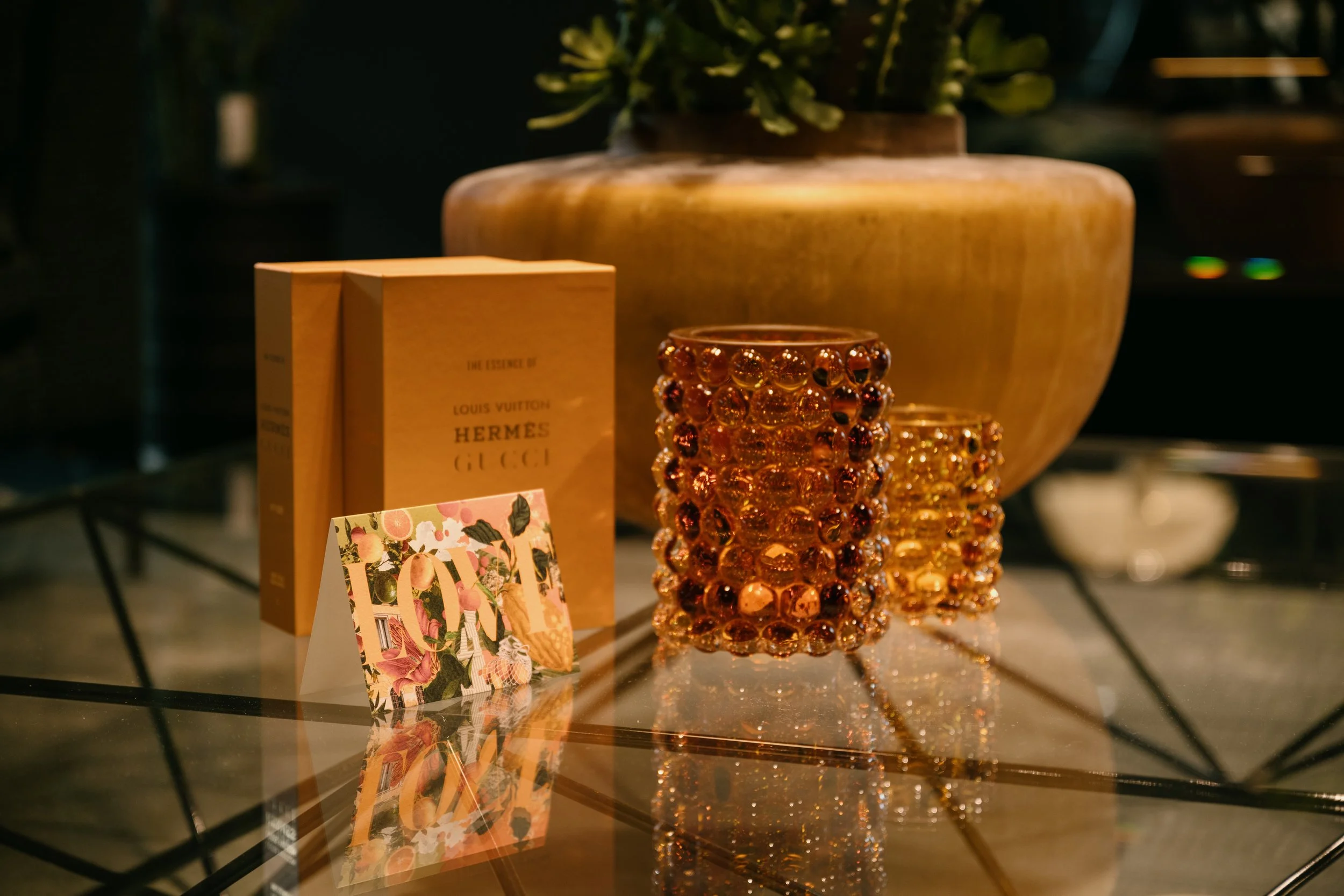
THE ETIQUETTE OF THANK-YOU CARDS
Gratitude transformed into tangible keepsakes; the etiquette of thank-you cards.
When the 13-year-old Ewart sent a thank-you note to his older sister, Miss Lydia Davies, in 1903, he expected it to arrive back home in Swansea, Wales, by the end of summer. The card could, of course, get lost on its trip across Wales, and his sister would not receive a tangible keepsake of his gratitude. She had recently sent him a missing item while he was vacationing in Fishguard. What he did not expect, however, was for his card to arrive at its designated address, 11 Cradock Street, in August 2024, over a century later. It is not clear how the card ended up circulating into the postal service system, but its delivery resulted in the reunification of the siblings’ descendants.
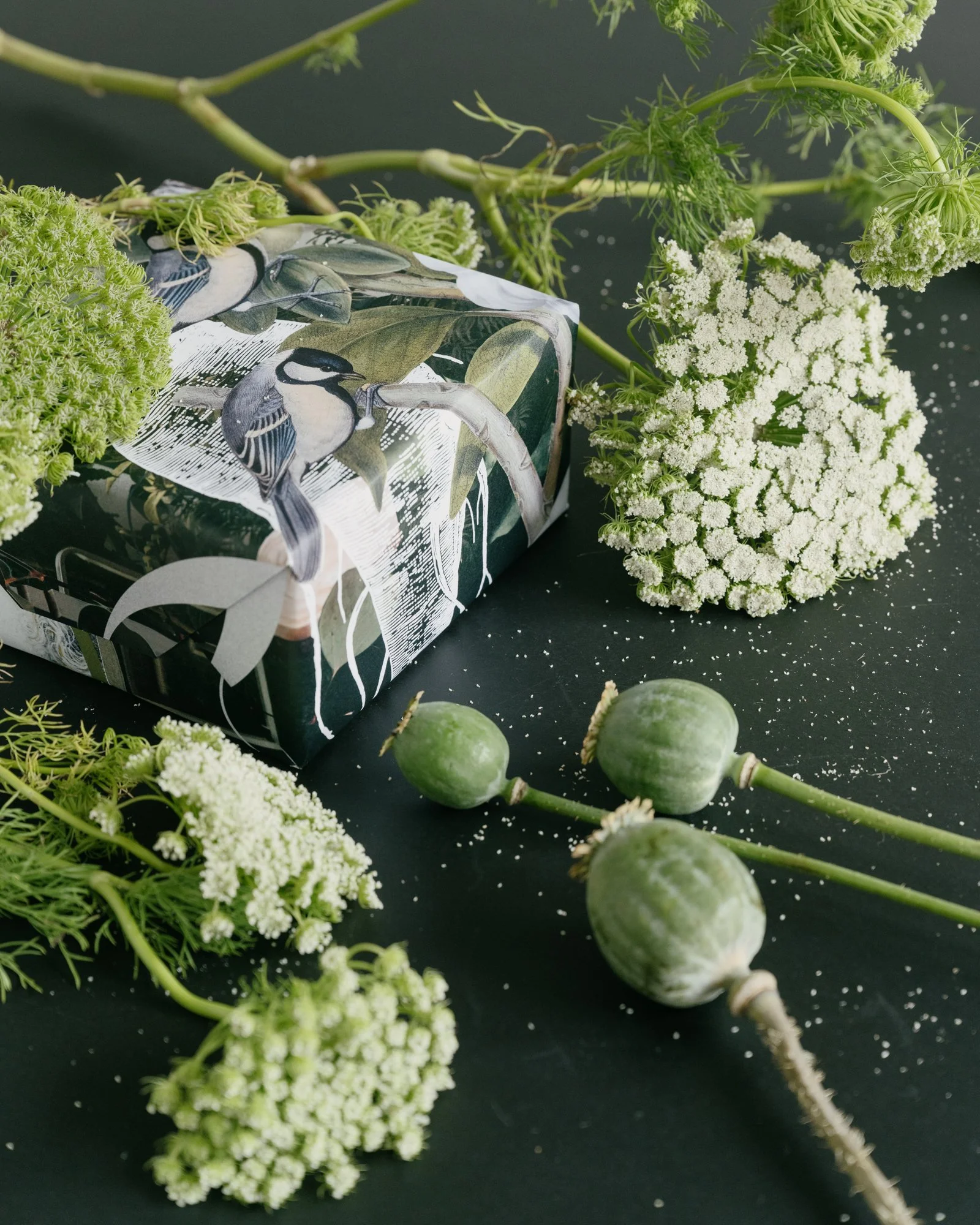
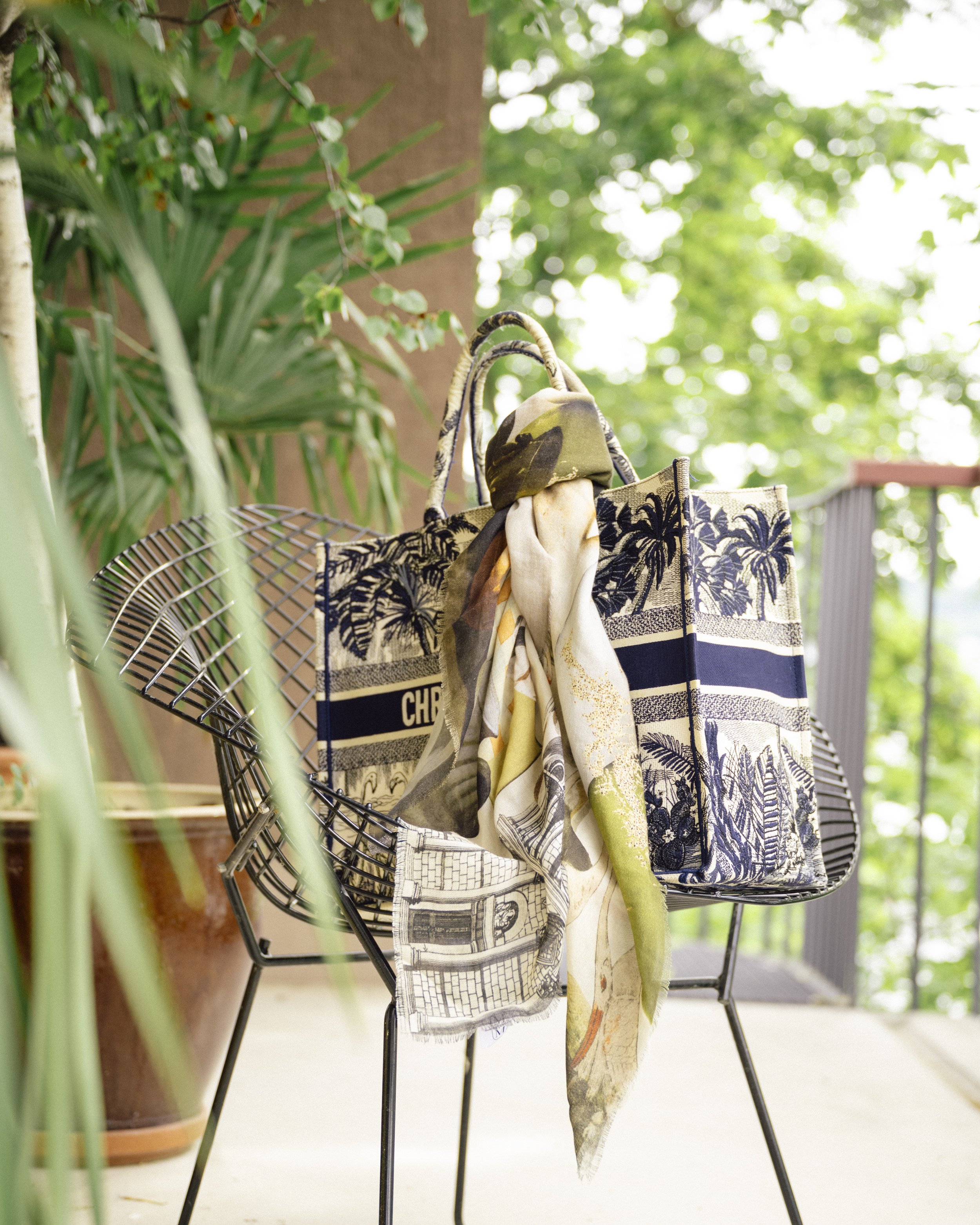
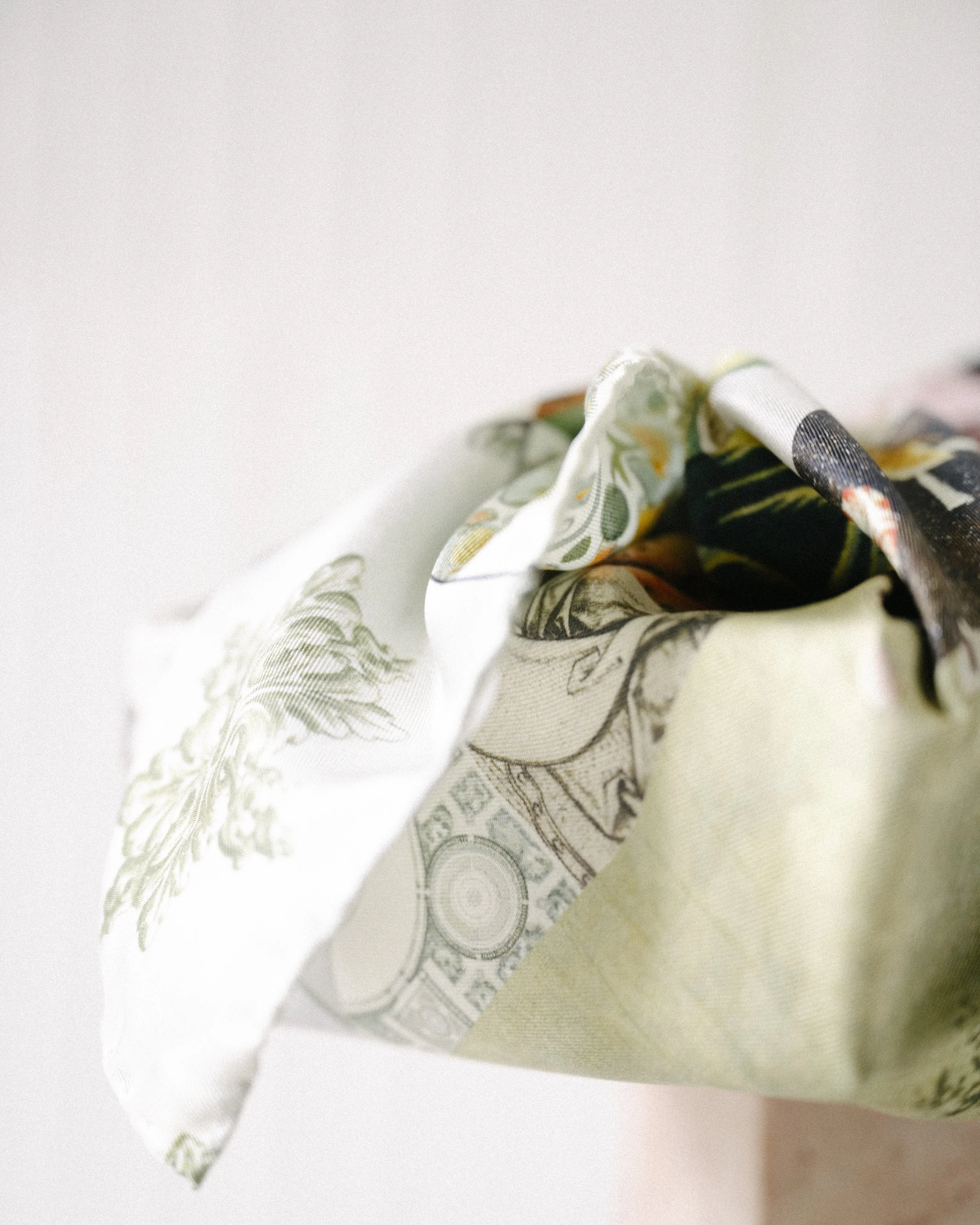
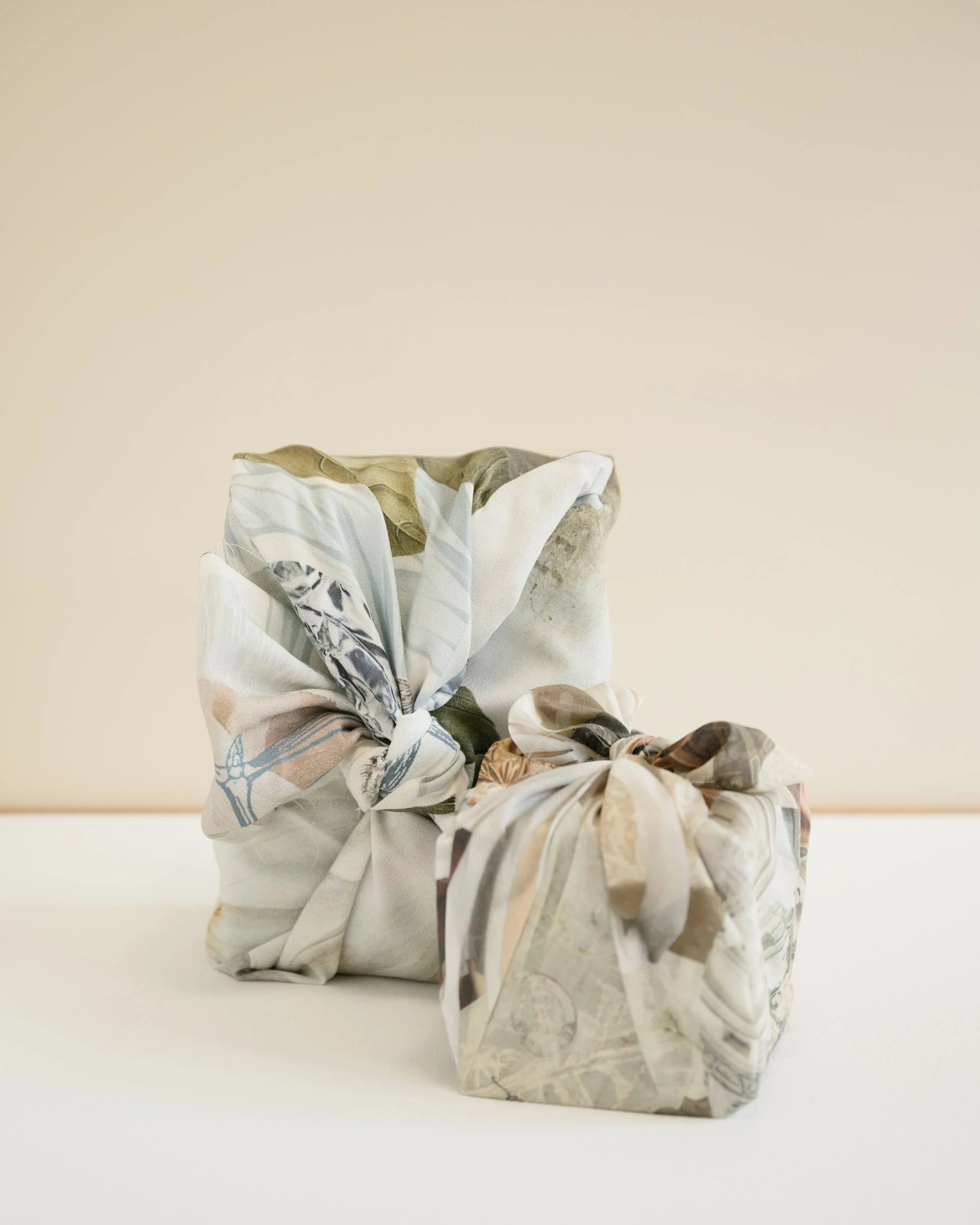
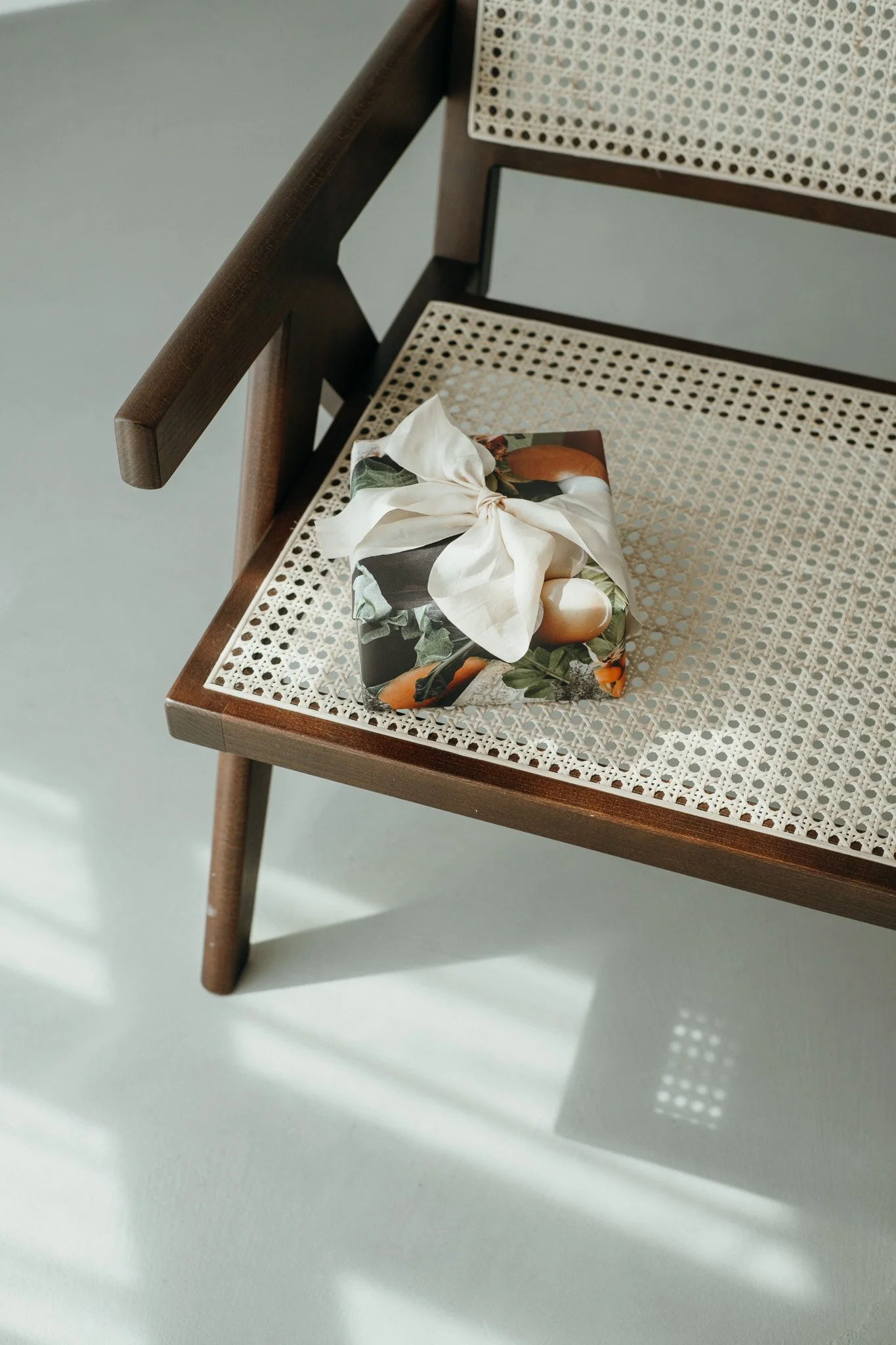
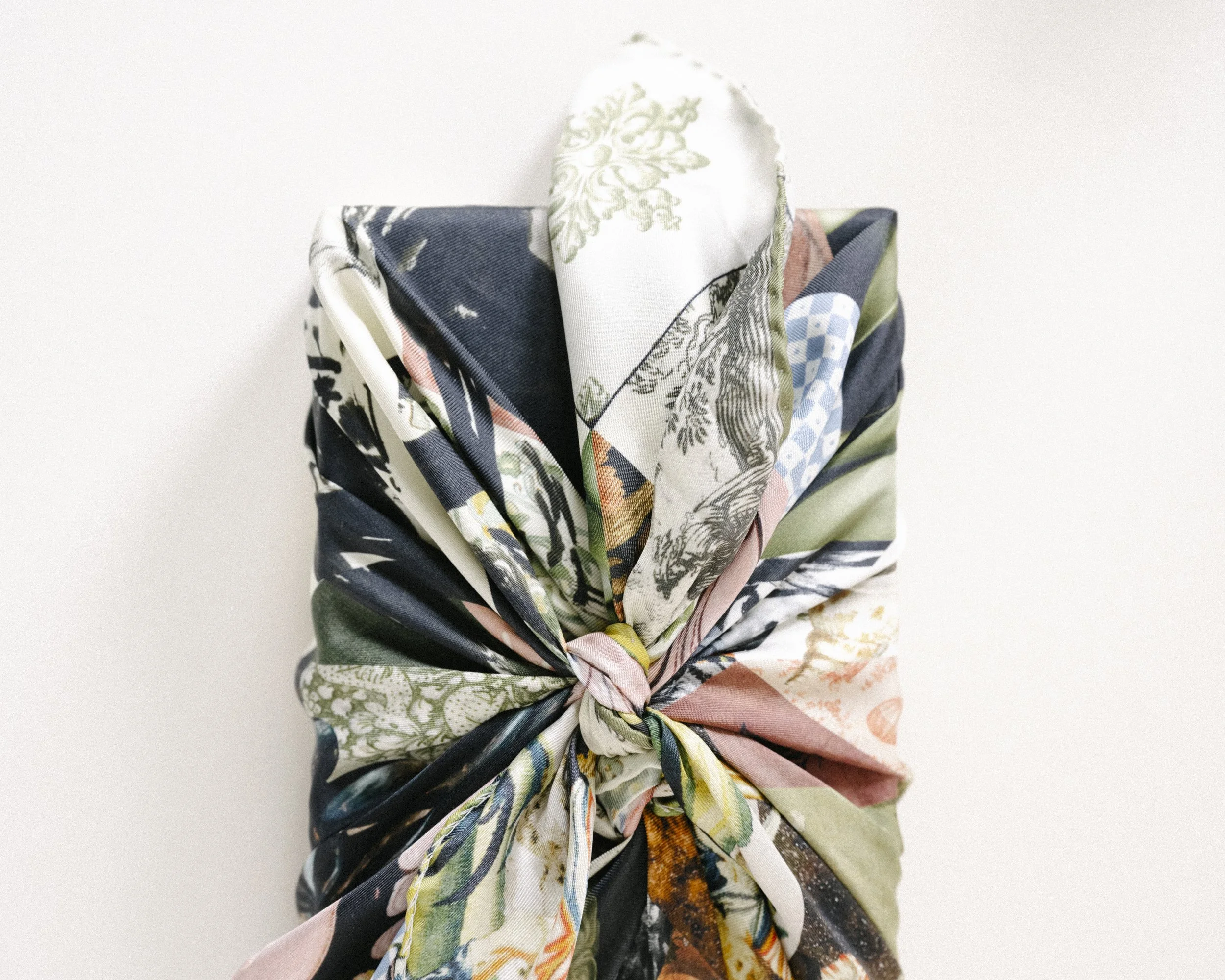
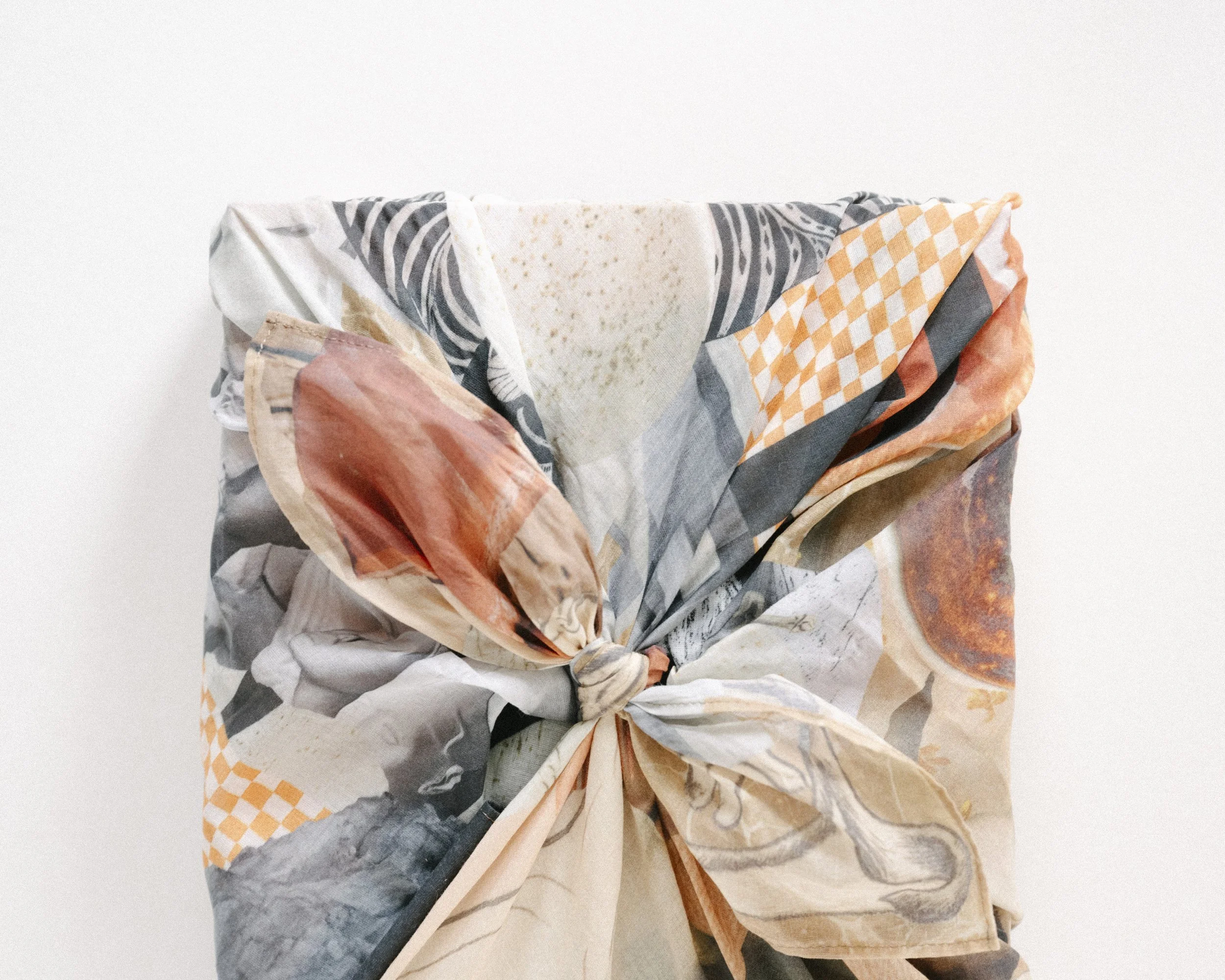
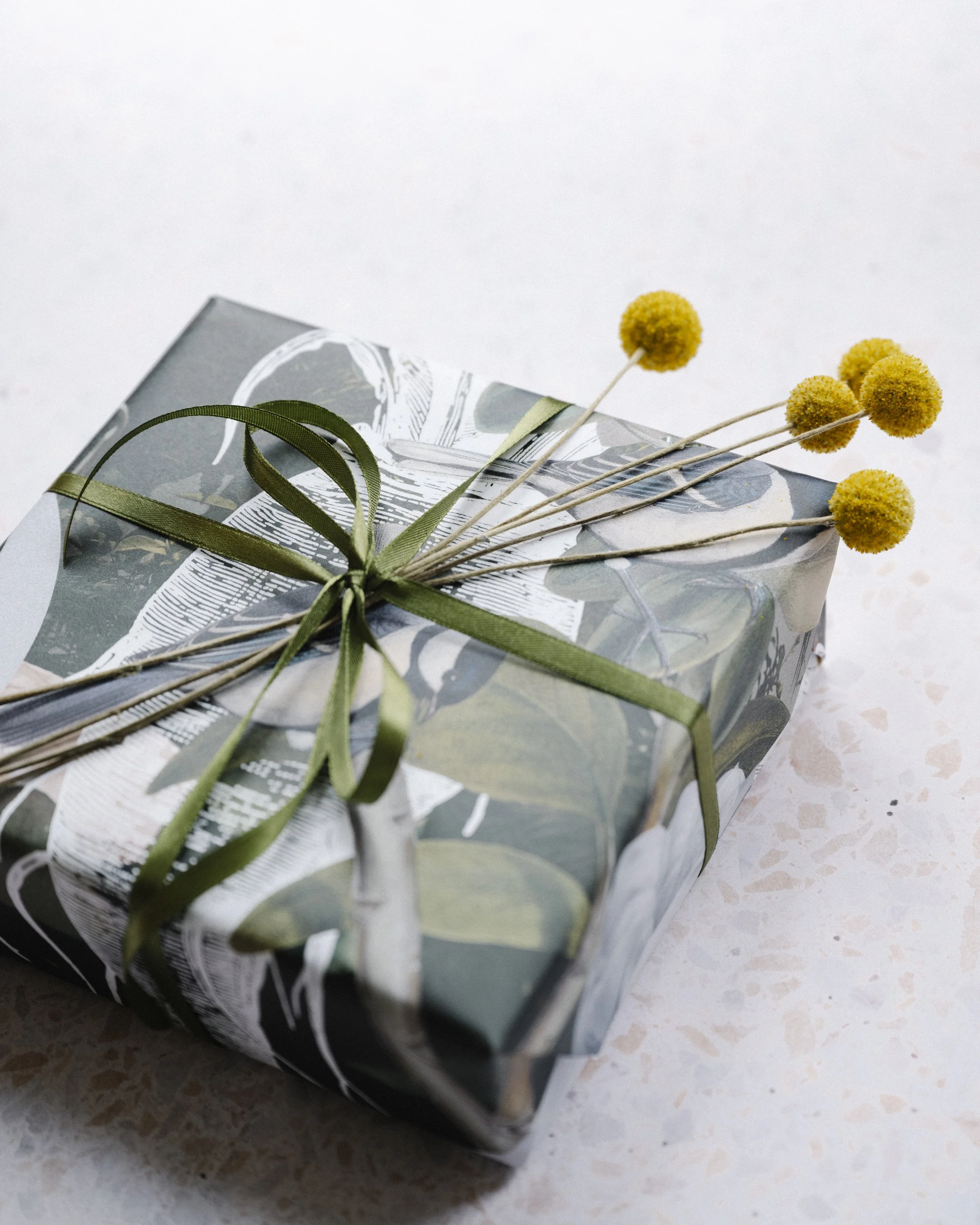
FABRIC WRAPS INSPIRED BY THE ART OF FUROSHIKI
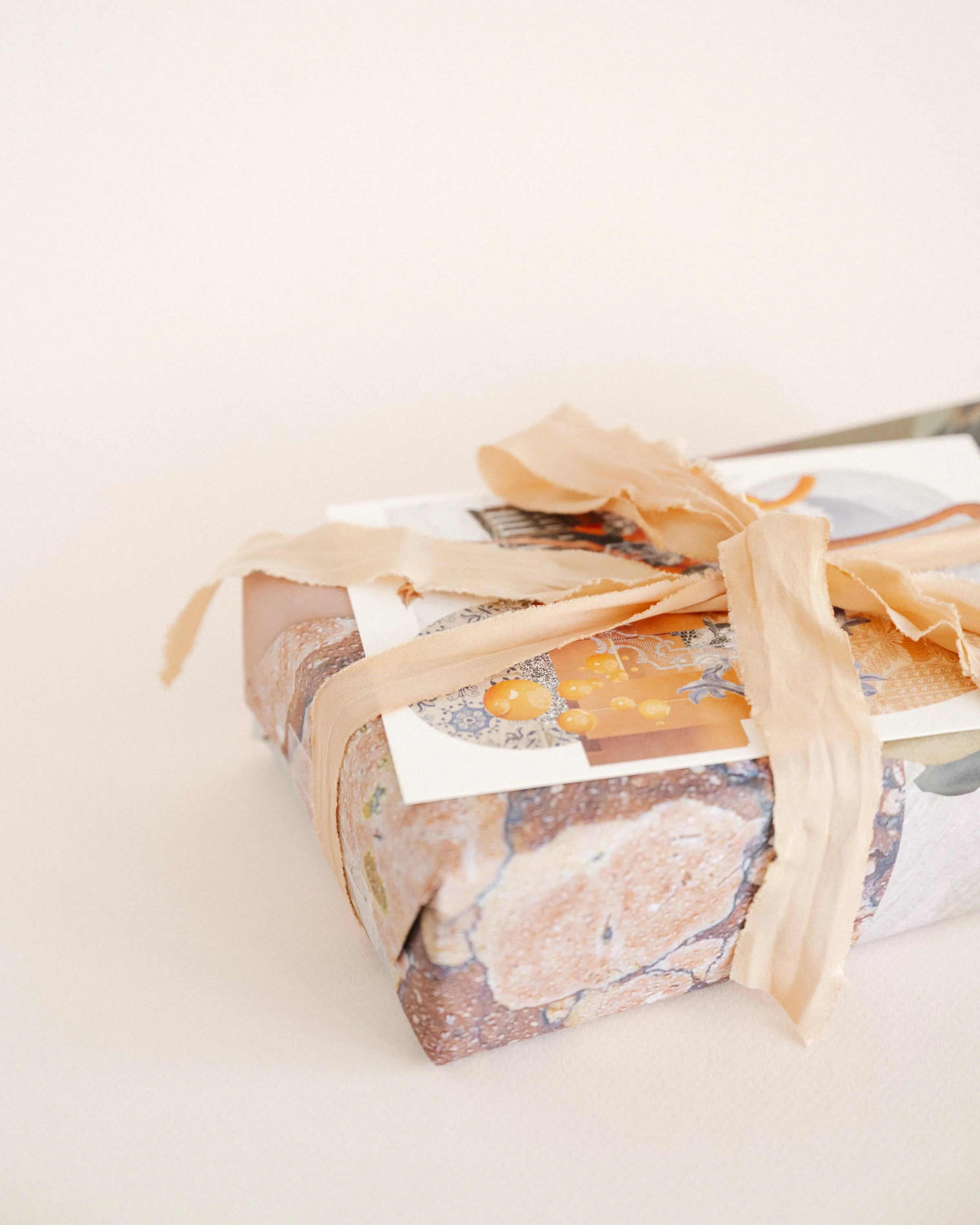
Fabric wraps transform the act of gifting into a ceremonial gesture. Their roots extend far beyond our modern times. They originate in the Japanese art of Furoshiki, a tradition passed from Buddhist monks to aristocrats, from aristocrats to the samurai, and eventually to all people.
THE DOS & DON’TS OF WRITING CARDS
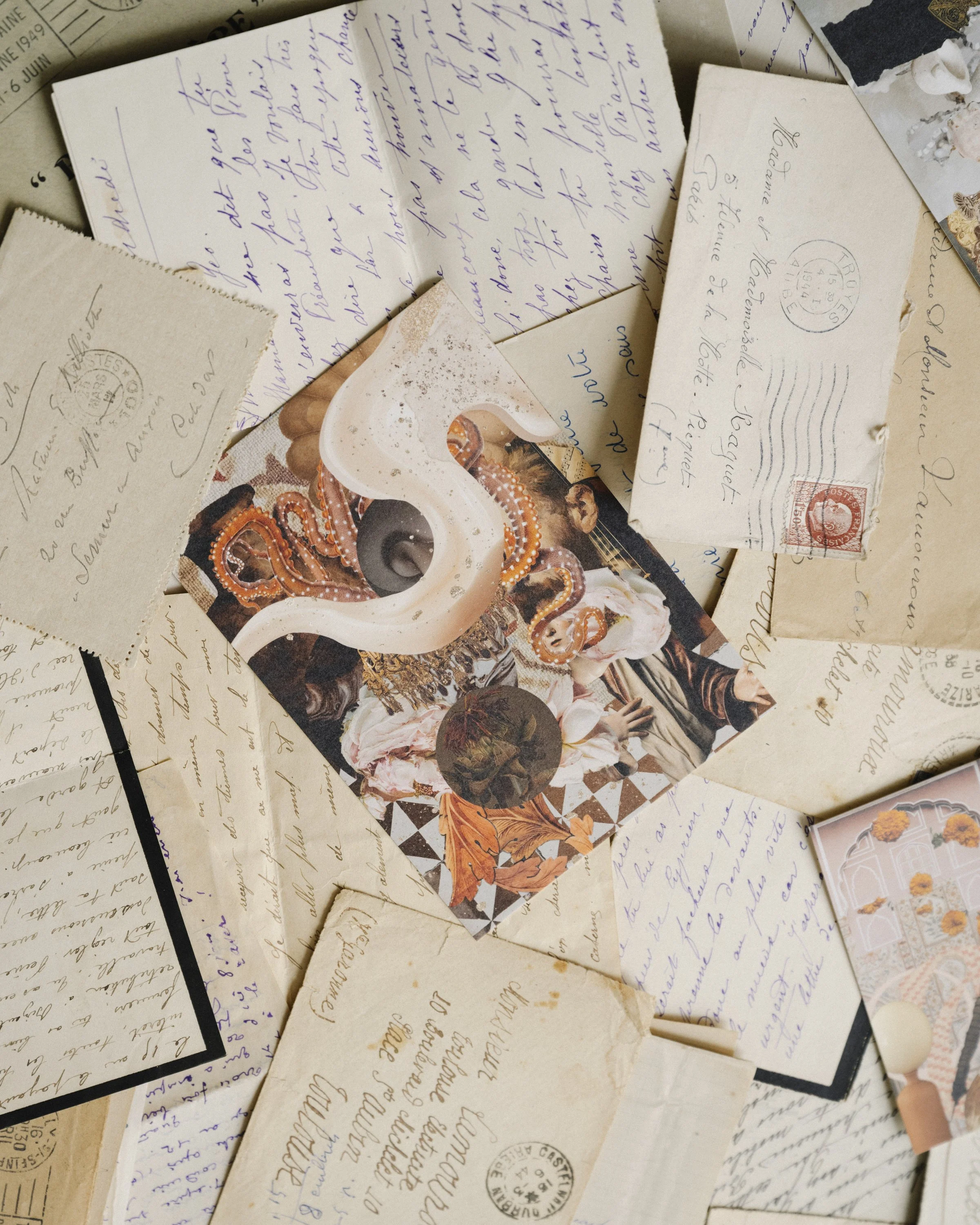
Writing a card is a form of social art.
Handwritten messages gave hope and courage to immigrants, soldiers, and prisoners. Love was expressed through written words on paper, kept and cherished for decades. And when an important milestone was reached, congratulations cards were sent to show support and care.