
WHY WE EXCHANGE GIFTS ON VALENTINE'S DAY
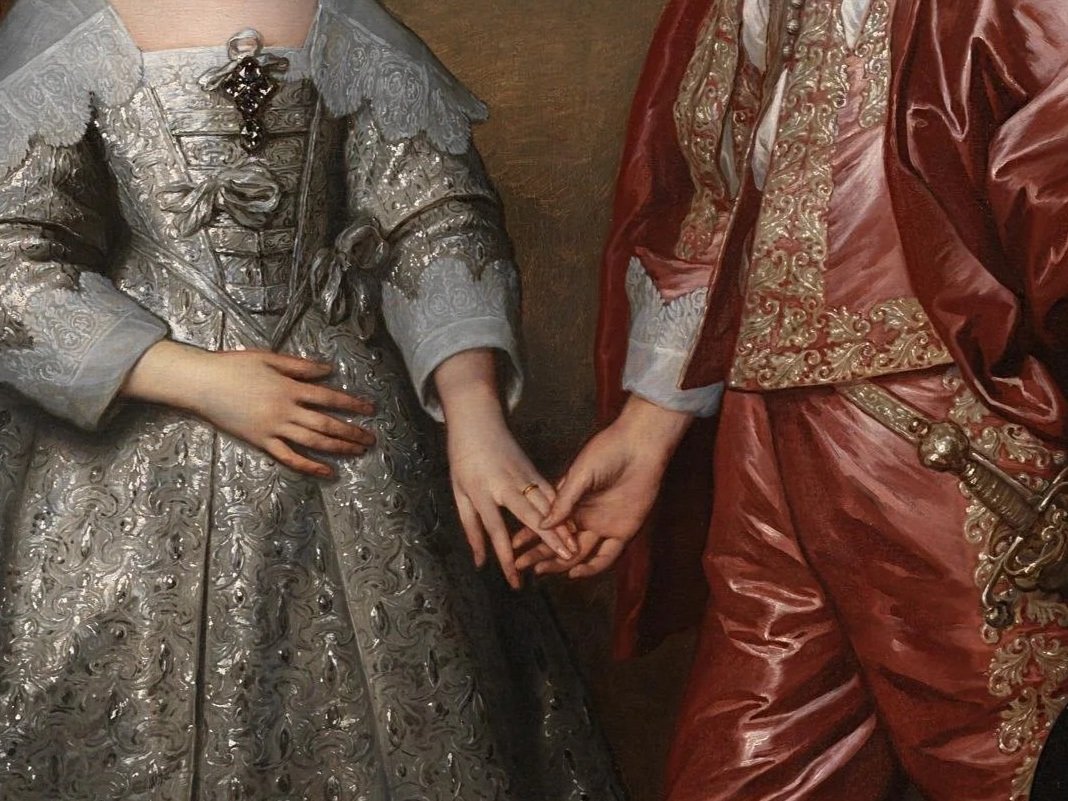
Understanding the need to express our love in tangible ways.
Every year on February 14, lines form in front of florist shops, with most people requesting a bouquet of red roses. Heart-shaped chocolates and baked goods fill the front windows of confectioneries, while dining at a restaurant without a prior reservation becomes an impossible task. This is the way Valentine’s Day is celebrated in most parts of the world, dating back to at least the 5th century AD. Gifting is an inherent part of this old tradition. But why is that? Why do we exchange gifts on Valentine’s Day?
The Origins
Valentine’s Day is a celebration of love. Love that may be romantic or platonic. Originally, it was a commemoration day of a Catholic Saint named Valentine and held no romantic connotations. It did, however, correspond chronologically with an ancient Roman festival that involved fertility rites. The “Lupercalia” occurred every year at the awakening of Spring in the middle of February, and, according to some sources, it often involved a matchmaking lottery system for people who were eager to marry. Although these rites were eventually banned, February 14 was still remembered as the day of love and marriage.
The Birth of Romance
It took, however, at least ten centuries until Valentine’s Day received the symbolic significance it has today. Before, romance had an end goal: to get married and have children. In Medieval Europe, a new concept of romance emerged. Courtly love was all about “loving nobly.” It inspired an entire literary genre, which involved knights performing heroic deeds and embarking on adventures to save a damsel in distress. Romantic love was no longer a means to an end; it was an aspiration and an end goal in itself. Within this new romantic framework, Valentine’s Day evolved to include small gestures, such as sending “valentines,” handwritten notes and tokens of affection, to loved ones.
Exchanging “Valentines”
In the 1800s, when postage and stamping became commercialized, Valentine’s Day was officially commemorated by sending decorative cards and small gifts to lovers and friends. Valentine’s lace-paper greeting cards were especially popular, largely thanks to the artist Esther Howland in the United States. Around 1868, heart-shaped chocolate boxes were introduced as Valentine’s Day gifts by the British company Cadbury. Most of these traditions continue to this day, along with the offering of red roses, a symbol of the goddess Venus.
Tokens of Affection
Gifting has always been a cross-cultural habit for maintaining, building, and defining social relationships. In his 1924 essay titled “The Gift,” French anthropologist Marcel Mauss marks the cycle of gift-giving based on three obligations: to give, to receive, and to reciprocate. Unlike a commercial transaction, which ends with a monetary payment, a gift creates an ongoing social bond and a sense of indebtedness. A never-ending cycle of reciprocation begins in this way. It is a habit that goes beyond consumerist habits and commercialization. Gifts are tokens of affection.
The act of gifting is especially crucial in romantic relationships, as it has been a mating ritual in not only humans, but also in animals. Male penguins have been known to propose to females by offering smooth pebbles, while bowerbirds offer colourful objects to attract mates. Types of spiders often wrap food in silk threads and gift them to their mating partners, while bonobos offer food to friends, lovers, and even strangers. These “nuptial gifts” are essential for reproduction and social bonding across the animal kingdom, proving that the act of gifting is not a human invention.
Why We Exchange Gifts on Valentine’s Day
In essence, exchanging gifts has been a courtship ritual as old as time; a strategy that goes beyond cultures and species. Valentine’s Day may not have initially been dedicated to courtship and love. It does, however, take place at the season of spring awakening, a time when the natural world is filled with mating rituals and romance. Ancient cultures would often celebrate this time period with fertility rites every February, making the later association with St. Valentine’s simply inevitable.
Presenting Gifts for St. Valentine’s
Gift-giving is an artform. It is often not about what we give but how we present the gift to the recipient. A single red rose wrapped in decorative paper, paired with a beautiful greeting card, may appear more thoughtful than a more expensive gift handed casually and completely unwrapped. Manuela Menzi Studio transforms gift presentation into tangible art, offering a wide range of decorative wrapping paper, greeting cards, and gifting accessories, all featuring original collage designs.