
THE DOS & DON’TS OF WRITING CARDS
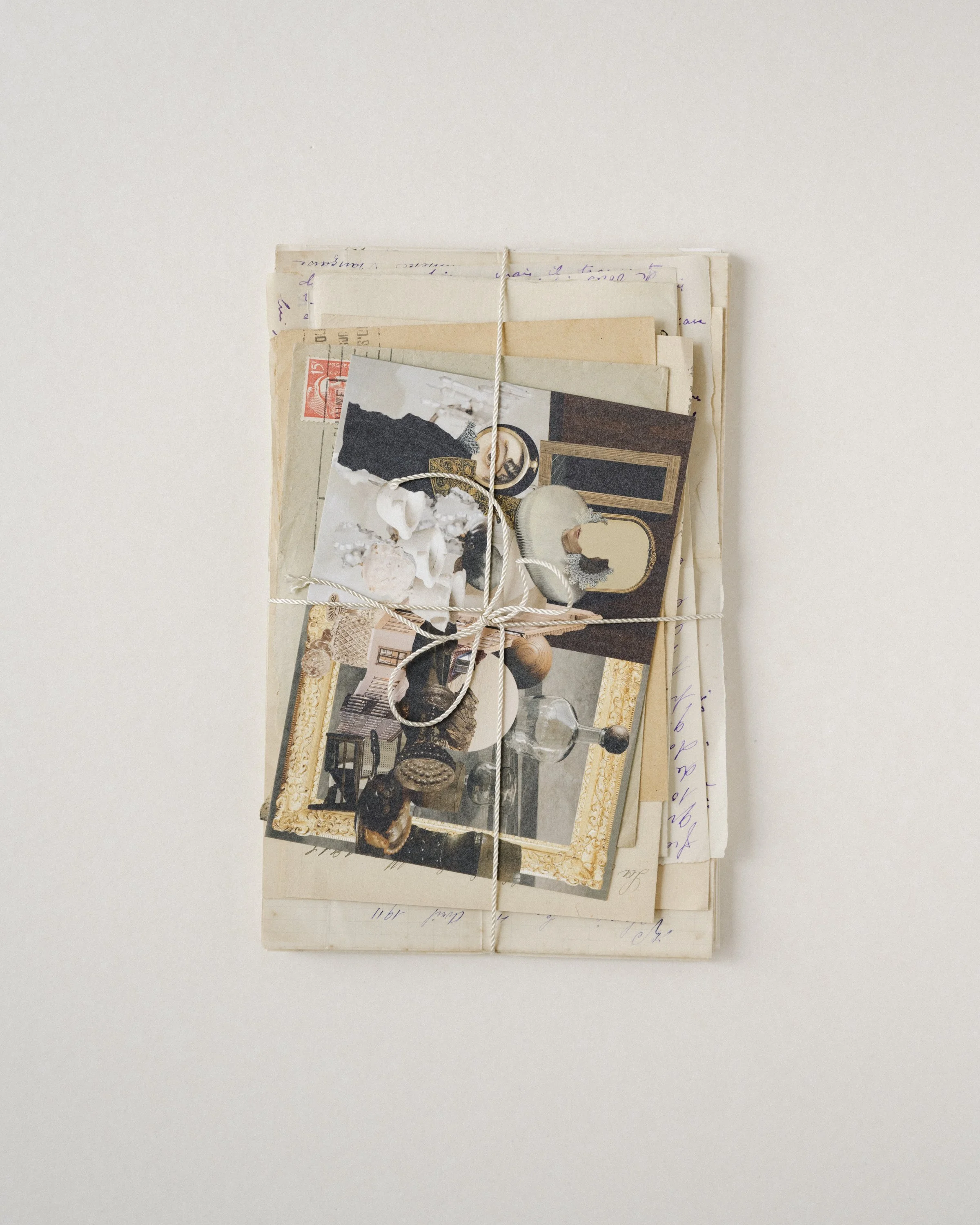
Writing a card is a form of social art.
Handwritten messages gave hope and courage to immigrants, soldiers, and prisoners. Love was expressed through written words on paper, kept and cherished for decades. And when an important milestone was reached, congratulations cards were sent to show support and care.
General Dos & Don’ts When Writing Cards
Handwritten cards and letters are still relevant, even in our Digital Age. They require attention and intention, time investment, and intimacy. They slow down communication and can be stored as tangible keepsakes. There is an etiquette for each occasion, and the overall tone should be aligned with the relationship with the recipient.
(1) Be creative. Do not feel that you have to repeat generic phrases to make your message clear. There are several ways to express gratitude, happiness, and any other emotion.
(2) Use unique wording. To stay genuine, avoid any vocabulary that you rarely use in your daily life. Instead, stay true to yourself by writing how you speak.
(3) Make it personal. Incorporate anecdotes, inside jokes, and experiences you shared together. When showing your appreciation, mention specific traits and characteristics the recipient possesses. Personal messages evoke stronger emotions and are more likely to be stored as keepsakes.
(4) Avoid clichés and negativity. Noone likes unsolicited advice, criticism, and clichés that are repeated again and again. As your goal is to share love and support, keep the message positive and light-hearted.
Thank You Cards Dos & Don’ts
(1) Send the card promptly, ideally within a few days. When receiving a gift, a kind gesture, or wishes, the other person is eager to see your positive reaction. The sooner you respond, the more your initial excitement will be reflected in the message on your card.
(2) Be specific about what you are thanking them for. Remember that clarity is one of the golden rules of letter writing. Mention the gift or action directly to avoid any misunderstandings. Sometimes, loved ones do not expect a dedicated thank-you card for a kind gesture; being specific helps them understand your intentions much faster.
(3) Express genuine appreciation. A disingenuous message can be spotted even when written down on a card. Focus on the things that truly excite you about the gesture, and explain how it has improved your life with specific examples.
(4) Avoid criticising their taste or the gift’s utility. You may think that the cliché “you didn’t have to” is polite; however, it may seem dismissive. Showing excitement about the gesture is much more appreciated and strengthens your bond with the card’s recipient. Mentioning that the gift is not useful or “your taste” creates unnecessary negativity.
Birthday Cards Dos & Don’ts
(1) Celebrate the person. Birthdays are special because they celebrate one specific person and their growth over a full year. Your message should focus on their personality, lessons, achievements, and what you truly appreciate about them.
(2) Keep the tone joyful. Such days are celebratory and joyous. Do not bring attention to traumatic events or personal strife to avoid bringing the mood down.
(3) Avoid age-related jokes and mentions of missed milestones. Unless you are really close to the recipient and familiar with their sense of humour, age-related banter is a faux pas. Moreover, nobody wants to be reminded that they are behind their peers or that they are running out of time.
(4) Add a shared memory. Birthday cards are often filled with generic, impersonal messages. To add a personal touch, mention a beautiful memory you share together.
New Baby Wishes Dos & Don’ts
(1) Include both parents. Sometimes, cards with wishes for the arrival of a baby only address the mother. Unless it is a single-parent household, make sure to address both people in your message, as they are equally celebrating this event.
(2) Don’t delay sending your wishes. The first weeks post-partum are quite challenging. Sending a positive, supportive message during that time will help new parents feel less lonely and isolated.
(3) Offer support. You can mention that you are able to help them during this transitional period. Make sure to include specific ways, such as “I’d love to drop off some groceries this weekend,” as parents may hesitate to ask for help otherwise.
(4) Avoid unsolicited advice and invasive questions. Parenting styles differ, but despite that, new mothers report feeling criticised for their choices. It is therefore preferred to offer advice only when asked and to avoid asking invasive questions, such as whether they plan to breastfeed or have another baby.
Invitation Cards Dos & Don’ts
(1) Include main details. Date, time, and location should be clearly stated in the invitation. Your card can include additional details, such as the dress code and theme, if applicable.
(2) Be welcoming. Ideally, invitations should be personal and address each guest by their name. If this is not possible, your tone should be polite and friendly to ensure your guests feel welcomed.
(3) Provide clear RSV instructions. When planning a big event, such as a wedding, guests are usually expected to inform the organiser whether they will attend or not. If this is the case, set a clear deadline in your invitation.
(4) Don’t overload with unnecessary details. Timelines, parking availability, and menus can be sent separately at a later time. Overloading the invitation with unnecessary details can overwhelm the recipient and obscure the main information, such as date, time, and place.
Condolence Cards Dos & Don’ts
(1) Acknowledge the loss directly. Avoiding mentioning the name of the deceased, sugarcoating the pill, and speaking indirectly about the loss may seem dismissive.
(2) Offer sympathy and emotional support. Show that you care and that you are there for them. A grieving person may feel isolated and alone, and your role is to ensure they feel surrounded by love and care.
(3) Avoid clichés or philosophical explanations of loss. This is not the right time to use phrases such as “everything happens for a reason” or “he is at a better place now,” as such statements may contradict their worldview and will fail to lessen their pain. Try getting into their shoes instead and acknowledge their feelings.
(4) Share a brief memory. If appropriate, add a fond memory you shared with the deceased. It brings their character to life, and any bitter feelings turn into nostalgia.
Get Well Soon Cards Dos & Don’ts
(1) Express encouragement and stay optimistic. Those in recovery may feel fearful, especially after a serious diagnosis. Instead of confirming their anxious, negative thoughts, express encouragement and optimism about their condition.
(2) Avoid blame and assumptions. It is not appropriate to inflict a sense of guilt on a patient for their condition. Avoid phrases such as “this is because you smoke too much” or “you work too much and never rest.” Instead, empathise with them.
(3) Respect their privacy. A get-well-soon card is not meant to include intrusive questions about their medical records or the gruesome details of an accident. Depending on your relationship with the recipient, these details will be shared with you at a later time.
(4) Offer physical and emotional support. Let the patient know you are here for them and that they can ask for assistance. Some people may need physical support, while others may just want someone to talk to.
Retirement Cards Dos & Don’ts
(1) Celebrate the person’s career and contributions. Retirement is not just a transition to leisure but rather an important milestone based on the person’s years of work. It is important to acknowledge their contribution to society and celebrate their achievements.
(2) Avoid age-related banter. Even if the recipient makes self-deprecatory jokes about their age, reading age-related banter from someone else can cause sadness and negativity.
(3) Wish them happiness and fulfilment in the next stage of life. Retirement does not equal inactivity or a lack of goals. It is a new chapter with different priorities and more flexibility. The tone should remain positive and optimistic.
(4) Ignore previous negative comments about the workplace. People often want to vent and complain about their workplace, but when their employment comes to an end, they want to focus on the positive and happy memories.
Congratulations Cards Dos & Don’ts
(1) Recognise the accomplishment. Be specific when you congratulate them to avoid misunderstandings, and do not forget to express your admiration for their achievement.
(2) Be enthusiastic. Celebrate their effort and show excitement. It is not uncommon for people to be faced with jealousy and resentment when they achieve something big. By sharing their happiness, you strengthen your existing bond.
(3) Avoid comparisons with others. Everyone has their own timeline. This is not the time for phrases such as “you finally followed your brother’s steps” or “you have achieved so much more than your friends.” Comparing milestones creates unnecessary competitiveness and hostility.
(4) Do not turn the message into someone else’s story. The focus should be on the person who reached the milestone rather than on those who helped them succeed, such as parents and teachers. Although acknowledging their contributions may be appropriate, the protagonist of the success story should always be the recipient.
Finding the Right Card
One of the most important things to remember when writing cards is the selection of the card itself. Is the cover design appropriate for the occasion? Do the colours and overall aesthetic reflect the recipient’s emotional state and do they align with his or her taste? Manuela Menzi Studio offers a wide range of cards and postcards featuring original collage designs that have a story to tell.