
THE ETIQUETTE OF THANK-YOU CARDS
Gratitude transformed into tangible keepsakes; the etiquette of thank-you cards.
The Lost Art of Thank-You Notes
When the 13-year-old Ewart sent a thank-you note to his older sister, Miss Lydia Davies, in 1903, he expected it to arrive back home in Swansea, Wales, by the end of summer. The card could, of course, get lost on its trip across Wales, and his sister would not receive a tangible keepsake of his gratitude. She had recently sent him a missing item while he was vacationing in Fishguard. What he did not expect, however, was for his card to arrive at its designated address, 11 Cradock Street, in August 2024, over a century later. It is not clear how the card ended up circulating into the postal service system, but its delivery resulted in the reunification of the siblings’ descendants.
Although “time-travelling” cards like the one from Swansea are rare, receiving an unexpected thank-you note in the mail may seem like discovering a past artefact. A tradition that started in Europe as early as the 1400s became a standard of daily life in the 19th century with the invention of postage stamps. After every act of kindness, a gift, or an invitation, a thank-you note was expected, and by 1853, the advanced printing techniques of the German Louis Prang transformed the notes into works of art. In 1922, the book “Etiquette” by Emily Post mentioned thank-you notes as a non-negotiable standard of polite society; a tradition that was lost at the start of our Digital Age but that is now resurfacing.
As our environment is becoming digitalised and our experiences lack tangibility, the need for physical hobbies has increased. Digital fatigue has led Millennials and Gen Zers to adopt lost traditions that require presence and great attention to detail. Physical thank-you cards are once again circulating through international postal services, especially after wedding ceremonies, transforming words of gratitude into tangible keepsakes. The feel of the paper’s texture on one’s hands, the sound of the fountain pen gliding on its surface, and the intention behind each word transform what was once a chore into a meditative activity.
Thank-You Cards Etiquette
The way thank-you cards are written and delivered used to follow strict rules and requirements. The American author Emily Post had dedicated a guide to thank-you cards, establishing the official etiquette surrounding them. According to this traditional approach, thank-you cards should be very concise and not exceed four sentences. The focus should be purely on expressing gratitude, rather than sharing news. When it comes to the events that required sending said notes, the etiquette was clear: for every gift opened away from the giver, for every favour, and for attending formal dinner parties. Instead of stating an obvious “thank you,” the sender was encouraged to indirectly thank the receiver by making observations as to how the gift or favour has helped them.
Prior to Emily Post’s guidelines, Victorian-era etiquette required the notes to be sent promptly, even just within 24 hours after receiving a gift or being hosted at someone’s house. The physical presentation of the thank-you card mattered: beautiful handwriting, monograms, embossed family crests, lavender scents, and sealing waxes transformed the act of sending these notes into a display of class and elegance.
Today, thank-you cards do not come with a long list of strict rules. However, there are some general guidelines:
(01) Send the card promptly, ideally within a few days. When receiving a gift, a kind gesture, or wishes, the other person is eager to see your positive reaction. The sooner you respond, the more your initial excitement will be reflected in the message on your card. When it comes to wedding gifts, the waiting period extends to three months.
(02) Be specific about what you are thanking them for. Clarity is one of the golden rules of letter writing. Mention the gift or action directly to avoid any misunderstandings. Sometimes, loved ones do not expect a dedicated thank-you card for a kind gesture; being specific helps them understand your intentions much faster.
(03) Express genuine appreciation. A disingenuous message can be spotted even when written down on a card. Focus on the things that truly excite you about the gesture, and explain how it has improved your life with specific examples.
(04) Avoid criticising their taste or the gift’s utility. You may think that the cliché “you didn’t have to” is polite; however, it may seem dismissive. Showing excitement about the gesture is much more appreciated and strengthens your bond with the card’s recipient. Mentioning that the gift is not useful or “your taste” creates unnecessary negativity.
(05) Handwriting is always best. Physical, hand-written thank-you cards are preferred over ready-made cards with pre-printed text or digital ones, as they showcase thoughtfulness and care.
(06) Presentation matters. Thank-you card etiquette always included guidelines regarding its presentation, such as the thickness of the paper, the use of ink, monograms, and other details. Today, senders have the creative freedom to choose from a wide range of unique cards and envelopes.
Thank-You Cards Featuring Original Artworks
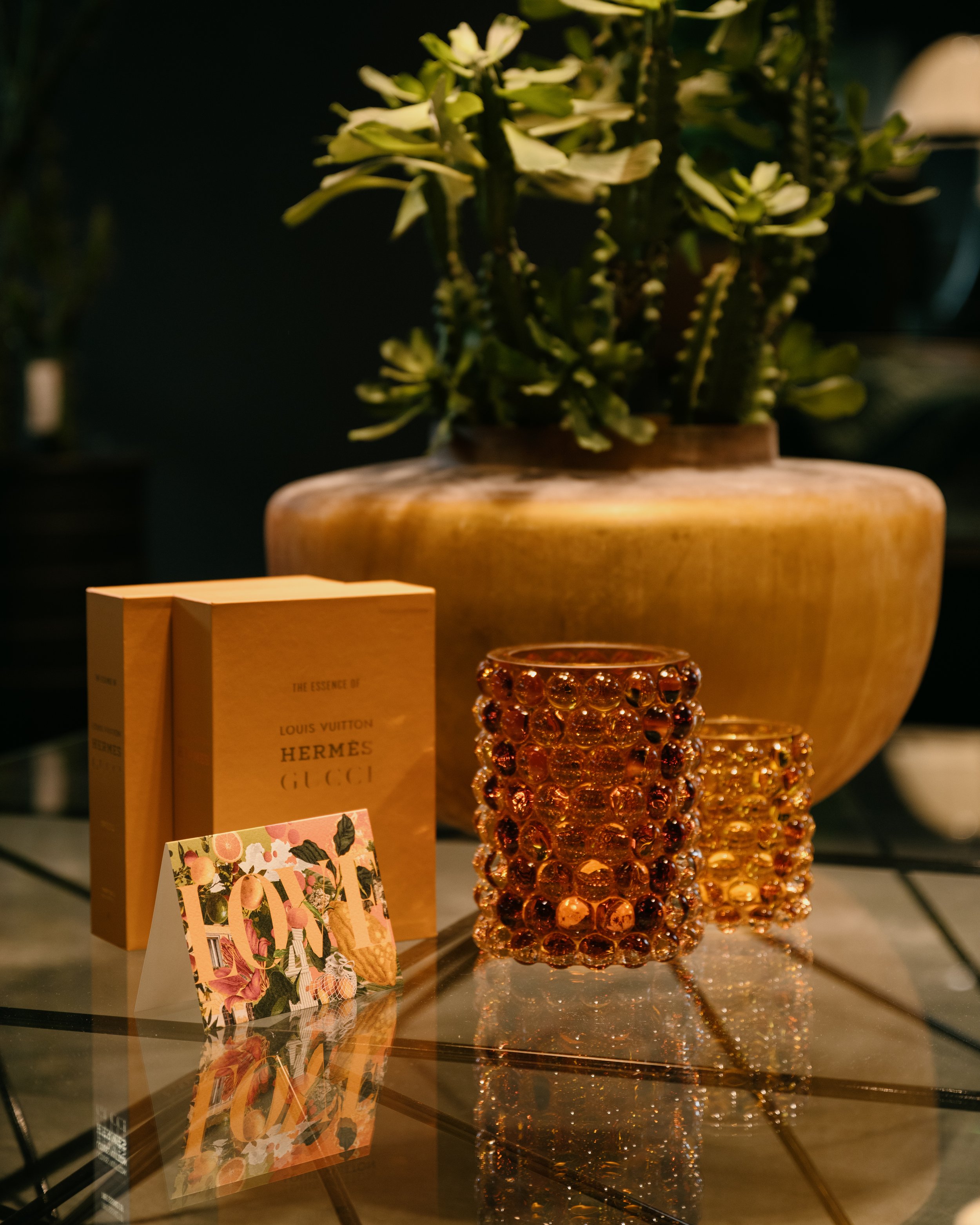
Manuela Menzi Studio offers high-quality cards featuring original artwork designed in Switzerland. Each design, inspired by nature, history, and art, is meant to spark conversations and inspire; it can be stored as a keepsake or framed and displayed in one’s home.