
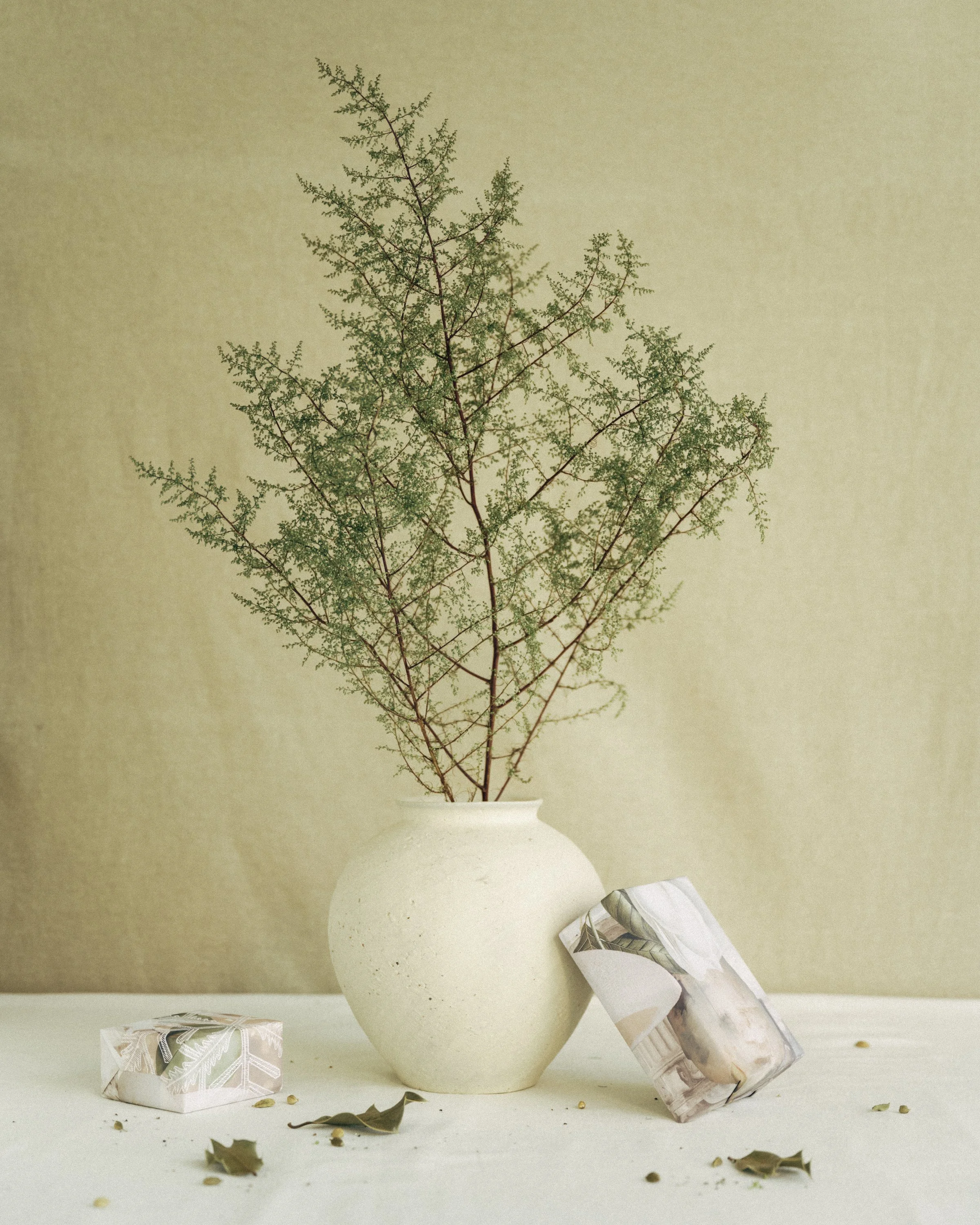
 Image 1 of 2
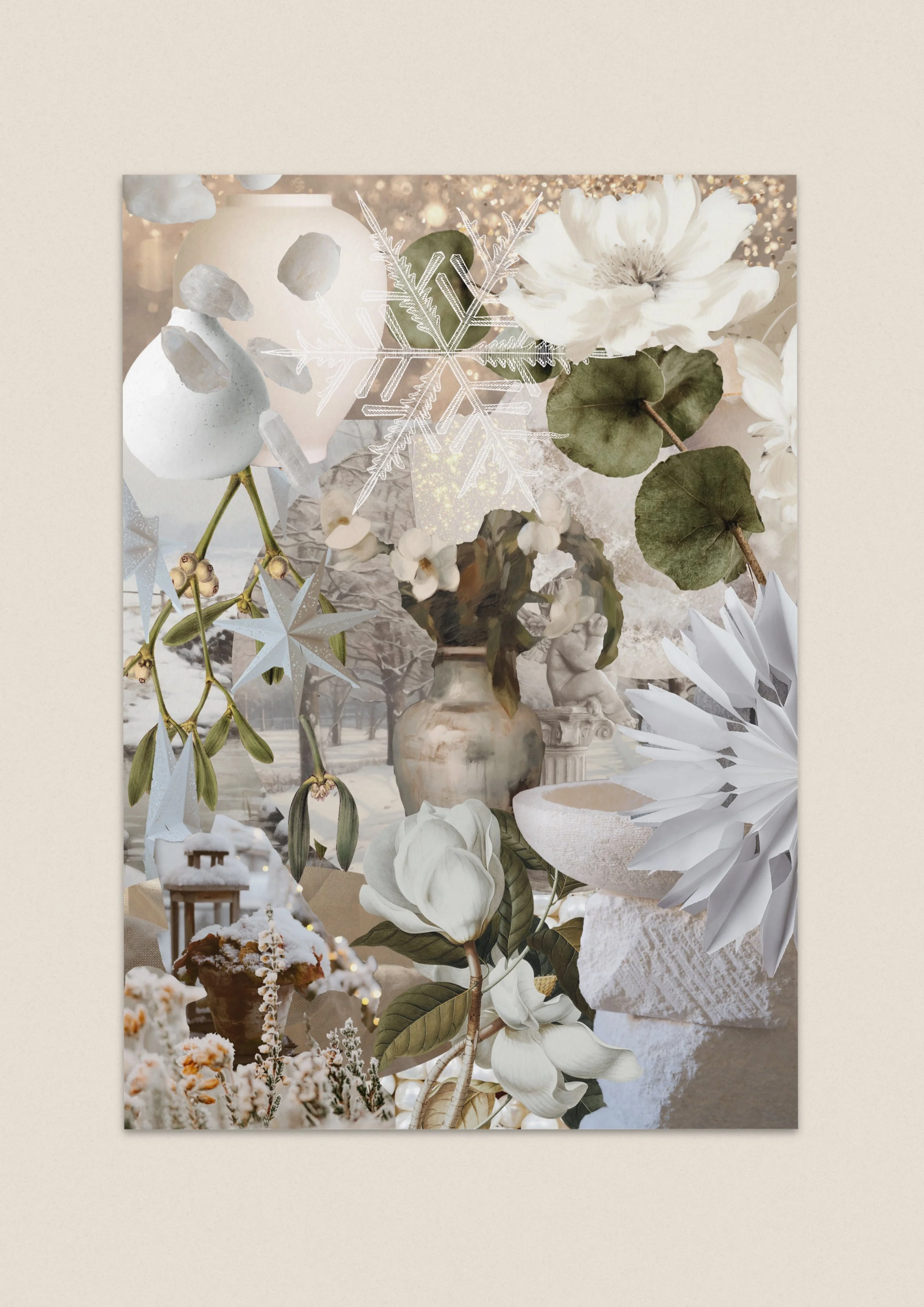 Image 2 of 2
DETAILS
SET
3 rolled sheets
A1 594 x 841 mm
A2 420 × 594 mm
A3 297 × 420 mm
SIZE
PAPER
100 g/m², uncoated offset
FINISH
Matte
PRINTED IN
Germany
-
FREE WORLDWIDE SHIPPING ON ALL ORDERS
Orders are usually shipped within 2–3 working days, and international shipping is available.
Please note that customers may be subject to customs duties in their respective countries, which are their responsibility.
You can also pay directly via TWINT.
You’re also welcome to pick up your order directly from the studio in Meilen. Important: Please call or text ahead to arrange a pickup time. This ensures I’m at the studio and have your order prepared.
-
Handle with clean, dry hands to keep the print looking its best. Store flat in a drawer or re-roll and secure with a ribbon, not with tape. Keep away from direct sunlight to preserve the colours over time.
Read more here
PAY WITH TWINT
It has begun to snow again, softly, the small flakes settling on a shoulder without wetting it. The stalls have lit their lamps against the four o'clock dark. Somewhere behind us a new pot of mulled wine is going on, red and clove-dark, and the lane smells of orange peel, cinnamon and Zimtsterne.
It is into this scene that we invite you to step with our Christmas Market paper.
Our journey begins with the fruit of the season: the orange. Raw, the peel is oily and sharp, releasing a fine spray when pressed. Dried slowly above a stove, the flesh turns amber and translucent, thin enough that the lamp behind it shows straight through the segments. That is why they are hung in windows. The fruit stops being a thing you eat and becomes a thing you look through.
The next stall keeps its spices all in one basket: cinnamon, star anise, cardamom. The cinnamon we drew as the quill, rolled tight, because that shape remembers the tree, the bark cut from young shoots and left to curl as it dries. Beside it the star anise, split open, still holding its seed and the cardamom pods, pale and papery, still rattling.
Everyone's favourite stall stands at the turn of the lane, past the knitted hats and the ice rink. It sells only Zimtsterne, from a recipe handed down four generations and never written out. The daughter learned it at her grandmother's elbow, by hand and by weight, and she will not say what is in it. The stars come out warm, the icing set in a soft white cap that stops short of the points, so the dark spiced edge shows underneath. No two are quite the same. Some lean, some have a short arm. There are hazelnut ones and almond ones, and a third with orange zest grated into the dough.
Christmas Market is made for the gift you hand over in a warm room. Hold it, and you can almost feel the cold coming off your coat, and catch, just faintly, the scent of orange and a new batch of Zimtsterne on the air.
PAIRS WELL WITH
PAY WITH TWINT
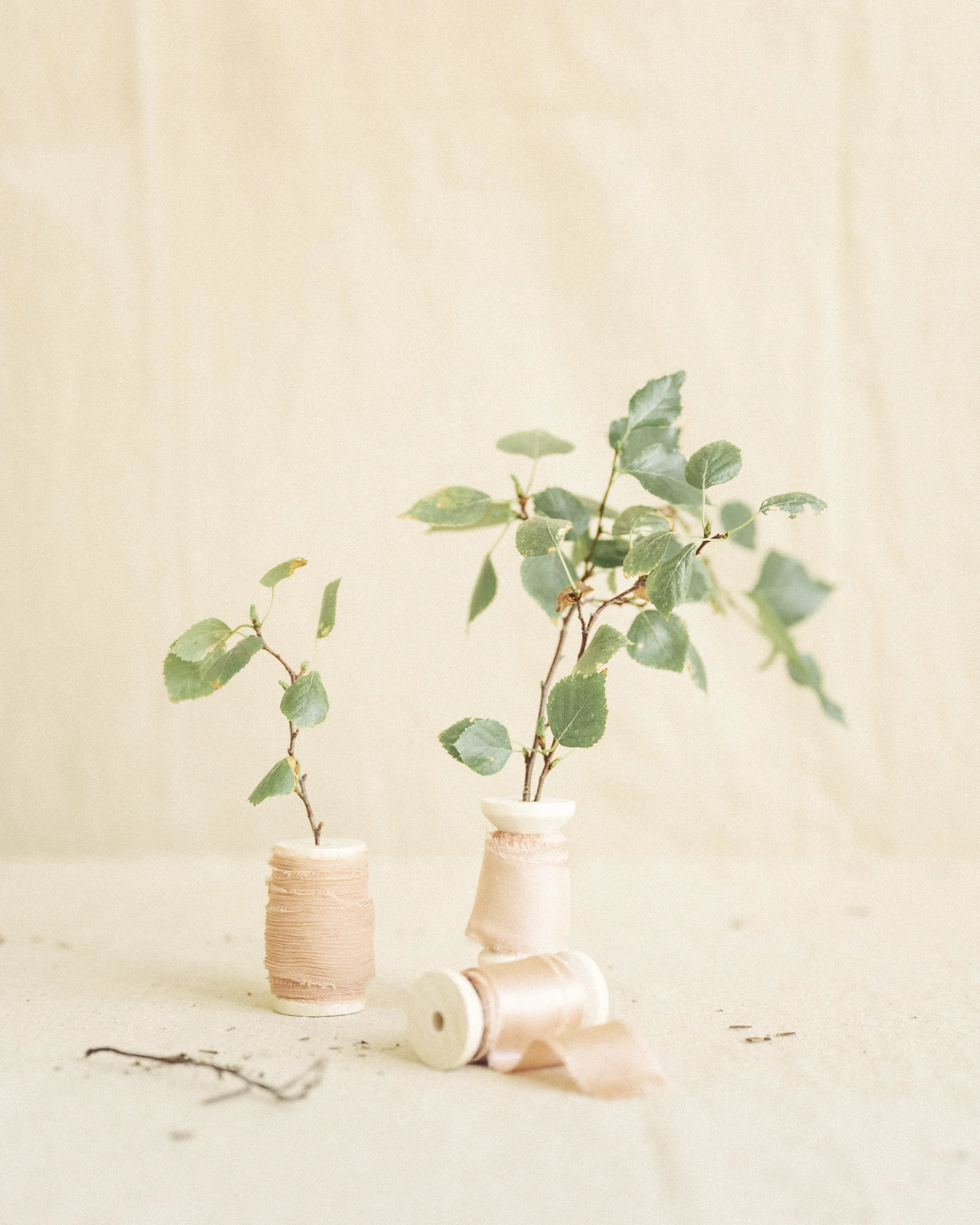
For a lighter pink, we went north. Into the birch woods, where the trees grow close and pale, and the light comes through the leaves in small, moving pieces.
Birch is among the first trees to return to bare ground. After the ice, after fire, it arrives before almost anything else, and its white bark sends the winter sun back into the sky. In Finland they tell how the old singer Väinämöinen cleared a forest to sow barley, but left a single birch standing, so the birds would have somewhere to rest. An eagle, pleased by this, gave him fire in return.
We walked among them in early spring, when the sap was rising and the catkins hung loose and yellow from the branches. The bark peels on its own here, in curls as thin as paper. White on the outside, marked with small black lines. Turn a curl over, and the underside is a plain, papery tan. Nothing about it hints at pink.
Only warmth brings it out. The bark steeps and simmers for a long time before it gives anything at all, until the whole kitchen smells like a Finnish sauna, of warm wood and birch leaves in the steam. Then the water warms, slowly, to the colour of weak tea, then apricot. Once dry, the silk settles into a light, clear pink, warm at its heart. A colour the birch never shows in the forest.
Long after the pot has cooled, the kitchen still smells faintly of the north. The ribbon lies drying by the window, ready to be tied.
PAY WITH TWINT
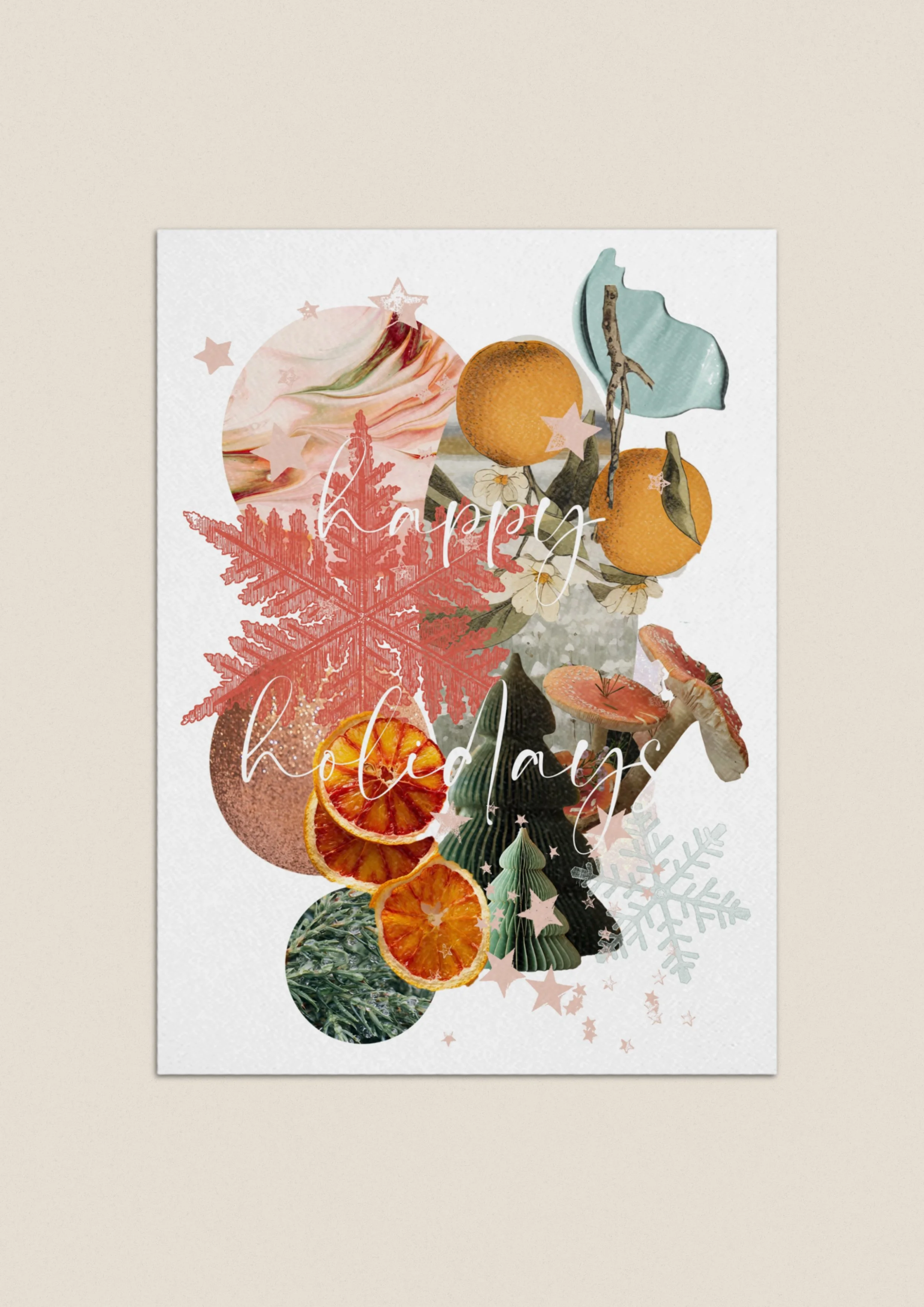
The last orange slice slides onto the string. She ties a knot, lifts the garland and hangs it across the kitchen window. The slices sway gently, amber and blood red, and the low December sun shines straight through them.
Done.
She steps back and smiles. The kitchen looks as if a snowstorm has passed through. Paper scraps drift across the floorboards. A marbled sheet, blush pink and crimson, curls as it dries over the back of a chair. Two honeycomb trees stand half opened beside the fruit bowl, and a painted toadstool leans against the sugar jar, its red cap still tacky. The brush water has turned the soft blue of a duck egg.
The oven is still warm. The whole room smells of dried orange and clove, with a sharp green note from the fir sprigs left on the counter.
She could tidy up. Instead, she pushes the scissors aside, brushes a few paper stars off the table and clears just enough space for one card.
She sits down. Outside, the first snowflakes drift slowly past the garland, each one finding its own way down.
Happy Holidays, she writes. Then she stops, looks up at the window and thinks of the person who will open this. Someone who would love this mess as much as she does.
The pen moves again. The oranges glow, the paint dries, the snow keeps falling.
When the last line is written, she slips the card into its envelope. Just before she seals it, she notices a tiny pink paper star caught in the fold, carried in from the table.
She smiles, and lets it stay.