
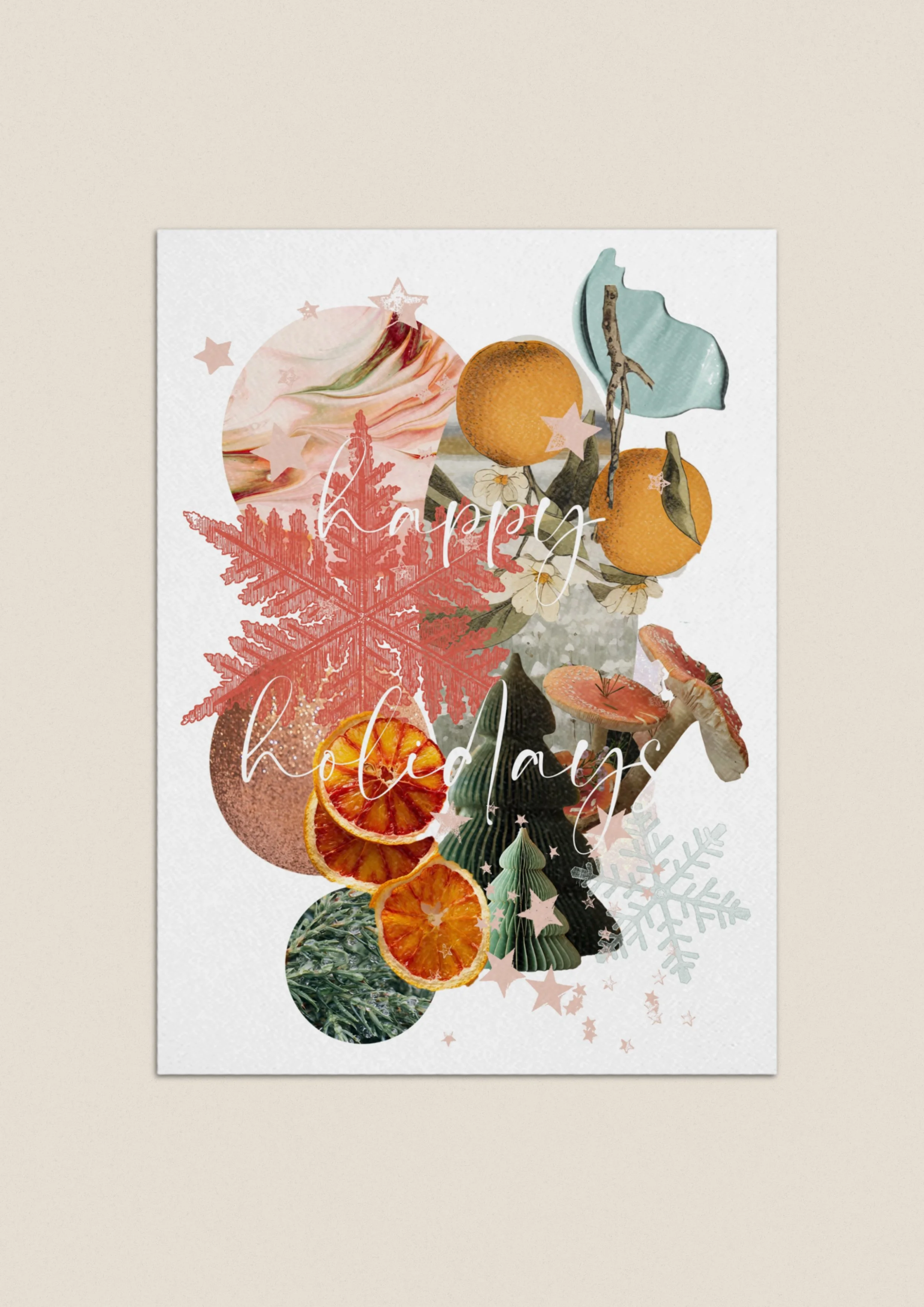
 Image 1 of 1
DETAILS
SIZE
A6 (folded)
INSIDE
Blank for your message
PAPER
Fine Italian paper, 300gsm, softly hammered texture
Matching off-white envelope with lined interior
ENVELOPE
MADE IN
The UK
-
FREE WORLDWIDE SHIPPING ON ALL ORDERS
Orders are usually shipped within 2–3 working days, and international shipping is available.
Please note that customers may be subject to customs duties in their respective countries, which are their responsibility.
You can also pay directly via TWINT.
You’re also welcome to pick up your order directly from the studio in Meilen. Important: Please call or text ahead to arrange a pickup time. This ensures I’m at the studio and have your order prepared.
-
Handle with clean, dry hands to keep the print looking its best. Store flat in a drawer. Keep away from direct sunlight to preserve the colours over time.
Read more here
PAY WITH TWINT
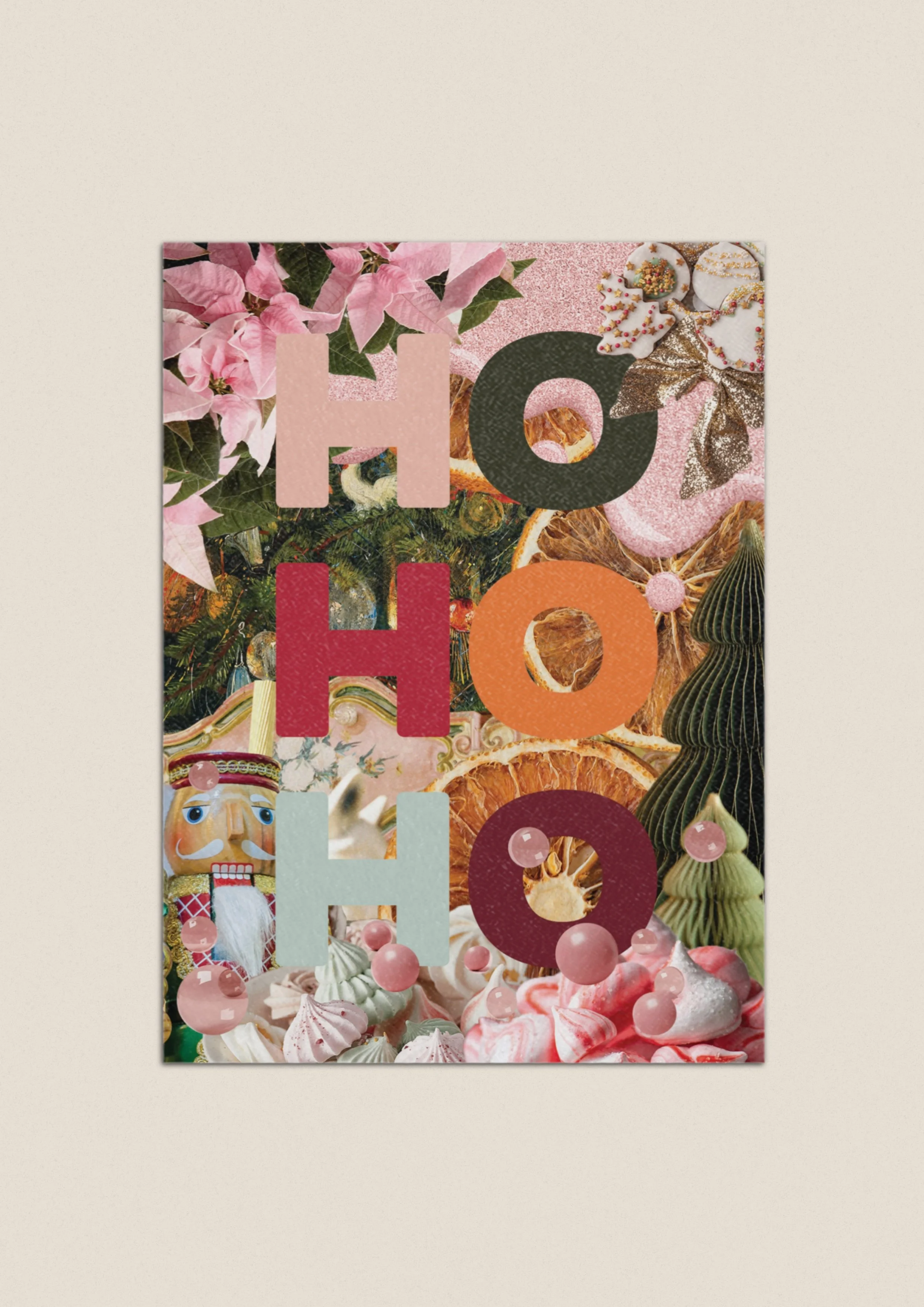
Long before he had a sleigh, he had a pocket full of oranges.
The old stories say Nicholas, a bishop in Myra, once dropped three bags of gold through a poor man’s window by night, so his daughters could marry. Over the centuries the gold became oranges, tucked into the toes of stockings, and the bishop grew a white beard, a red coat, and a laugh you could hear three rooftops away.
But oranges alone no longer fill his sack. So for weeks before Christmas, he makes sweets in his own kitchen. He boils sugar in copper pans until it turns amber, pulls it on a hook until it shines like silk, and twists in a stripe of cherry red. Each one he bends into a cane, shaped like the bishop’s staff he once carried. Beside them, meringues dry by the stove in rose and pistachio, blood orange slices are dipped in dark chocolate, and pink gumballs rattle into glass jars.
On Christmas Eve he sets out with all of it. No lane is too narrow, no village too far. Down chimneys, past sleeping cats, around the painted nutcracker standing guard on the sideboard. He fills stockings to the brim, leaves an orange in every toe, and is gone before the embers settle… almost. Listen closely and you might catch it, drifting back over the roofs.
Ho ho ho.
Write a few lines and send this card ahead of him, a small herald in the winter post. Somewhere above the rooftops, he is already on his way.
PAIRS WELL WITH
PAY WITH TWINT
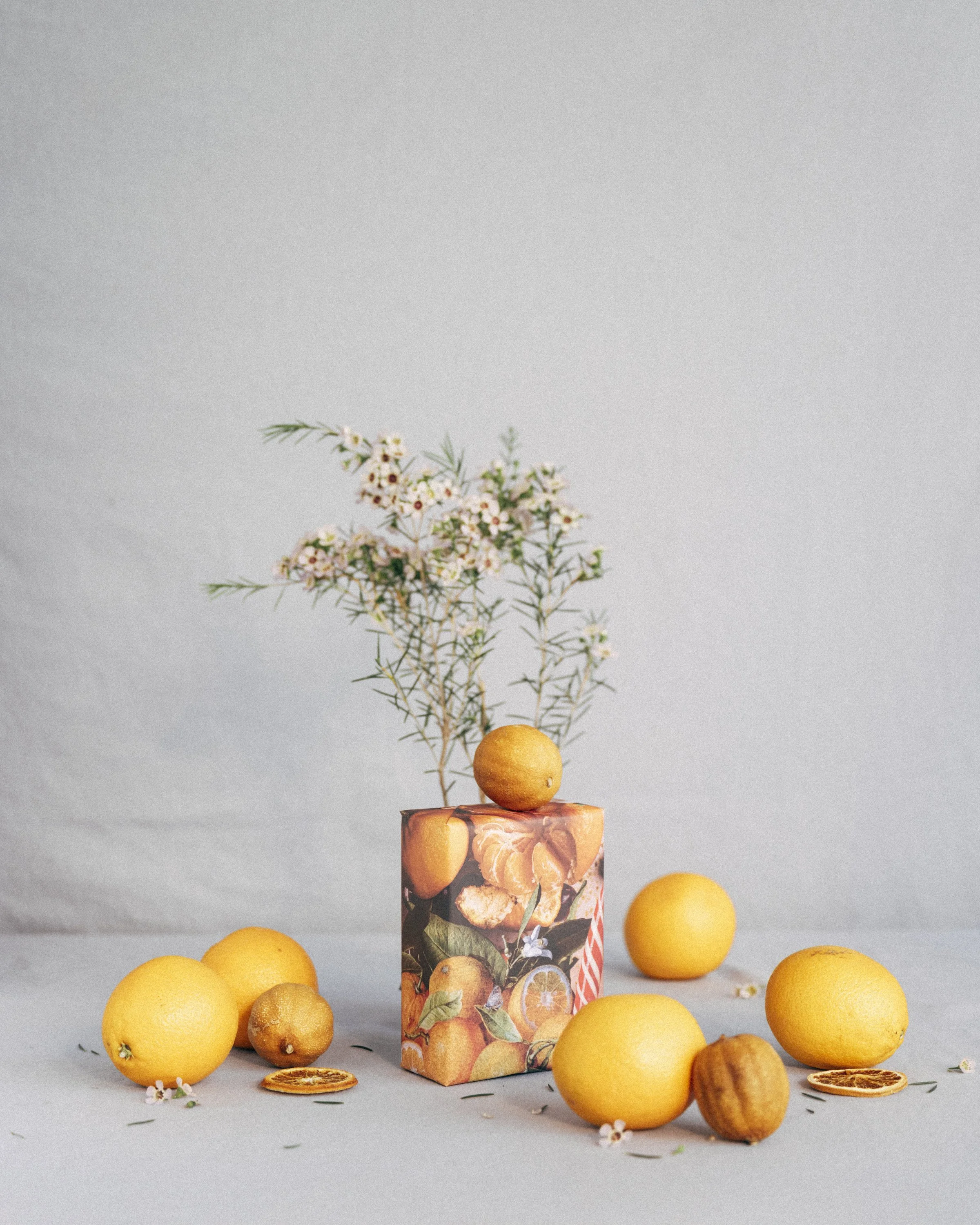
It came to you as a present, wrapped in a linen cloth. Your grandmother’s cookbook, which had belonged to her mother before her.
Open it and the years drift up from the paper: clove oil, browned butter, the bittersweet ghost of orange peel, a breath of vanilla trapped in the binding. The first pages are all Christmas dinner: roast goose, red cabbage, dumplings. You skip past them, straight to the desserts and biscuits. Not one recipe here has survived untouched. Every page has been annotated, adjusted, argued with.
The first is a gingerbread house, its plans traced from a women’s magazine in 1958 and pasted in with flour and water, every wall and roof panel measured in inches. Your grandmother has added a chimney in pencil and written boil the sugar for the windows until it turns amber. Beneath, a note about the icing: glue the roof the night before. Trust me. Then her own hand, rounder, quicker: Seville orange peel, to be candied in January and hidden until Advent.
A printed card from a packet of icing sugar, peppermint creams, corrected in pencil: too sweet, add lemon. Quince cheese that sets overnight into garnet squares. Butter biscuits stamped into stars and hearts, with a line added in your mother’s hand: let the children do the sprinkles. A few still cling to the page, tiny beads of coral, mint and lemon yellow, pressed into the paper by a sticky thumb. Rum truffles rolled in cocoa, with a note underlined twice: not for the children. You remember stealing three.
Rose and vanilla marshmallows, snipped into pillows with kitchen scissors and dusted in cornflour, with a reminder to drop two into every cup of hot chocolate after carol singing, where they slowly sink and bloom. And the candy canes, sugar pulled on a buttered marble slab and twisted with crimson, a recipe you have starred since you were nine and never once made. This might be the year.
At the very back lies a hellebore, pressed flat the winter your great grandmother married. Christmas roses, she called them, and every year she told their story: a shepherd girl with no gift wept in the snow, and where her tears fell, these flowers opened.
This year you sit at the kitchen table with your own pen. You write: ginger and sour cherry florentines, thin as glass. Then you close the book and reach for the marble slab. By Christmas the kitchen will smell of every page at once… caramel darkening in the pan, cloves pressed into oranges, cinnamon warming the windows, peppermint sharp as frost.
Outside, under the snow, the hellebores are opening.
PAY WITH TWINT
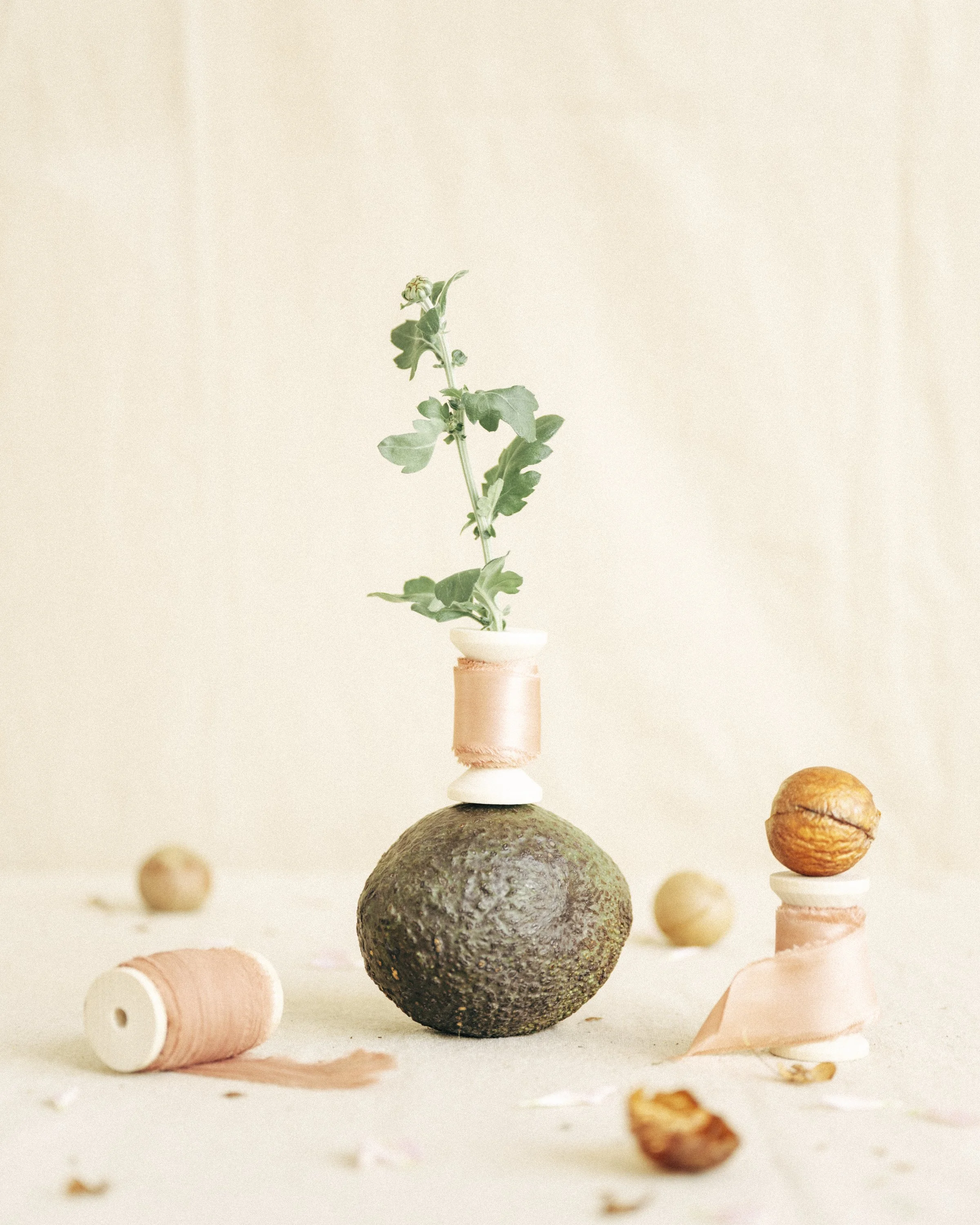
We went looking for a particular pink. Not the pink of sugared almonds, nor the loud flush of a peony, but something older. The pink of a rose pressed between the pages of a book.
So we began in the garden, in the last warm weeks of August. Rose petals first, gathered after rain and simmered until the kitchen smelled of jam. Once, the story goes, a rose was hung above the table, and whatever was said beneath it stayed secret. Ours kept their colour to themselves and gave us only a weak tea. Madder root, dug from the end of the bed, ran coral, far too bright. Then dark hollyhocks, and blackberries from the hedge. Each dye bath came close and slipped away, sliding into brown or cooling into lilac.
We found it, in the end, in the kitchen. Avocado skins from breakfast, dark and pebbled, the part usually thrown away. Simmered slowly, they give up their tannins, and the water darkens through rust to the red of mulberries. Lifted out and left to dry, the colour settles into an old, dusty pink. The pink we went looking for.
On the windowsill, the stone from that same breakfast sits in a glass of water. It has split along its middle, and a pale root is feeling its way down. Keep it watered, and one day, years from now, it may flower.