
 Image 1 of 2
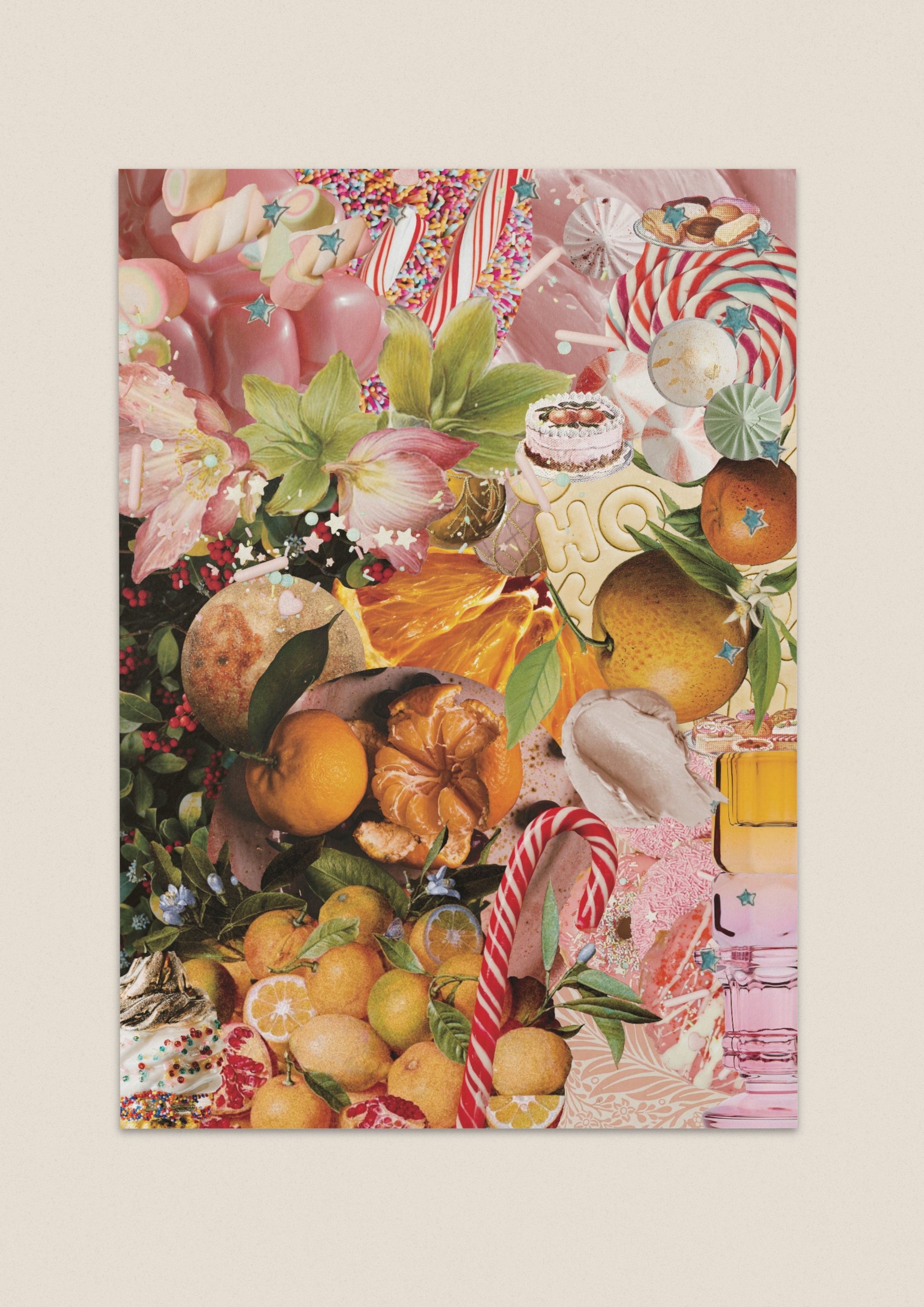 Image 2 of 2
DETAILS
SET
3 rolled sheets
A1 594 x 841 mm
A2 420 × 594 mm
A3 297 × 420 mm
SIZE
PAPER
100 g/m², uncoated offset
FINISH
Matte
PRINTED IN
Germany
-
FREE WORLDWIDE SHIPPING ON ALL ORDERS
Orders are usually shipped within 2–3 working days, and international shipping is available.
Please note that customers may be subject to customs duties in their respective countries, which are their responsibility.
You can also pay directly via TWINT.
You’re also welcome to pick up your order directly from the studio in Meilen. Important: Please call or text ahead to arrange a pickup time. This ensures I’m at the studio and have your order prepared.
-
Handle with clean, dry hands to keep the print looking its best. Store flat in a drawer or re-roll and secure with a ribbon, not with tape. Keep away from direct sunlight to preserve the colours over time.
Read more here
PAY WITH TWINT
We went looking for a particular pink. Not the pink of sugared almonds, nor the loud flush of a peony, but something older. The pink of a rose pressed between the pages of a book.
So we began in the garden, in the last warm weeks of August. Rose petals first, gathered after rain and simmered until the kitchen smelled of jam. Once, the story goes, a rose was hung above the table, and whatever was said beneath it stayed secret. Ours kept their colour to themselves and gave us only a weak tea. Madder root, dug from the end of the bed, ran coral, far too bright. Then dark hollyhocks, and blackberries from the hedge. Each dye bath came close and slipped away, sliding into brown or cooling into lilac.
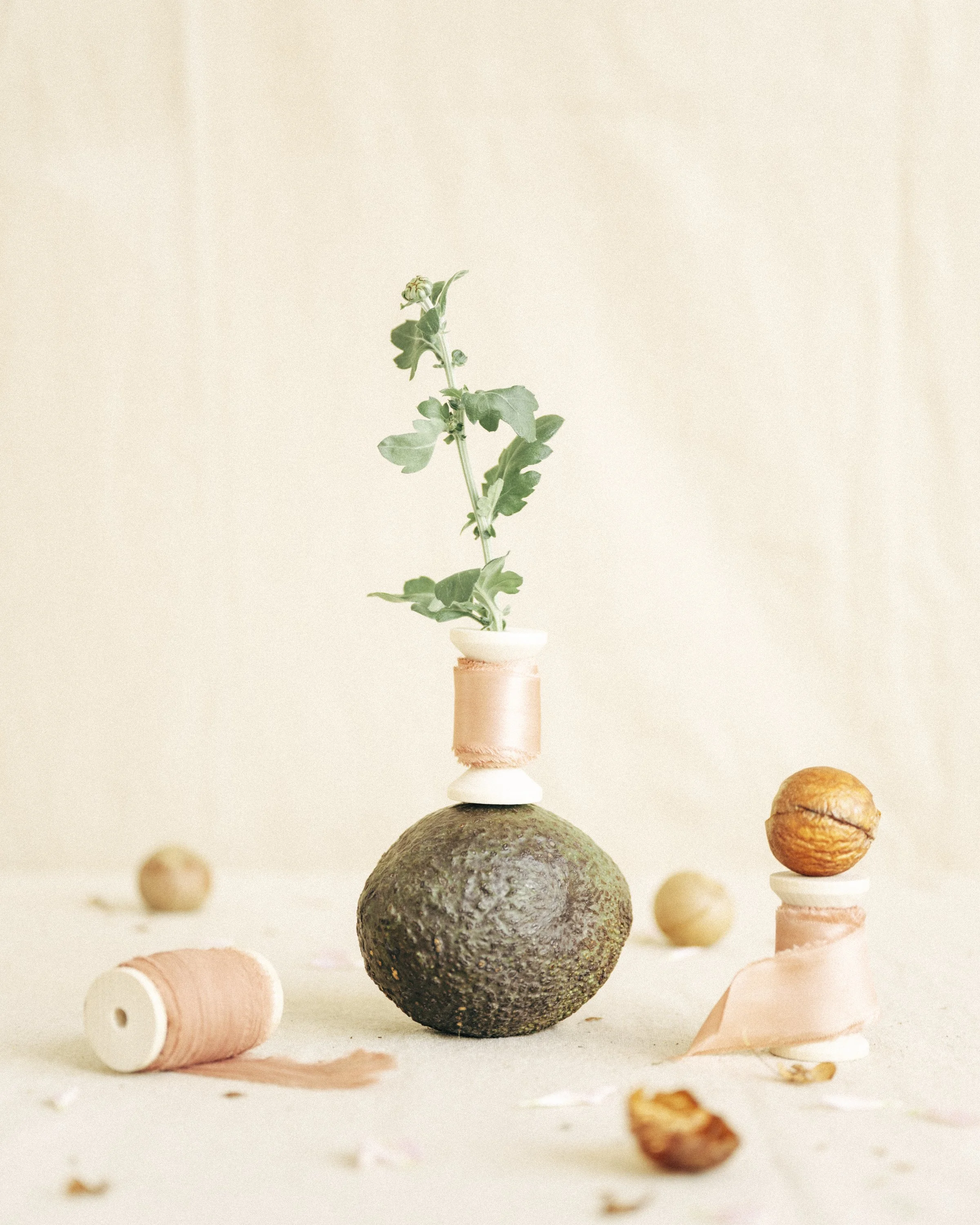
We found it, in the end, in the kitchen. Avocado skins from breakfast, dark and pebbled, the part usually thrown away. Simmered slowly, they give up their tannins, and the water darkens through rust to the red of mulberries. Lifted out and left to dry, the colour settles into an old, dusty pink. The pink we went looking for.
On the windowsill, the stone from that same breakfast sits in a glass of water. It has split along its middle, and a pale root is feeling its way down. Keep it watered, and one day, years from now, it may flower.
PAIRS WELL WITH
PAY WITH TWINT
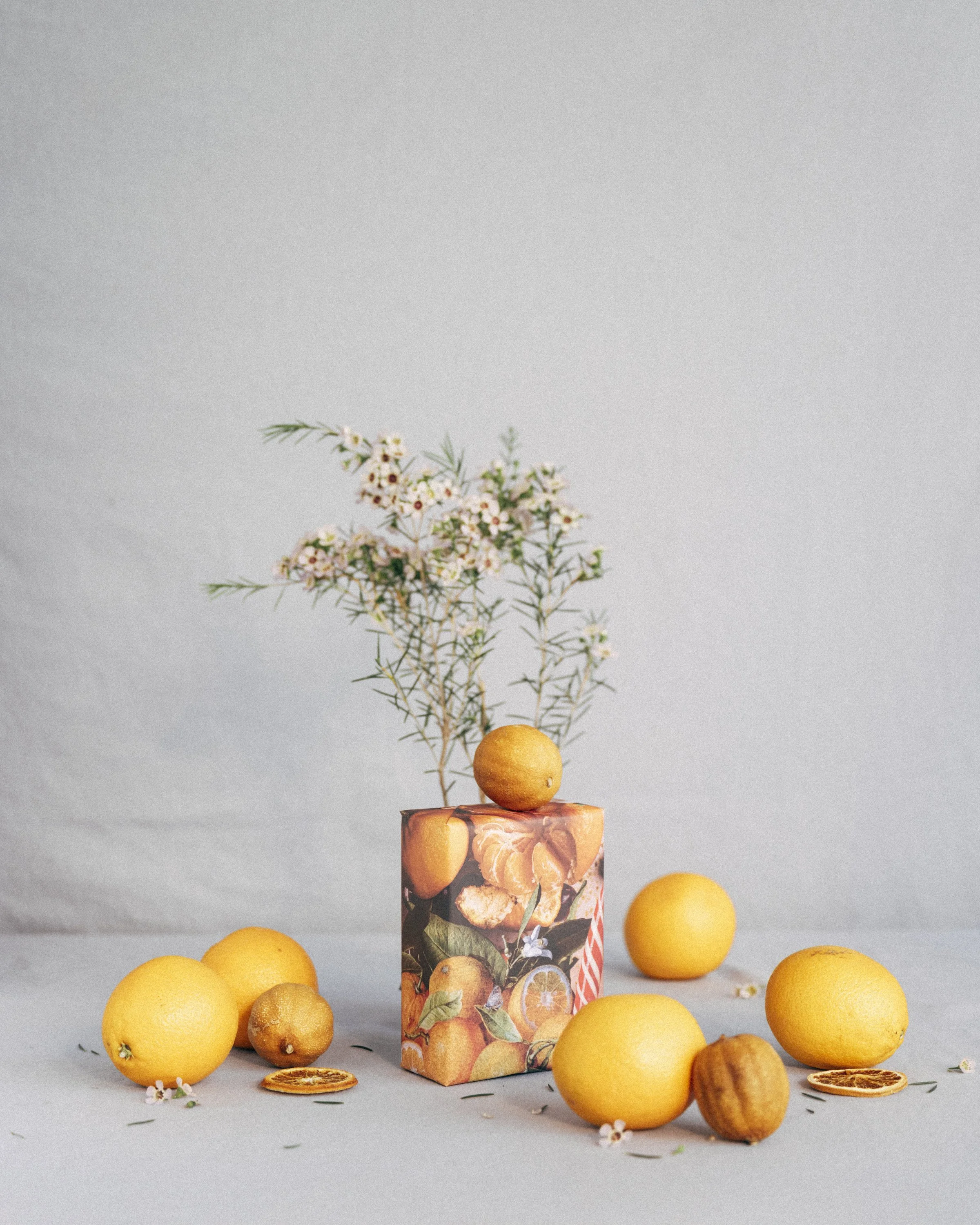
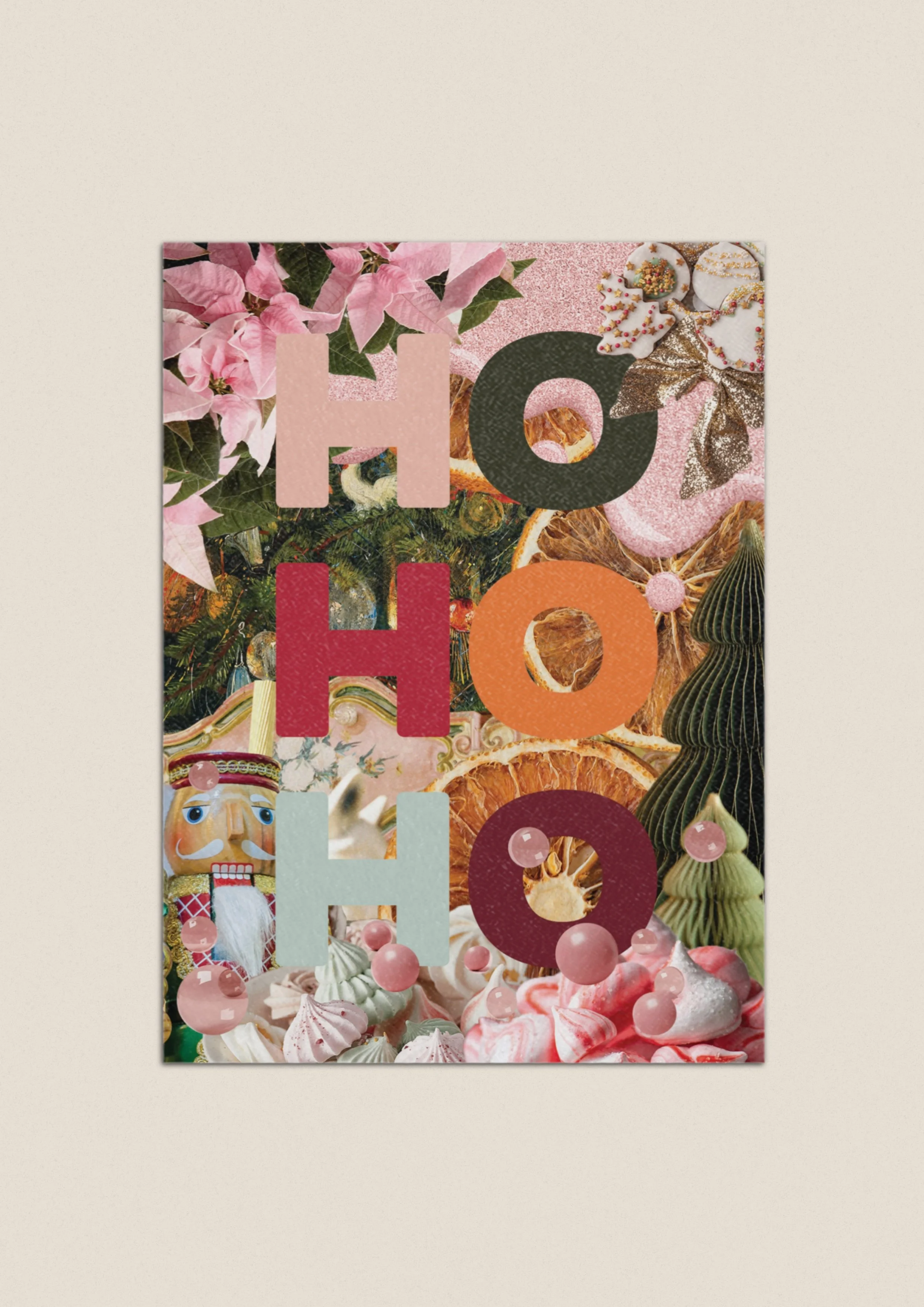
Long before he had a sleigh, he had a pocket full of oranges.
The old stories say Nicholas, a bishop in Myra, once dropped three bags of gold through a poor man’s window by night, so his daughters could marry. Over the centuries the gold became oranges, tucked into the toes of stockings, and the bishop grew a white beard, a red coat, and a laugh you could hear three rooftops away.
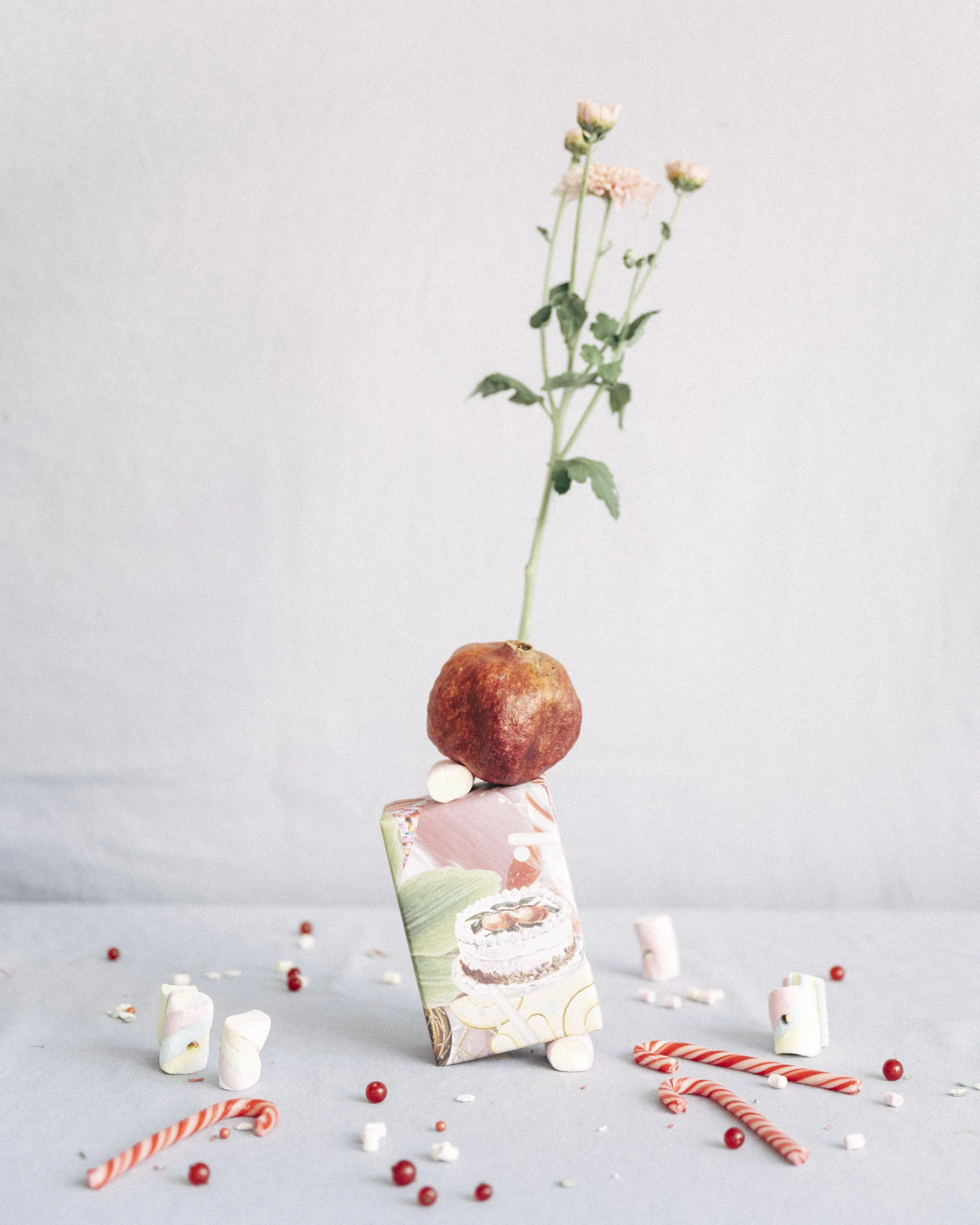
But oranges alone no longer fill his sack. So for weeks before Christmas, he makes sweets in his own kitchen. He boils sugar in copper pans until it turns amber, pulls it on a hook until it shines like silk, and twists in a stripe of cherry red. Each one he bends into a cane, shaped like the bishop’s staff he once carried. Beside them, meringues dry by the stove in rose and pistachio, blood orange slices are dipped in dark chocolate, and pink gumballs rattle into glass jars.
On Christmas Eve he sets out with all of it. No lane is too narrow, no village too far. Down chimneys, past sleeping cats, around the painted nutcracker standing guard on the sideboard. He fills stockings to the brim, leaves an orange in every toe, and is gone before the embers settle… almost. Listen closely and you might catch it, drifting back over the roofs.
Ho ho ho.
Write a few lines and send this card ahead of him, a small herald in the winter post. Somewhere above the rooftops, he is already on his way.
PAY WITH TWINT
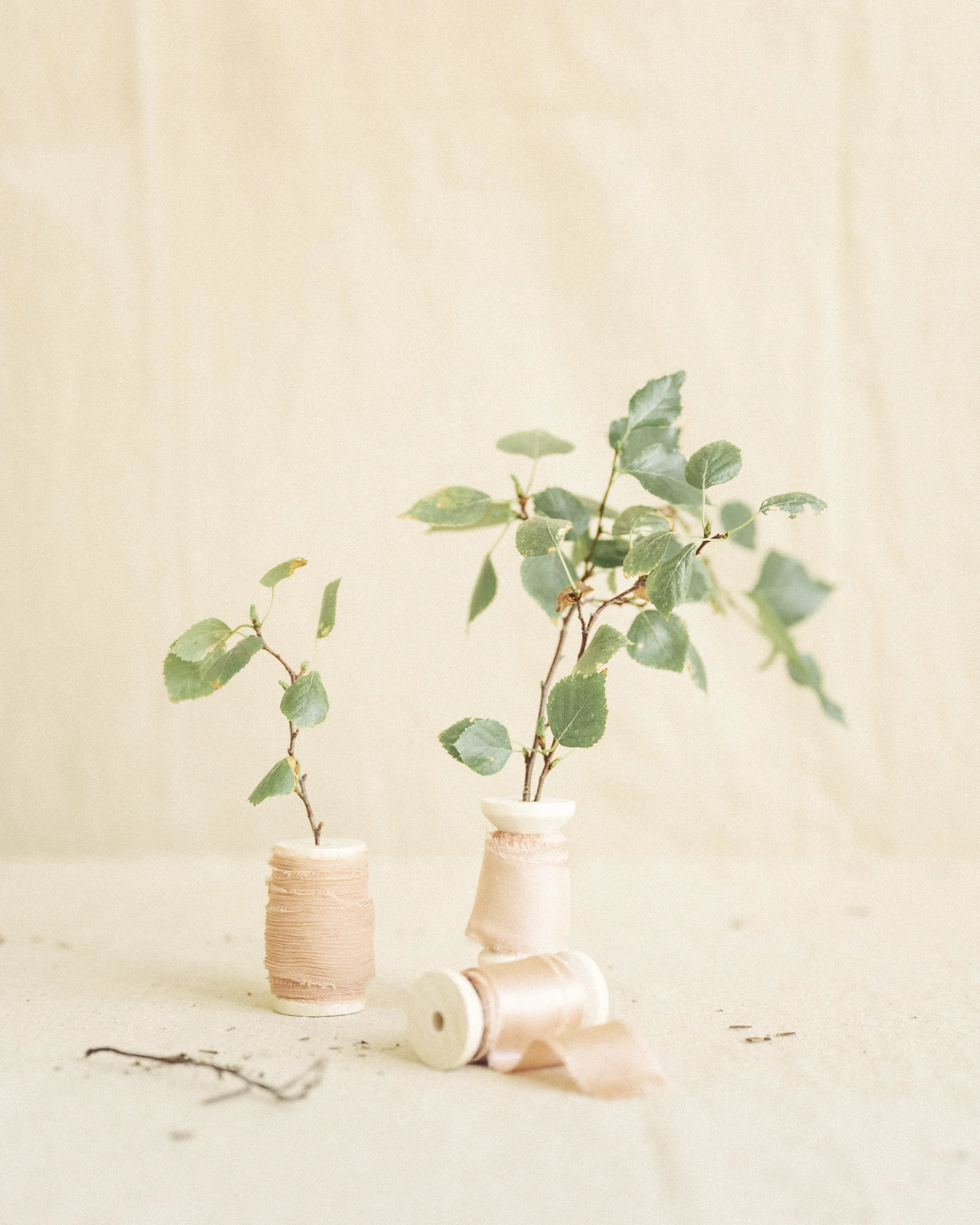
For a lighter pink, we went north. Into the birch woods, where the trees grow close and pale, and the light comes through the leaves in small, moving pieces.
Birch is among the first trees to return to bare ground. After the ice, after fire, it arrives before almost anything else, and its white bark sends the winter sun back into the sky. In Finland they tell how the old singer Väinämöinen cleared a forest to sow barley, but left a single birch standing, so the birds would have somewhere to rest. An eagle, pleased by this, gave him fire in return.
We walked among them in early spring, when the sap was rising and the catkins hung loose and yellow from the branches. The bark peels on its own here, in curls as thin as paper. White on the outside, marked with small black lines. Turn a curl over, and the underside is a plain, papery tan. Nothing about it hints at pink.
Only warmth brings it out. The bark steeps and simmers for a long time before it gives anything at all, until the whole kitchen smells like a Finnish sauna, of warm wood and birch leaves in the steam. Then the water warms, slowly, to the colour of weak tea, then apricot. Once dry, the silk settles into a light, clear pink, warm at its heart. A colour the birch never shows in the forest.
Long after the pot has cooled, the kitchen still smells faintly of the north. The ribbon lies drying by the window, ready to be tied.