
 Image 1 of 1
DETAILS
FABRIC
100% Silk
COLOUR
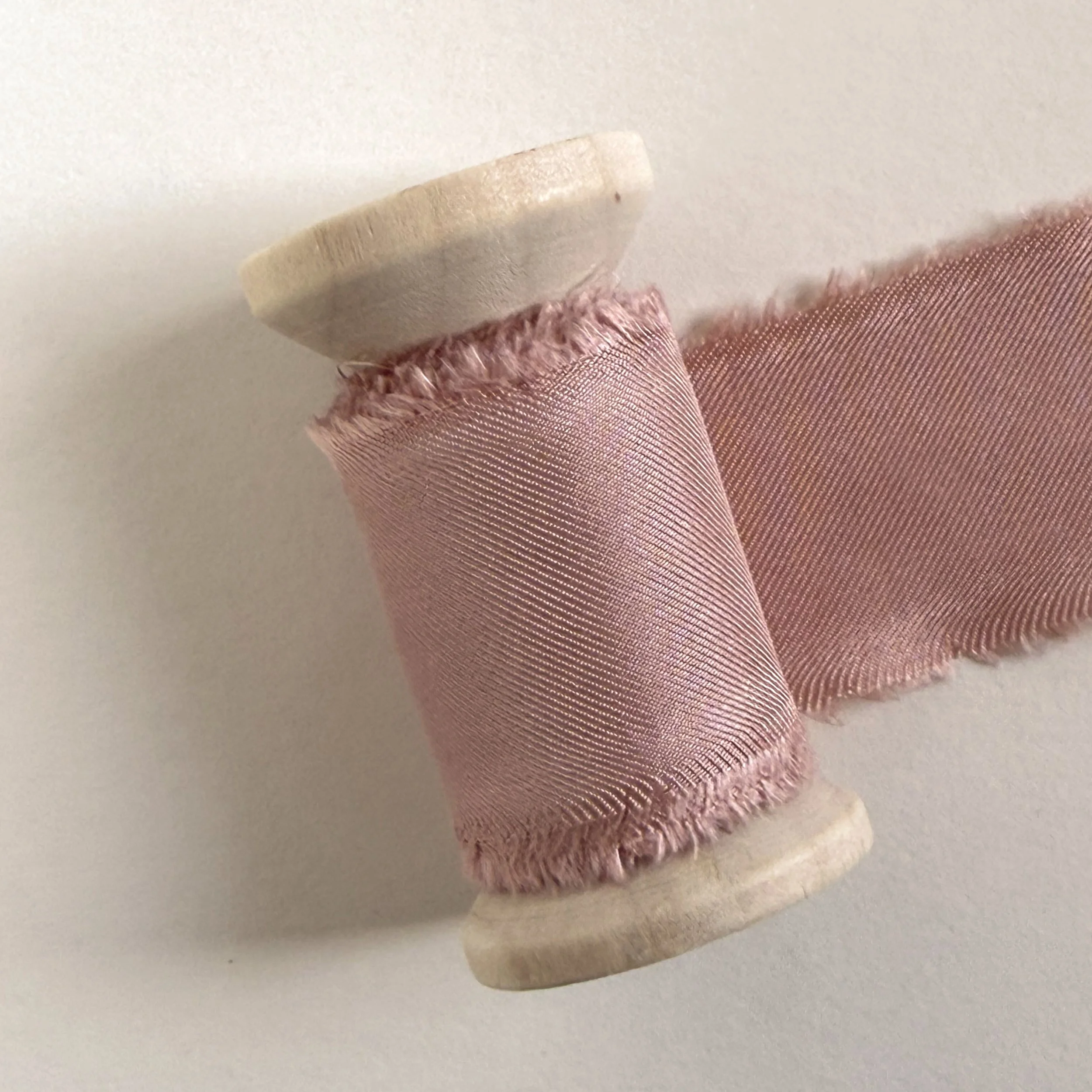
Old, dusty pink
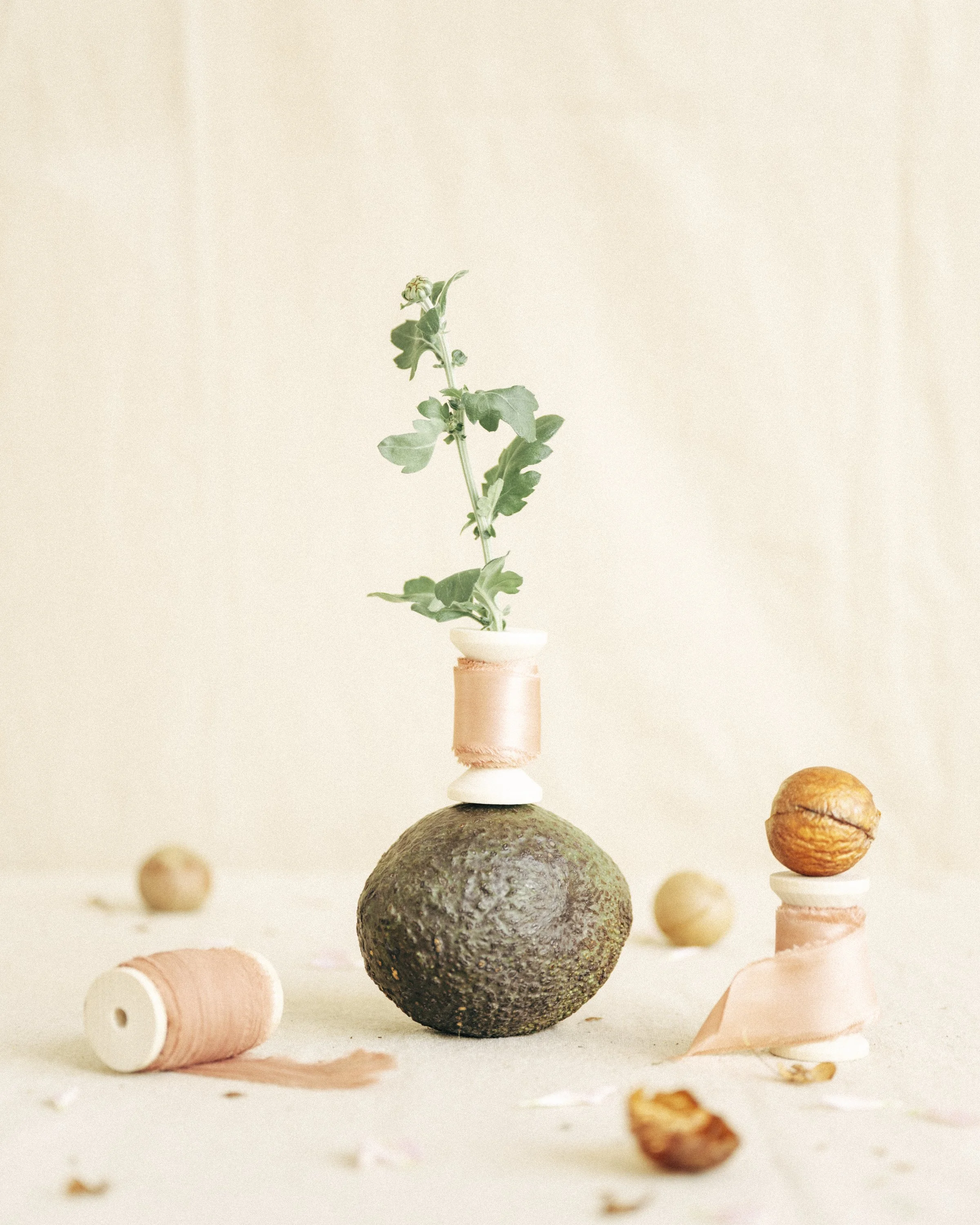
Naturally dyed with avocado skins
Each pot gives a slightly different shade. Small marks and uneven patches are part of the process and make every ribbon one of a kind.
DYE
Around 3cm
WIDTH
LENGTH
Around 2.5m
EDGES
Hand torn, softly frayed
MADE IN
Switzerland
-
FREE WORLDWIDE SHIPPING ON ALL ORDERS
Orders are usually shipped within 2–3 working days, and international shipping is available.
Please note that customers may be subject to customs duties in their respective countries, which are their responsibility.
You can also pay directly via TWINT.
You’re also welcome to pick up your order directly from the studio in Meilen. Important: Please call or text ahead to arrange a pickup time. This ensures I’m at the studio and have your order prepared.
-
Hand wash only if needed, in cool water and lay flat to dry. Iron on a low silk setting through a cloth. Keep away from direct sunlight to preserve the colour over time. Trim loose threads rather than pulling them.
ABOUT THE SILK
-
![]()
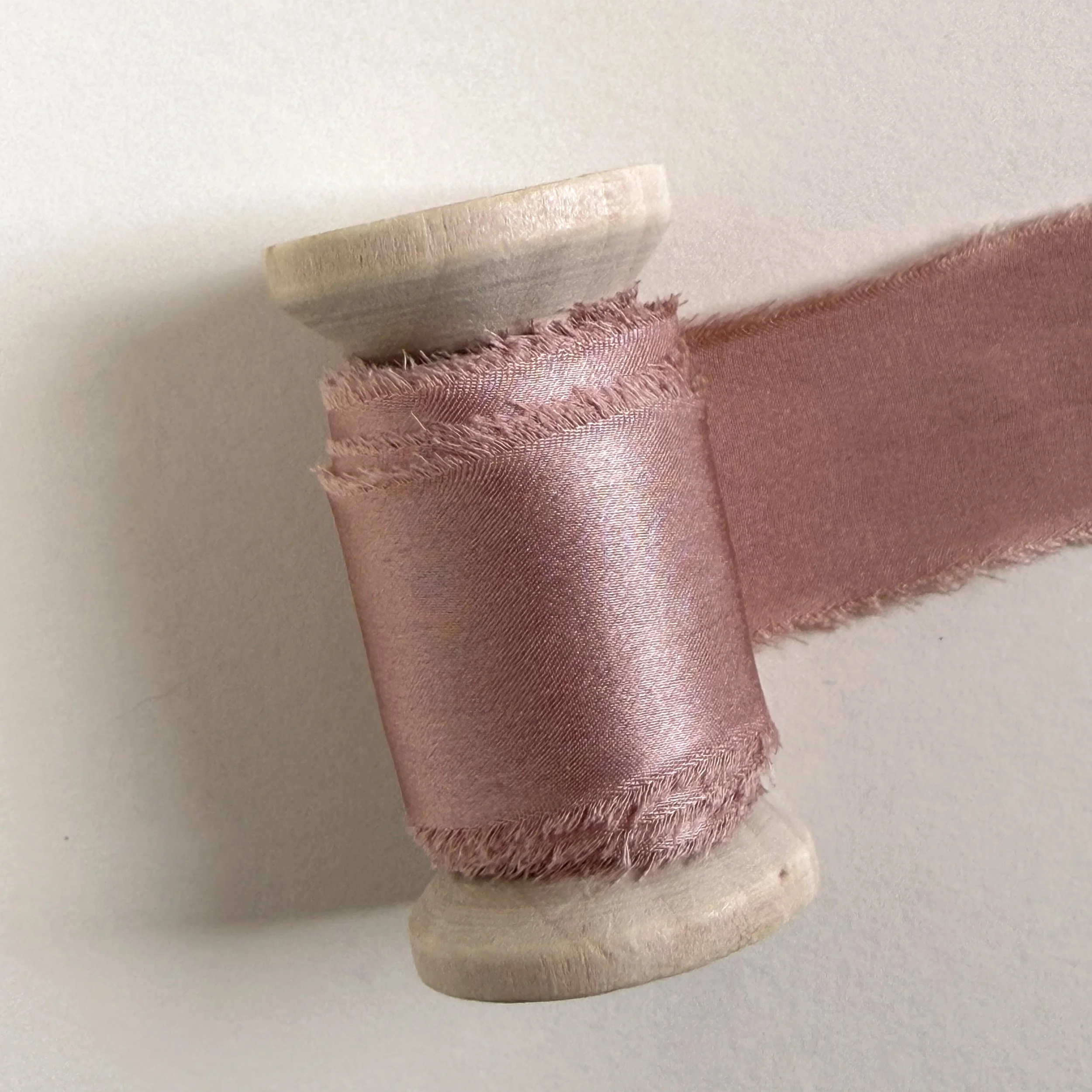
Crepe Satin
One side glows with a soft sheen, the other is matte with a fine, grainy texture. It falls fluidly and ties into a bow that sits soft and full.
-
![]()
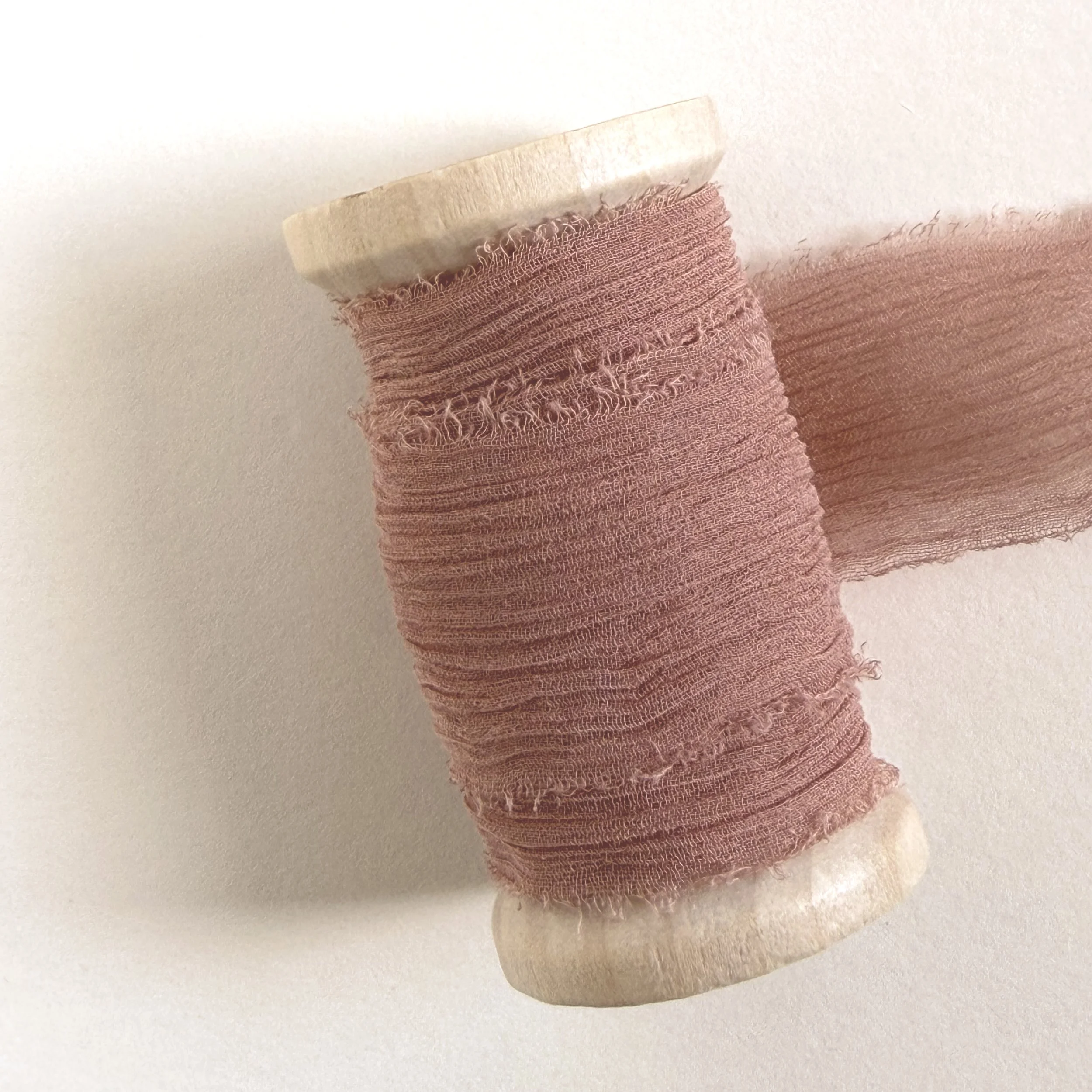
Crinkle
Light and airy, with a crinkled texture set into the fabric. It holds a little volume in every knot and never needs ironing.
-
![]()
Twill
Woven with fine diagonal lines, the same weave used for silk scarves. It is smooth and slightly crisp, and holds its shape beautifully in a bow.
PAY WITH TWINT
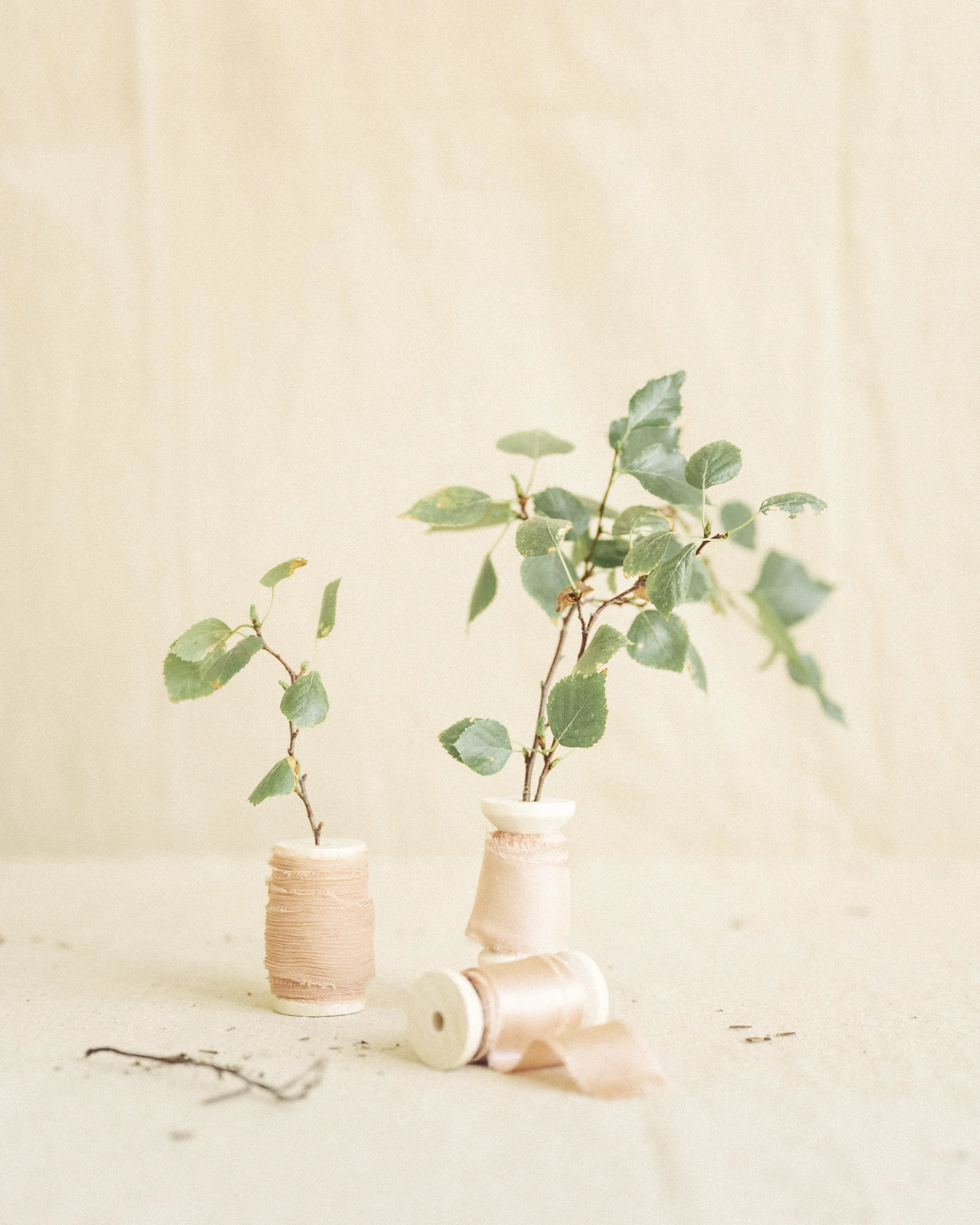
For a lighter pink, we went north. Into the birch woods, where the trees grow close and pale, and the light comes through the leaves in small, moving pieces.
Birch is among the first trees to return to bare ground. After the ice, after fire, it arrives before almost anything else, and its white bark sends the winter sun back into the sky. In Finland they tell how the old singer Väinämöinen cleared a forest to sow barley, but left a single birch standing, so the birds would have somewhere to rest. An eagle, pleased by this, gave him fire in return.
We walked among them in early spring, when the sap was rising and the catkins hung loose and yellow from the branches. The bark peels on its own here, in curls as thin as paper. White on the outside, marked with small black lines. Turn a curl over, and the underside is a plain, papery tan. Nothing about it hints at pink.
Only warmth brings it out. The bark steeps and simmers for a long time before it gives anything at all, until the whole kitchen smells like a Finnish sauna, of warm wood and birch leaves in the steam. Then the water warms, slowly, to the colour of weak tea, then apricot. Once dry, the silk settles into a light, clear pink, warm at its heart. A colour the birch never shows in the forest.
Long after the pot has cooled, the kitchen still smells faintly of the north. The ribbon lies drying by the window, ready to be tied.
PAIRS WELL WITH
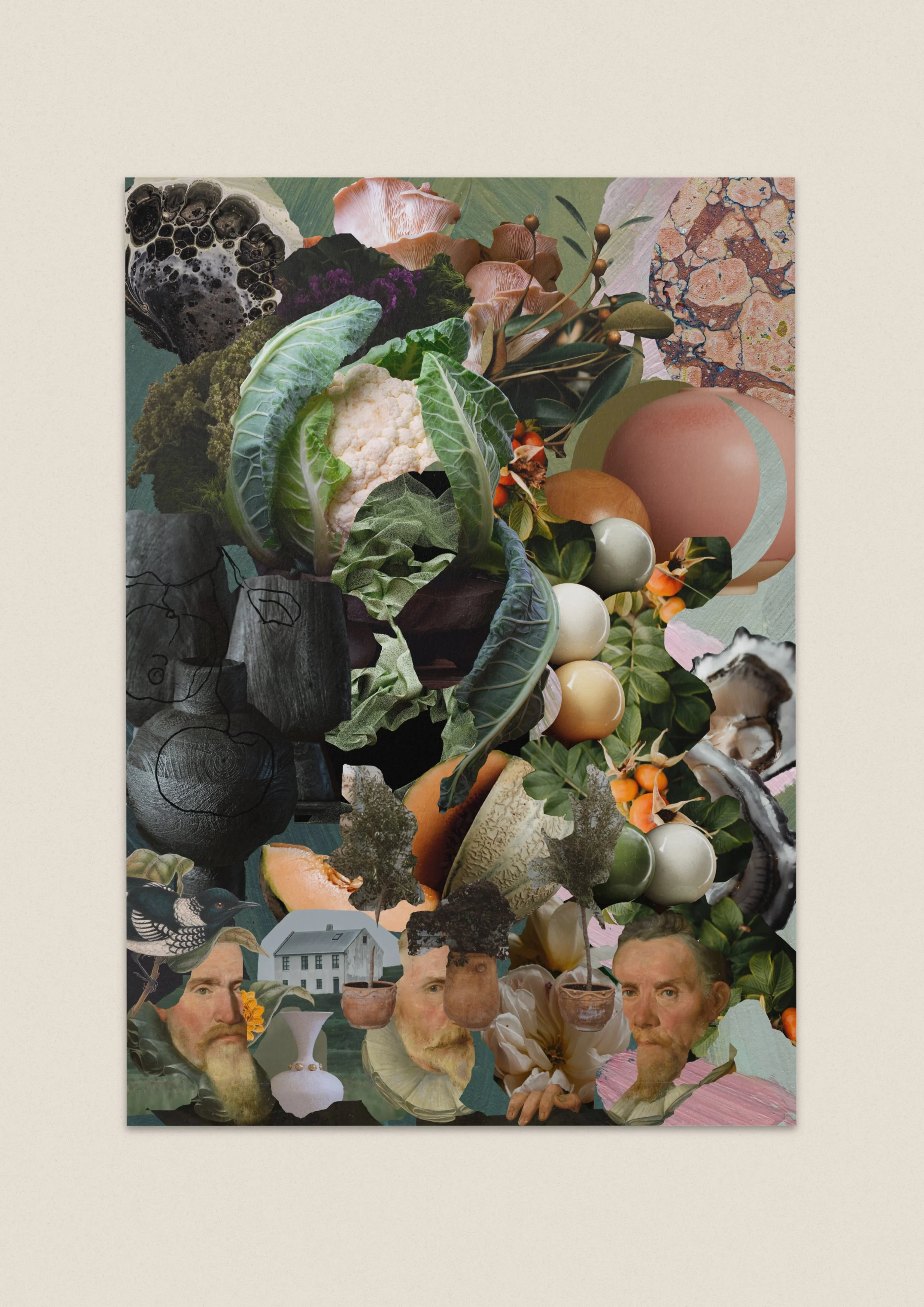
Introducing The Evergreen Tapestry wrapping paper, a beautiful blend of nature’s charm and classic artistry. Inspired by the rich history of ancient tapestries, this design brings together elements that feel both timeless and modern. Tapestries were once used to decorate castles, tell stories of historical events, and symbolise wealth and power, often commissioned by royalty and hung on the walls of grand halls.
Perfect for the fall and winter seasons, The Evergreen Tapestry lets you own a piece of this storied tradition or bring it with you to the next birthday party, turning every gift into a work of art.

PAY WITH TWINT
For most of human history, birthdays belonged only to kings and saints. Ordinary people were born, grew older, and said nothing particular about it. Most didn't even know their exact date. It wasn't recorded, wasn't kept. It wasn't until the industrial revolution that birth dates began to be written down for everyone. And once written down, they could be celebrated.
The candles came much earlier. In ancient Greece, people brought honey cakes to the temple of Artemis, goddess of the moon, the hunt, and of childbirth itself. The cakes were called amphiphon, meaning shining on both sides. Round like the moon, with candles placed all around the edge. It was not just a wish. It was a thank you. For the birth itself.
We kept the candles. We kept the wishes. We added the gifts. And somewhere along the way, we added the gift tag.
It is the last thing you do. The gift is chosen, wrapped, ribboned. And then you sit down with a small piece of paper and a pen and try to find the right words. Not many. There is no space for many. Just enough to say what you mean, in the handwriting that the other person will recognise before they have even read it.
It arrives first. Before the gift itself. The smallest part of the whole gesture. Written last, read first.