
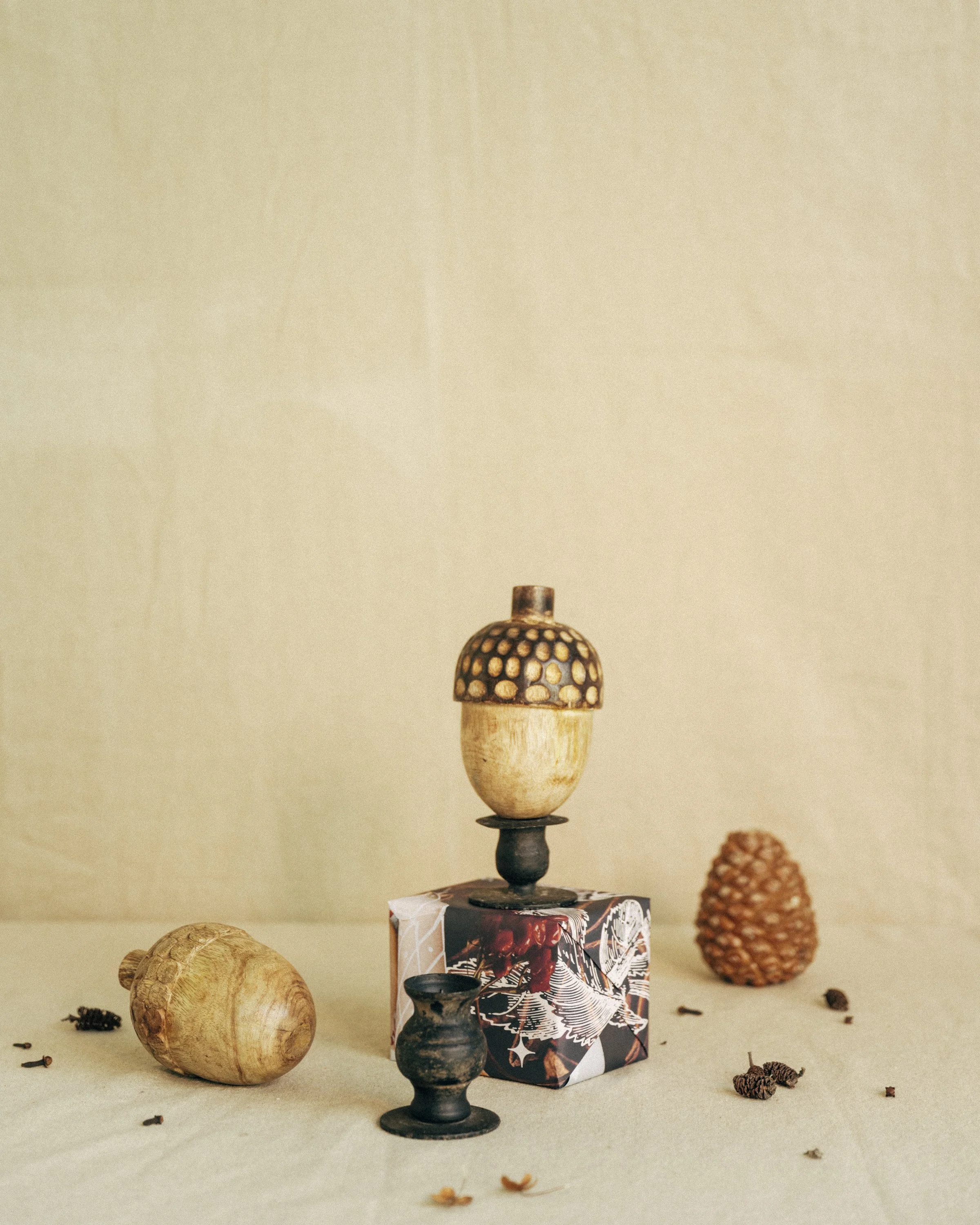
 Image 1 of 2
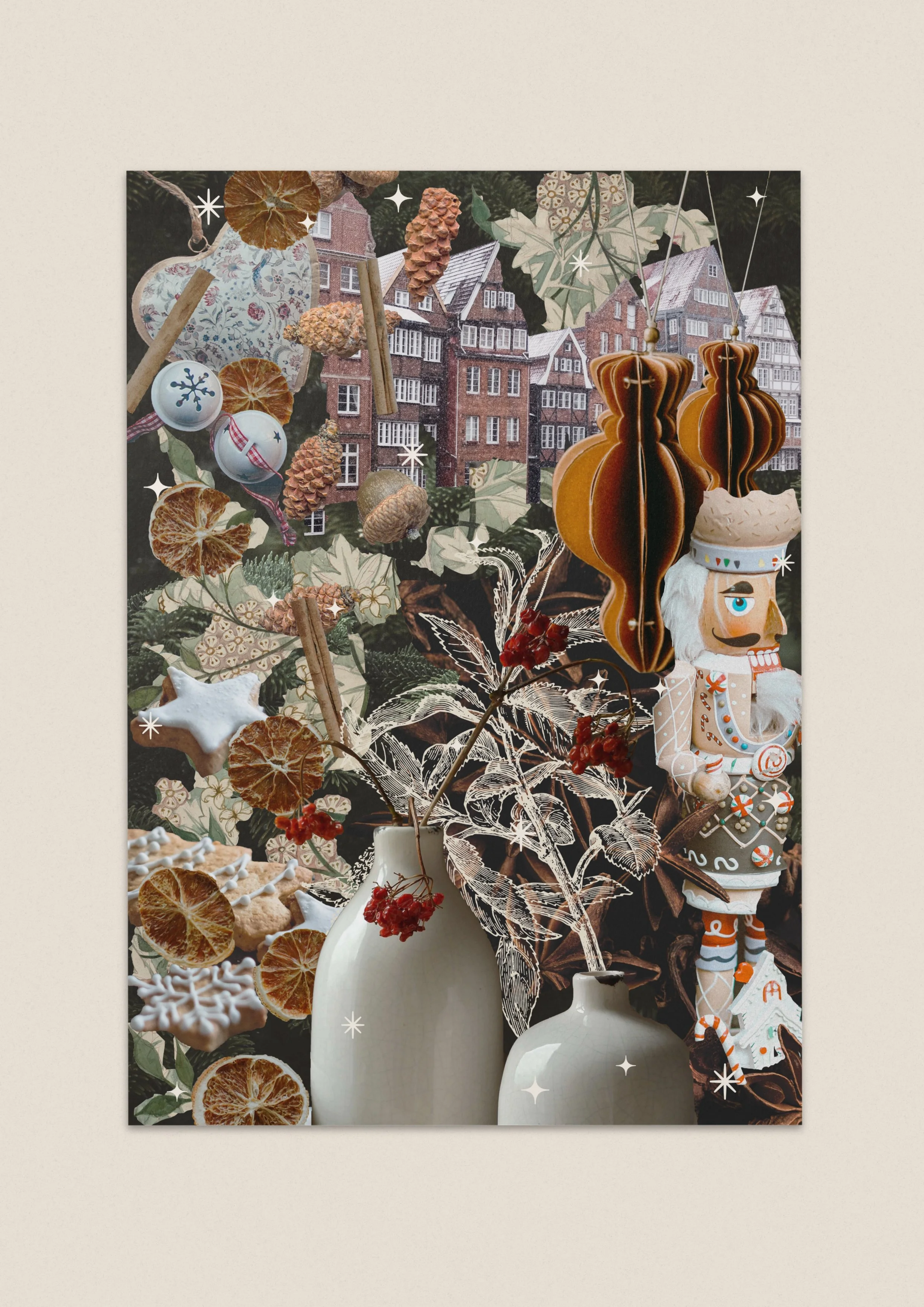 Image 2 of 2
DETAILS
SET
3 rolled sheets
A1 594 x 841 mm
A2 420 × 594 mm
A3 297 × 420 mm
SIZE
PAPER
100 g/m², uncoated offset
FINISH
Matte
PRINTED IN
Germany
-
FREE WORLDWIDE SHIPPING ON ALL ORDERS
Orders are usually shipped within 2–3 working days, and international shipping is available.
Please note that customers may be subject to customs duties in their respective countries, which are their responsibility.
You can also pay directly via TWINT.
You’re also welcome to pick up your order directly from the studio in Meilen. Important: Please call or text ahead to arrange a pickup time. This ensures I’m at the studio and have your order prepared.
-
Handle with clean, dry hands to keep the print looking its best. Store flat in a drawer or re-roll and secure with a ribbon, not with tape. Keep away from direct sunlight to preserve the colours over time.
Read more here
PAY WITH TWINT
Come out early, before the light does much. Snow changes what a garden sounds like. Footsteps go dull, the birds thin to a robin somewhere in the hedge, and a branch cracks as it lets go of its load. Everything else has stopped. Underfoot the path is set hard, ice white in the wheel ruts where the air was trapped, giving with a sound like thin glass.
The borders were left standing on purpose, and the frost has found every one of them. Seedheads on the phlomis, whorled up their stems like small clenched fists, each one furred white. Miscanthus arching over the path, holding its shape all winter, gone the colour of straw. Echinacea keeping its cones above the snow, brown and bristling, the last petals faded through to grey. Box clipped into globes, packed hard enough that the snow sits on top and does not sink in. Low in the bed the hellebore has come up, nodding, cream and green, the only thing here in flower.
At the turn of the path stands the eucalyptus, leaves round as coins and silvered along the edge. We take a short branch. Press one between finger and thumb and the oil comes up sharp and camphorous, the only strong scent in the whole garden.
Beyond it the apple tree, and in its crown the mistletoe, growing in a ball, leaves in pairs like small green paddles, forking and forking again on stems that never turn woody. Its berries come in at midwinter, the colour of milk. We cut a sprig from the branch, never the ground, the way the old healers did at the turning of the year.
Against the south wall, out of the wind, a magnolia holds one flower open in defiance of the month. Waxen, faintly of lemon, shut again by three. That comes with us as well.
Then the sun clears the hedge and the whole garden lights at once. Every stem and rimed leaf throws it back, and for a quarter of an hour the beds glitter as if scattered with grain. We gathered that too, in the gold sparkle running through the paper.
By then the cold has got through your gloves. Indoors the mint and lemon balm you left to draw before going out are finally ready. The flowers go into a vase on the sill, and the tea is poured, and outside the garden goes on glittering until the sun moves off it.
PAIRS WELL WITH
PAY WITH TWINT
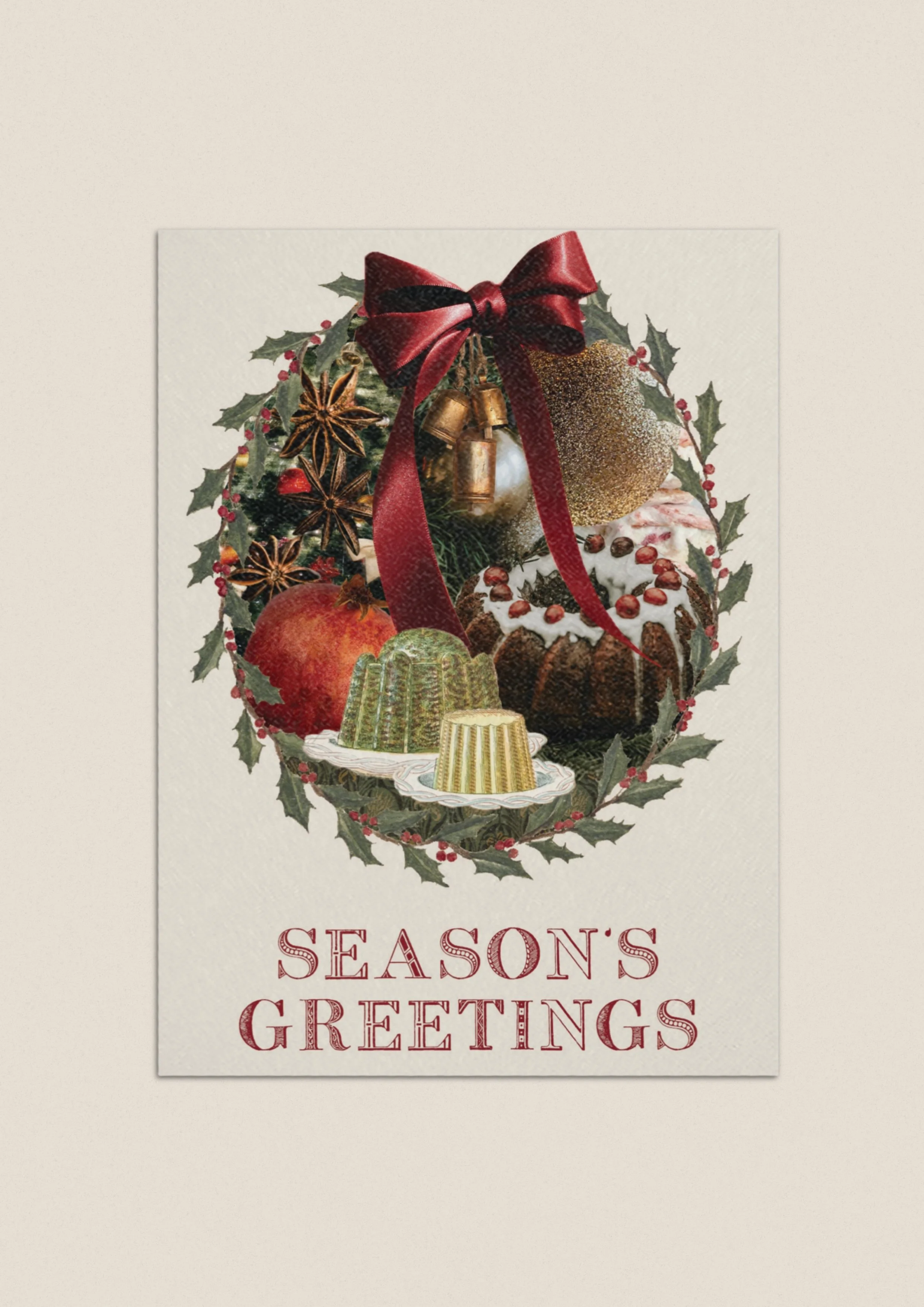
Come in and shut the door on the frost. The windows have clouded over, and the whole house smells of toasted almonds, cinnamon and dark chocolate.
We start before first light, with the cinnamon stars. Ground almonds, icing sugar and cinnamon gather into a soft, sticky dough, rolled out on a bed of sugar and cut into stars. Each one gets a cap of whipped egg white, smoothed to the points with the back of a spoon. They bake low and slow, so the tops stay white as frost on a gate while the centres turn chewy. Then the Basler Brunsli. Dark chocolate melts into almonds, a pinch of cloves, a splash of kirsch. We press the dough into hearts and clover leaves, leave them to dry overnight by the cold window, and slide them into a hot oven for only a few minutes. Crisp outside, fudgy within.
Out in the cold pantry, everything waits its turn. The jellies are setting: gooseberry and elderflower for the sage one, quince for the gold. Turned from old copper moulds, they shiver on lace edged plates as if someone has just walked past. On the slate shelf, spiced pears blush in their jars, cloves pinned into their skins. A pudding hangs in muslin from a hook, darkening by the week. In a willow basket on the floor, a pile of pomegranates waits its turn. Candied orange peel glistens in a tin, and the cookies wait in layers of parchment, ready for the table.
Then a pause, while the oven ticks as it cools. We sweep the crumbs into a palm, scrape the last curls of dough with the knife. Not a speck of sugar left.
Only then do we uncap the pen. Who comes to mind when the house smells like this?
Write it slowly. Seal it, stamp it, send it out into the cold. Long after the last star is gone, the words will keep, like the scent of cinnamon on your fingers.
PAY WITH TWINT
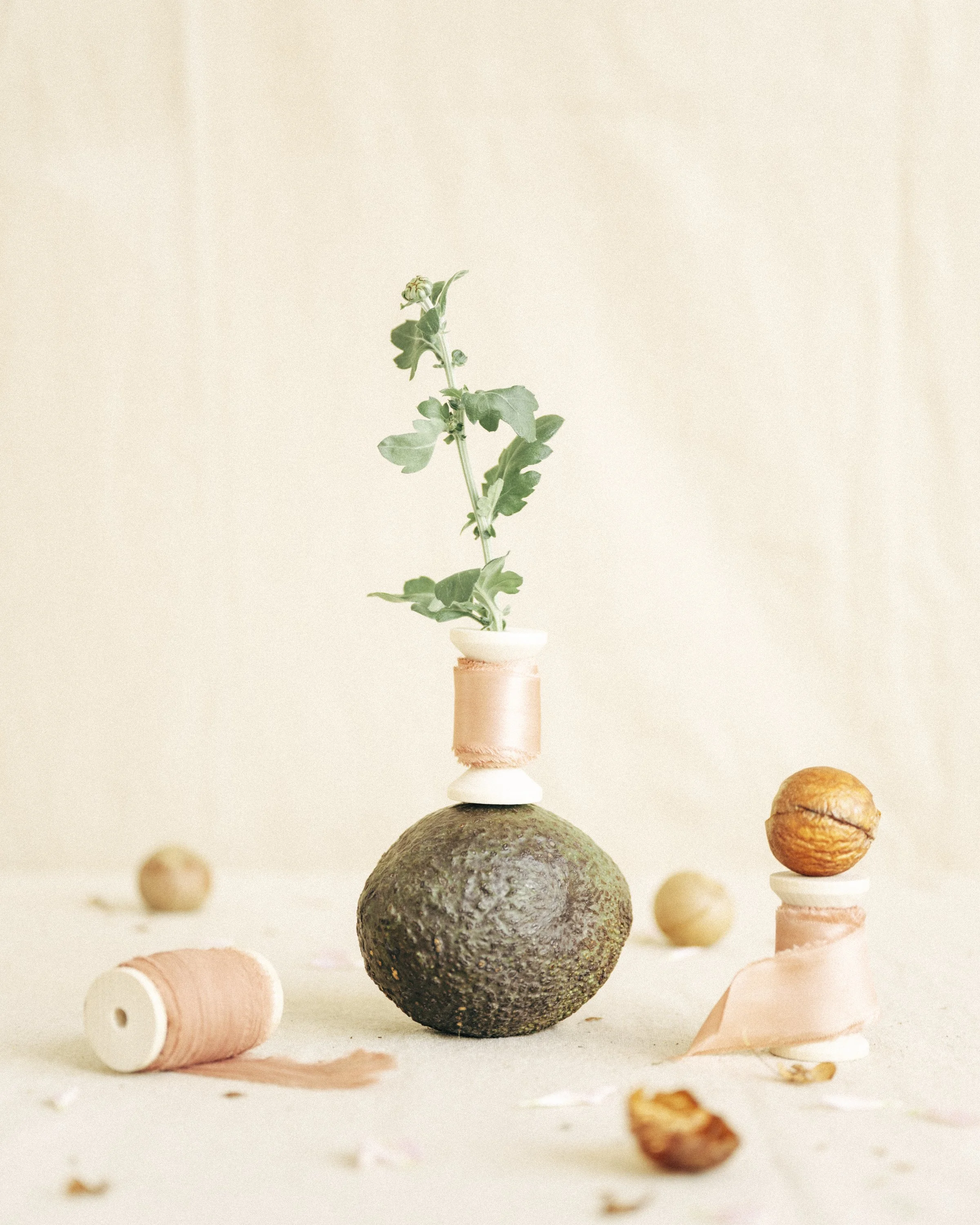
We went looking for a particular pink. Not the pink of sugared almonds, nor the loud flush of a peony, but something older. The pink of a rose pressed between the pages of a book.
So we began in the garden, in the last warm weeks of August. Rose petals first, gathered after rain and simmered until the kitchen smelled of jam. Once, the story goes, a rose was hung above the table, and whatever was said beneath it stayed secret. Ours kept their colour to themselves and gave us only a weak tea. Madder root, dug from the end of the bed, ran coral, far too bright. Then dark hollyhocks, and blackberries from the hedge. Each dye bath came close and slipped away, sliding into brown or cooling into lilac.
We found it, in the end, in the kitchen. Avocado skins from breakfast, dark and pebbled, the part usually thrown away. Simmered slowly, they give up their tannins, and the water darkens through rust to the red of mulberries. Lifted out and left to dry, the colour settles into an old, dusty pink. The pink we went looking for.
On the windowsill, the stone from that same breakfast sits in a glass of water. It has split along its middle, and a pale root is feeling its way down. Keep it watered, and one day, years from now, it may flower.