
 Image 1 of 3
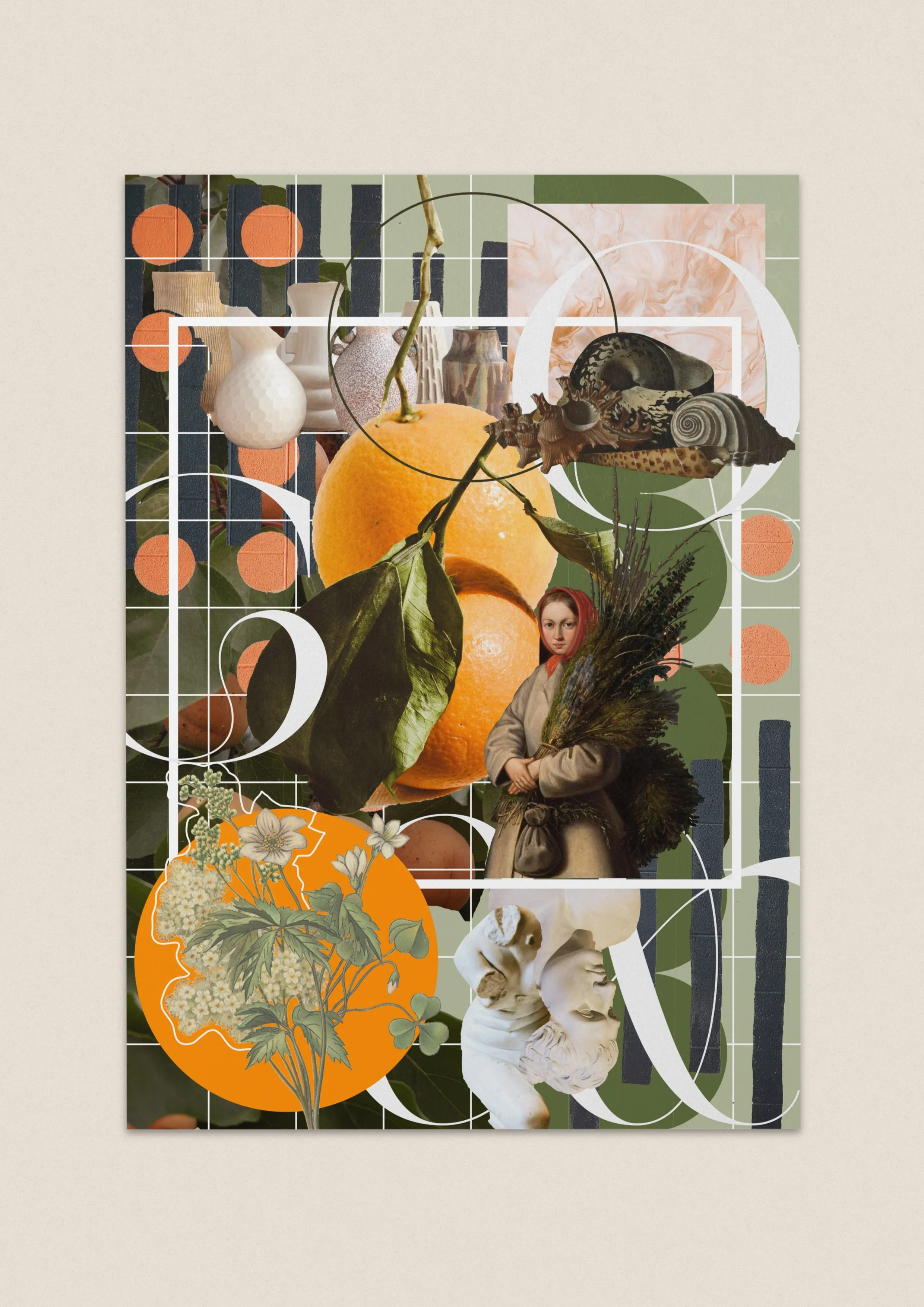 Image 2 of 3
 Image 3 of 3
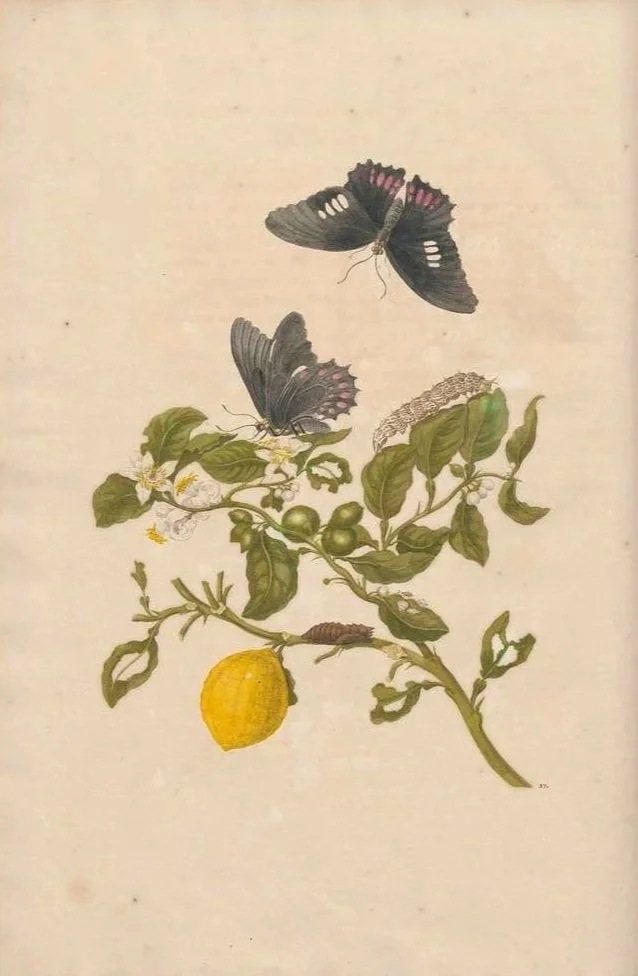
Maria Sibylla Merian - Metamorphosis
DETAILS
SET
3 rolled sheets
A1 594 x 841 mm
A2 420 × 594 mm
A3 297 × 420 mm
SIZE
PAPER
100 g/m², uncoated offset
FINISH
Matte
PRINTED IN
Germany
-
FREE WORLDWIDE SHIPPING ON ALL ORDERS
Orders are usually shipped within 2–3 working days, and international shipping is available.
Please note that customers may be subject to customs duties in their respective countries, which are their responsibility.
You can also pay directly via TWINT.
You’re also welcome to pick up your order directly from the studio in Meilen. Important: Please call or text ahead to arrange a pickup time. This ensures I’m at the studio and have your order prepared.
-
Handle with clean, dry hands to keep the print looking its best. Store flat in a drawer or re-roll and secure with a ribbon, not with tape. Keep away from direct sunlight to preserve the colours over time.
Read more here
PAY WITH TWINT
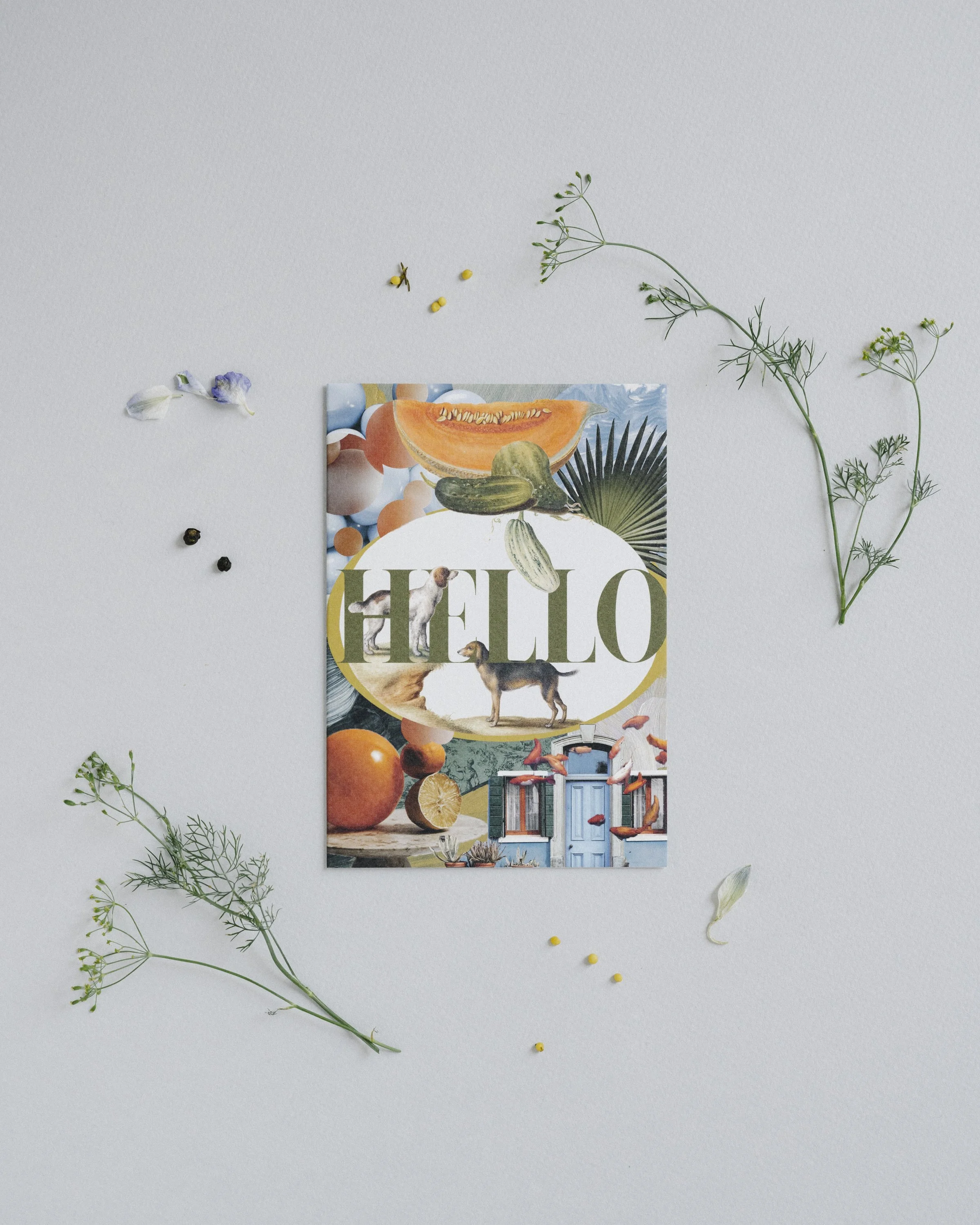
When we started looking for a way into this card, we kept coming back to the word hello. It is younger than you might expect. Only about 150 years old, invented for the telephone, a practical solution for a new and awkward device. Nobody knew what to say, so someone decided. Hello.
What interests us is how much it can carry. The hello shouted across a car park. The one that arrives after years of silence. The one said quietly to a new colleague on their first morning, before anything between you exists yet. One word, doing completely different work each time.
A hello doesn't need to be glamorous. Cleopatra ate pickled cucumbers daily, convinced they were the source of her beauty and her strength. Not roses, not gold, not anything particularly glamorous. A cucumber. It is simply the most unlikely thing to put on a greeting card. Nobody chose it for beauty or symbolism. It is just ... there. A bit awkward. A bit odd. Completely unbothered about being on a greeting card.
Not only did she love pickled cucumbers, we like to think she had dogs too.
There is an old belief that the souls closest to us find each other again. Not always as humans. Sometimes as something else entirely. These two knew each other once, in another life, as something other than a spaniel and a hound. And that one ordinary day, on an ordinary walk, they turned a corner and there the other one was.
Just: hello.
PAIRS WELL WITH

PAY WITH TWINT
For most of human history, birthdays belonged only to kings and saints. Ordinary people were born, grew older, and said nothing particular about it. Most didn't even know their exact date. It wasn't recorded, wasn't kept. It wasn't until the industrial revolution that birth dates began to be written down for everyone. And once written down, they could be celebrated.
The candles came much earlier. In ancient Greece, people brought honey cakes to the temple of Artemis, goddess of the moon, the hunt, and of childbirth itself. The cakes were called amphiphon, meaning shining on both sides. Round like the moon, with candles placed all around the edge. It was not just a wish. It was a thank you. For the birth itself.
We kept the candles. We kept the wishes. We added the gifts. And somewhere along the way, we added the gift tag.
It is the last thing you do. The gift is chosen, wrapped, ribboned. And then you sit down with a small piece of paper and a pen and try to find the right words. Not many. There is no space for many. Just enough to say what you mean, in the handwriting that the other person will recognise before they have even read it.
It arrives first. Before the gift itself. The smallest part of the whole gesture. Written last, read first.
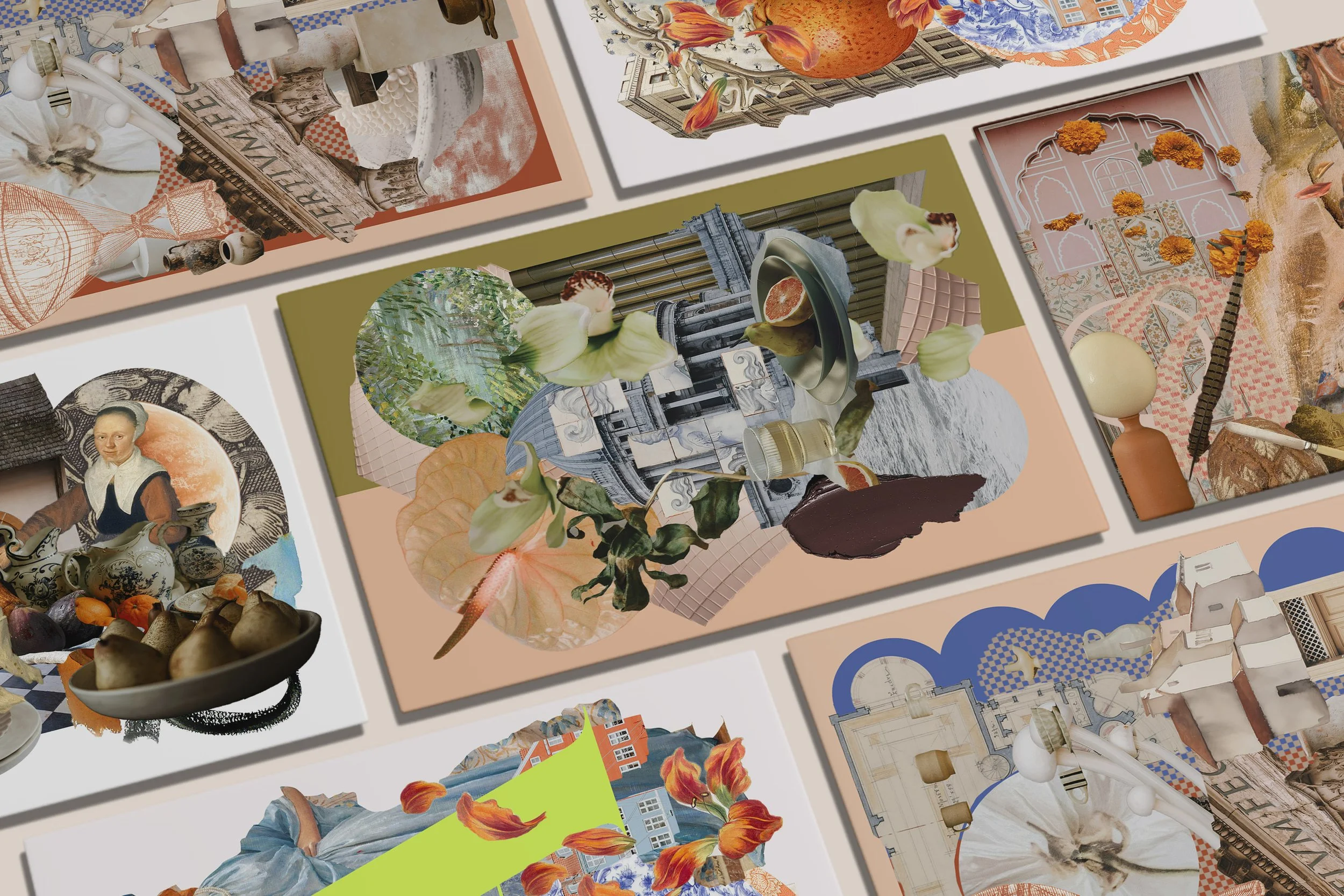
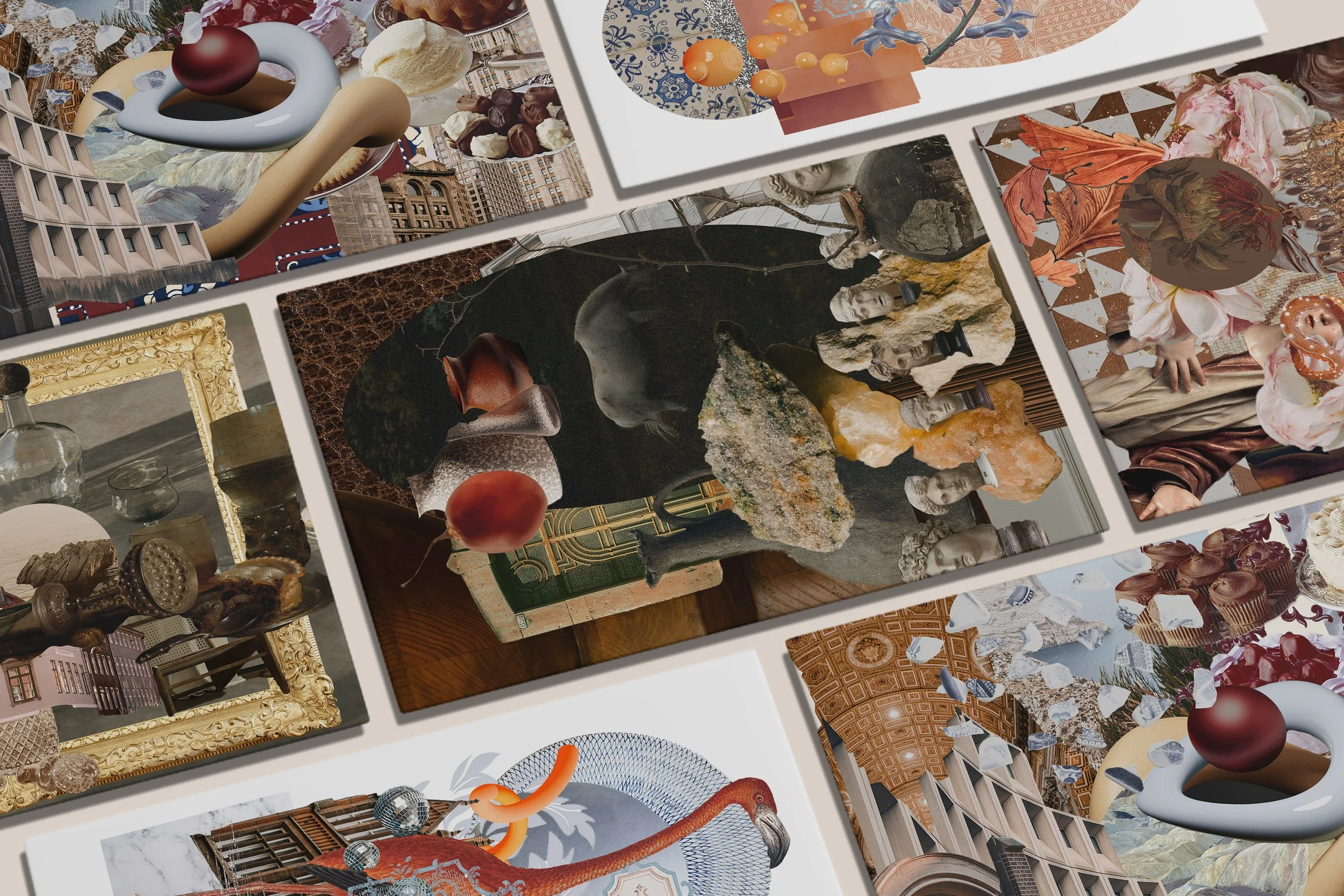
Five postcards, endless possibilities. Send a spontaneous hello, a note of gratitude, or a small surprise — no occasion required. Each card adds a touch of charm and joy, whether mailed or tucked into a wrapped gift.
Select a single design to receive 5 identical cards, or enjoy variety with the Mixed Summer or Mixed Winter sets.
Details
– Set of 5 postcards
– A6 size
– Printed in full colour on premium paper, 400gsm
– Uncoated finish with a soft, tactile texture
– Blank on the reverse
– Made in the UK
– FSC® certified, recyclable, sustainably sourced, and chlorine-free