
THE ANCIENT CRAFT OF PLANT DYEING
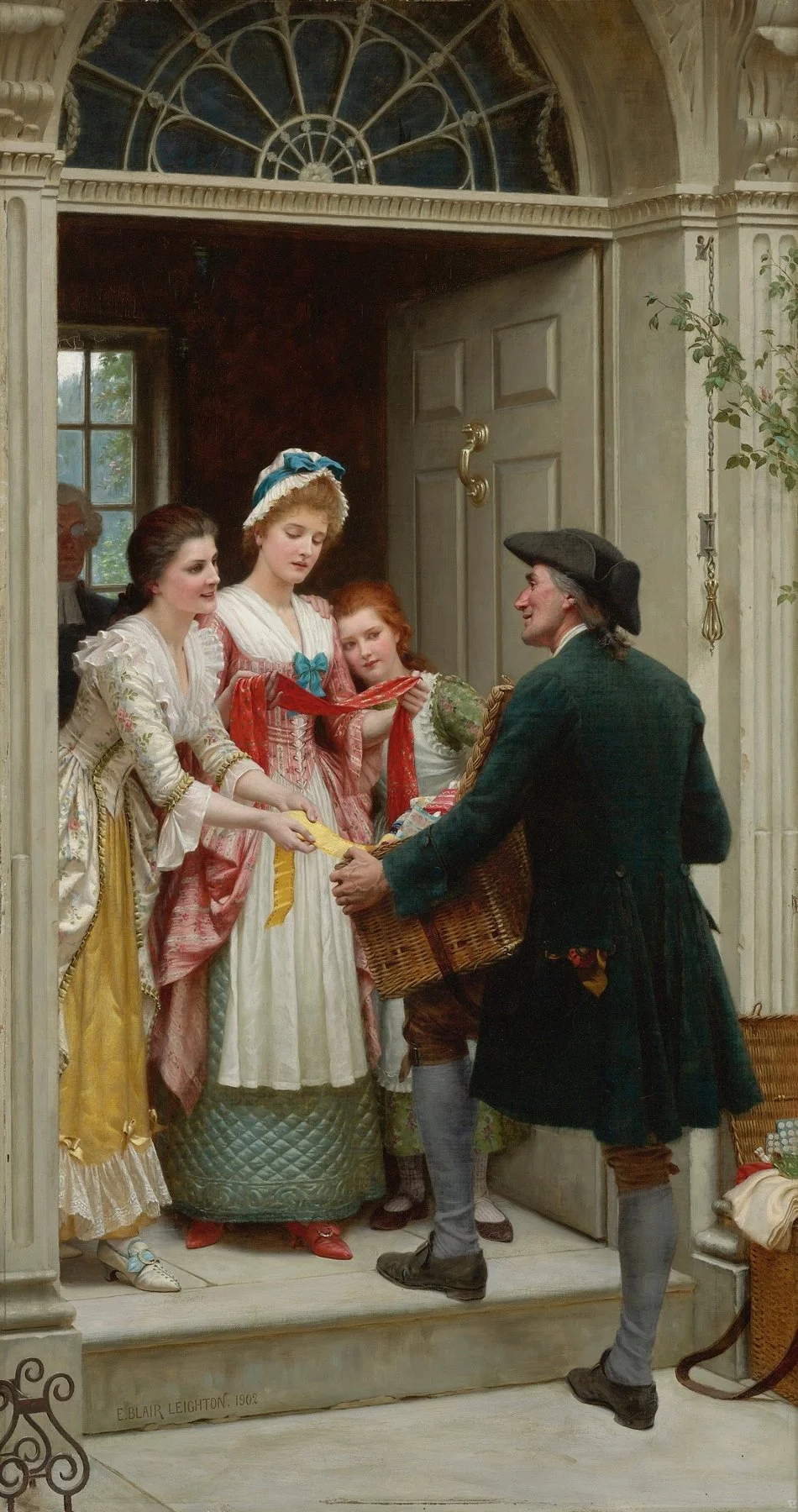
When Empress Leizu discovered the first silk thread when a cocoon fell into her cup of tea, she began wondering how to give colour to the ethereal white fabric she invented.
According to a Chinese legend, the Empress was once walking along the banks of the Yellow River when she noticed a woman weeping over a basket of stained garments. The woman explained that she was washing a bunch of madder roots in boiling water when she accidentally dropped her hemp clothes into the pot. Her clothes were now painted scarlet red. Empress Leizu realised at that very moment that plants held the secret to dyeing her silk fabrics.
The fable of how the Chinese craft of colouring was invented is one of many. Plant dyeing is an ancient craft dating back to the Neolithic period. Egyptian artisans used madder root for reds, woad for blues, and saffron for yellows. The Greeks and Romans created their bright yellows with weld, while the Persians also used pomegranate rinds for their golden-yellow hues.
Although garment producers have shifted towards industrial dyeing, plant dyes are still relevant. With silk in particular, plant pigments are absorbed deeply and rapidly. Silk and these natural dyes “magnetise” each other. Silk fibres are packed with amino acids that carry both positive and negative electrical charges. Because natural plant dye molecules also carry strong ionic charges, they form a powerful, permanent chemical bond.
Modern Plant Dyeing Materials and Methods
Today, common plant dyes include kitchen scraps, wild plants, and raw botanicals.
(01) Avocado skins and stones for soft, dusty pinks and deep rose hues.
(02) Onion skins for amber yellows or terracotta reds, depending on the variety.
(03) Pomegranate rinds for antique golds.
(04) Eucalyptus leaves for deep oranges and bronze hues.
(05) Bark for greys and charcoal black.
(06) Lichens and mushrooms for earthy ochre hues and deep forest greens.
(07) Woad for soft blues.
(08) Indigo for deep blue hues.
The methods can vary from easy at-home solutions to complex industrial production. Rolling, binding, and steaming are perhaps the most common steps for dyeing silk with plants, as they create a finish that resembles a watercolour painting. For deeper hues, the silk fabric is gently submerged in an iron vat and rinsed with mild vinegar bath to neutralise the pH and restore its softness.
With the intention of adding a beautiful finishing touch to your special gifts, Manuela Menzi Studio has released a curated collection of plant-dyed silk ribbons in different textures. You can tie them around a wrapped present, at the stem of a beautifully arranged bouquet, to your candlelabras, or to a strand of your hair.