
 Image 1 of 1
DETAILS
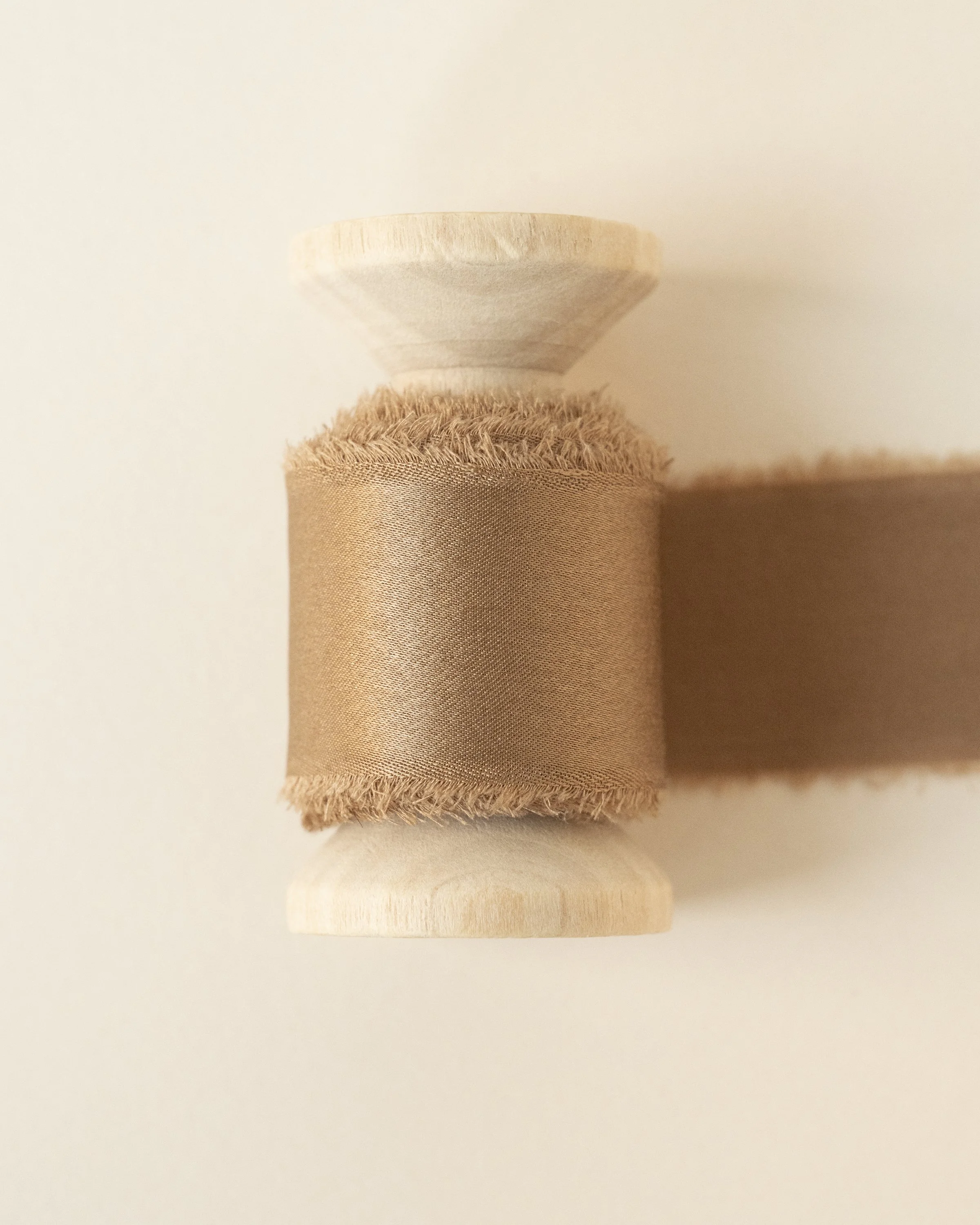
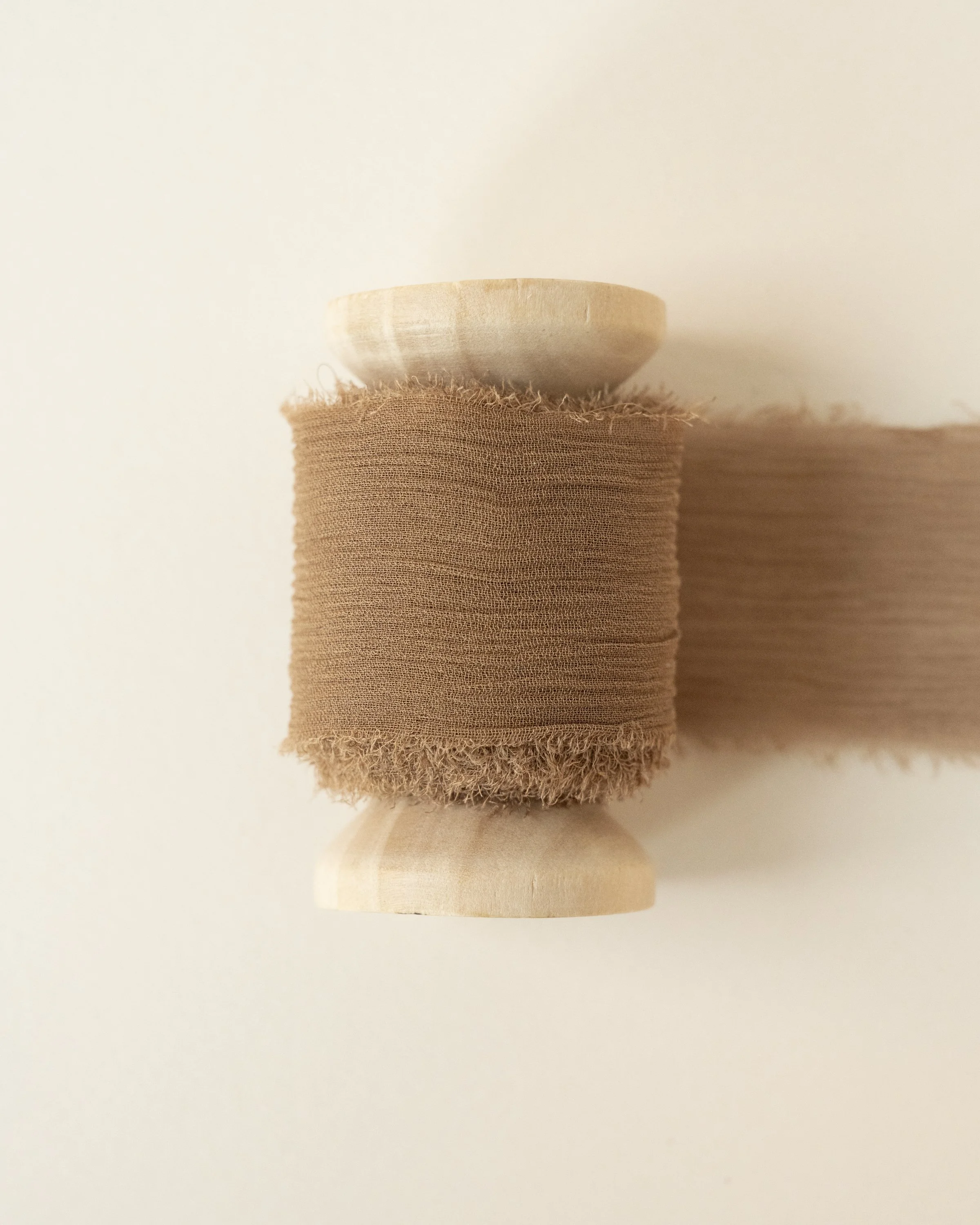
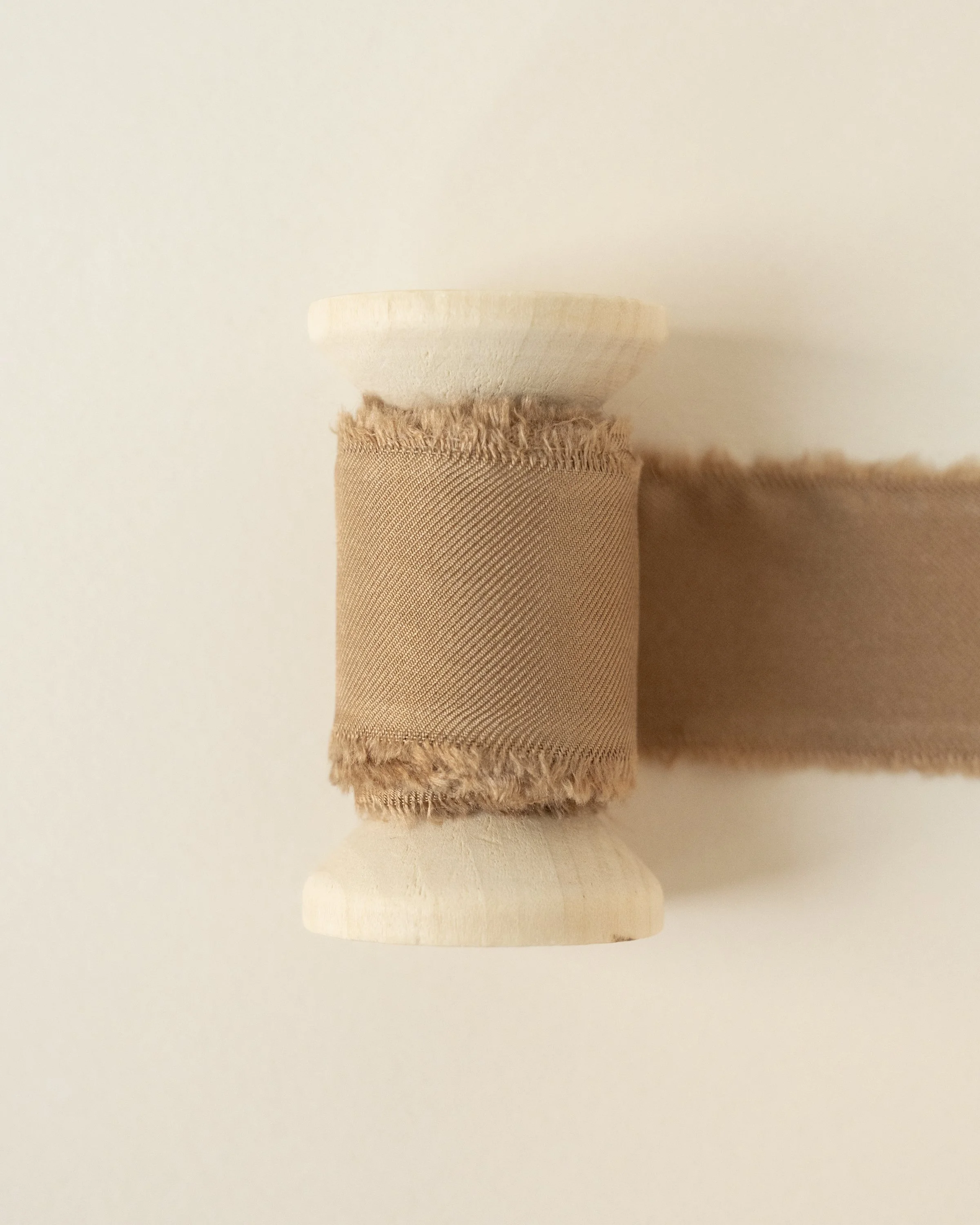
FABRIC
100% Silk
COLOUR
Golden Brown
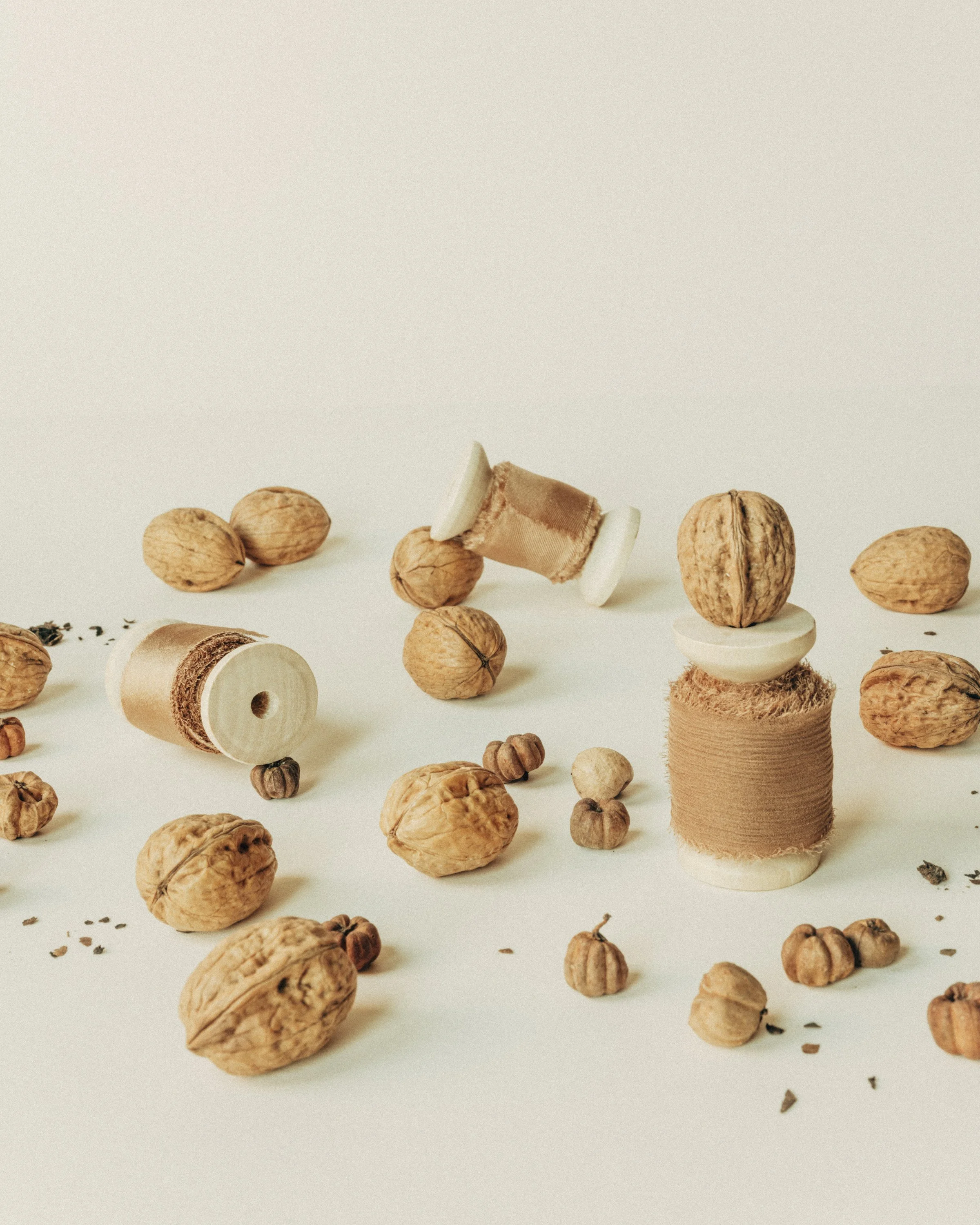
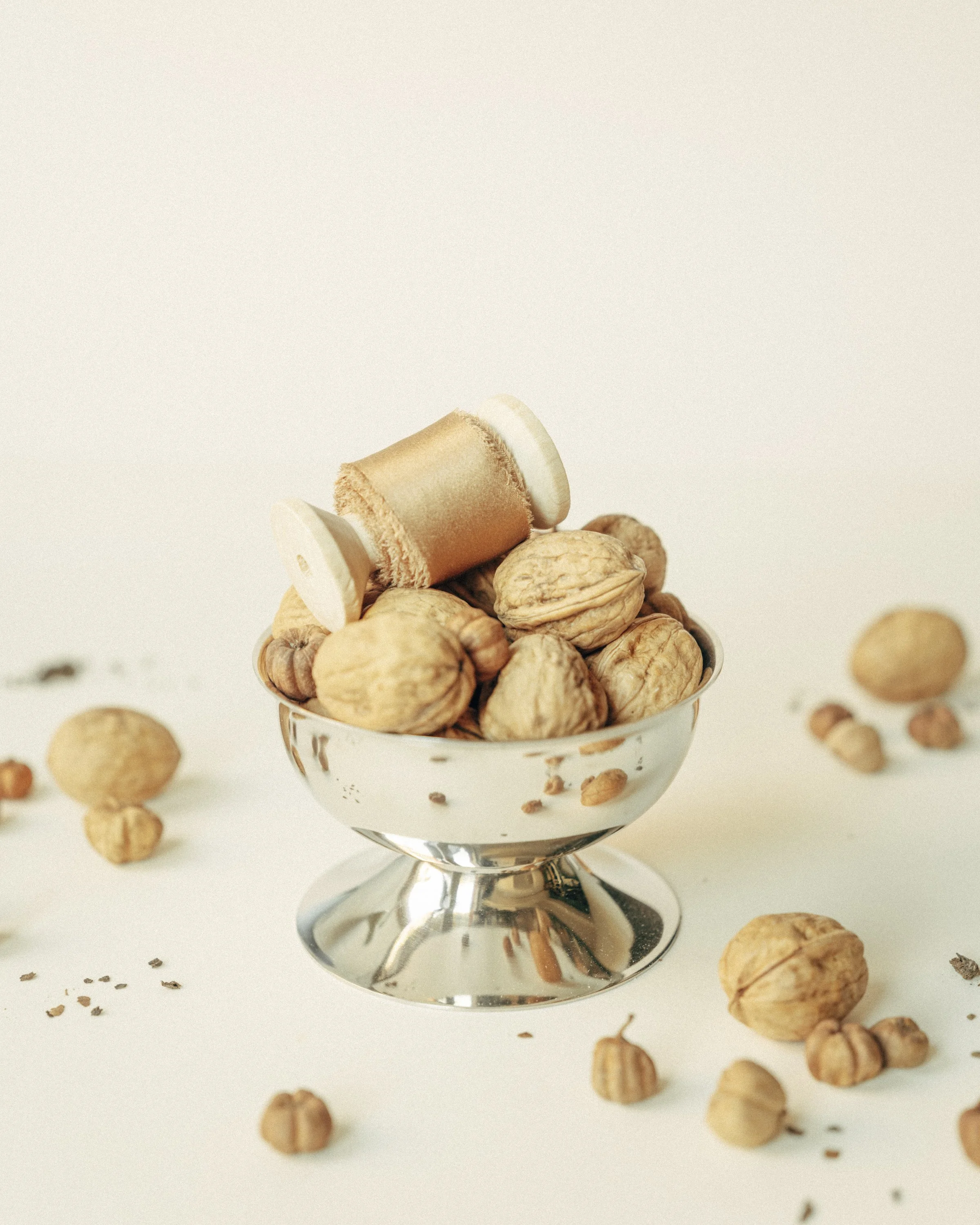
Naturally dyed with walnut shells.
Each pot gives a slightly different shade. Small marks and uneven patches are part of the process and make every ribbon one of a kind.
DYE
Around 3cm
WIDTH
LENGTH
Around 2.5m
EDGES
Hand torn, softly frayed
MADE IN
Switzerland
-
FREE WORLDWIDE SHIPPING ON ALL ORDERS
Orders are usually shipped within 2–3 working days, and international shipping is available.
Please note that customers may be subject to customs duties in their respective countries, which are their responsibility.
You can also pay directly via TWINT.
You’re also welcome to pick up your order directly from the studio in Meilen. Important: Please call or text ahead to arrange a pickup time. This ensures I’m at the studio and have your order prepared.
-
Hand wash only if needed, in cool water and lay flat to dry. Iron on a low silk setting through a cloth. Keep away from direct sunlight to preserve the colour over time. Trim loose threads rather than pulling them.
ABOUT THE SILK
-
![]()
Crepe Satin
One side glows with a soft sheen, the other is matte with a fine, grainy texture. It falls fluidly and ties into a bow that sits soft and full.
-
![]()
Crinkle
Light and airy, with a crinkled texture set into the fabric. It holds a little volume in every knot and never needs ironing.
-
![]()
Twill
Woven with fine diagonal lines, the same weave used for silk scarves. It is smooth and slightly crisp, and holds its shape beautifully in a bow.

PAY WITH TWINT
The air within the tiny greenhouse smelled of damp, peaty compost. Along the bench sat trays of seedlings and a row of jars, seed saved from last year and labelled in her own hand. Through the glass ceiling she could see the sky darkening. Heavy clouds gathered above her garden, and soon enough streaks of water raced down the panes, warping the apple orchard outside into a blur of greens and golds. The first rain of the autumn, arriving as it always did, a week later than she expected.
For over a decade she had been getting her hands dirty in this small patch of earth, the only place she ever owned. Her apple trees had gone past her height years ago, and their branches were shifting now in the wind. Wild greens, lavender and geraniums grew alongside the crops she planted herself. Turnips, carrots and small Berner Rosen filled the baskets on her kitchen counters each year. Nothing here grew in rows. The lavender had seeded itself into the carrot bed and the geraniums had followed, and she had let both of them stay.
The work was mostly deciding what to leave. She picked the apples she wanted and left the low branches to the wasps. Seed heads stood through the winter because the birds came for them. The turnips were lifted, the beds were turned, and the foxgloves were allowed exactly as much ground as they could take.
She remembered how her next-door neighbour once called her land "sweet chaos." Perhaps it was a hint for her to try to control the unstoppable spread of foxgloves and willowherbs. Perhaps it was about her own presence; her untamed hair, the dried lumps of soil crusting onto her sleeves, her jacket studded with sharp brown seed pods. She could never truly tell.
The rain thinned. Light came back through the panes, and she reached for the door with the seed pods still on her sleeve.
PAIRS WELL WITH
PAY WITH TWINT
When Mausolus of Caria died in 350 BC, his wife Artemisia II did not simply mourn him. After his cremation, she mixed his ashes into her daily drinks, making herself into a living tomb, carrying him inside her as she carried on ruling. And rule she did, under enormous pressure. Cities and islands across her domain refused to accept a female successor and revolted. Artemisia wore a crown in the storm, drawing on strategic brilliance to suppress the uprisings and hold her power together until her own death two years later.
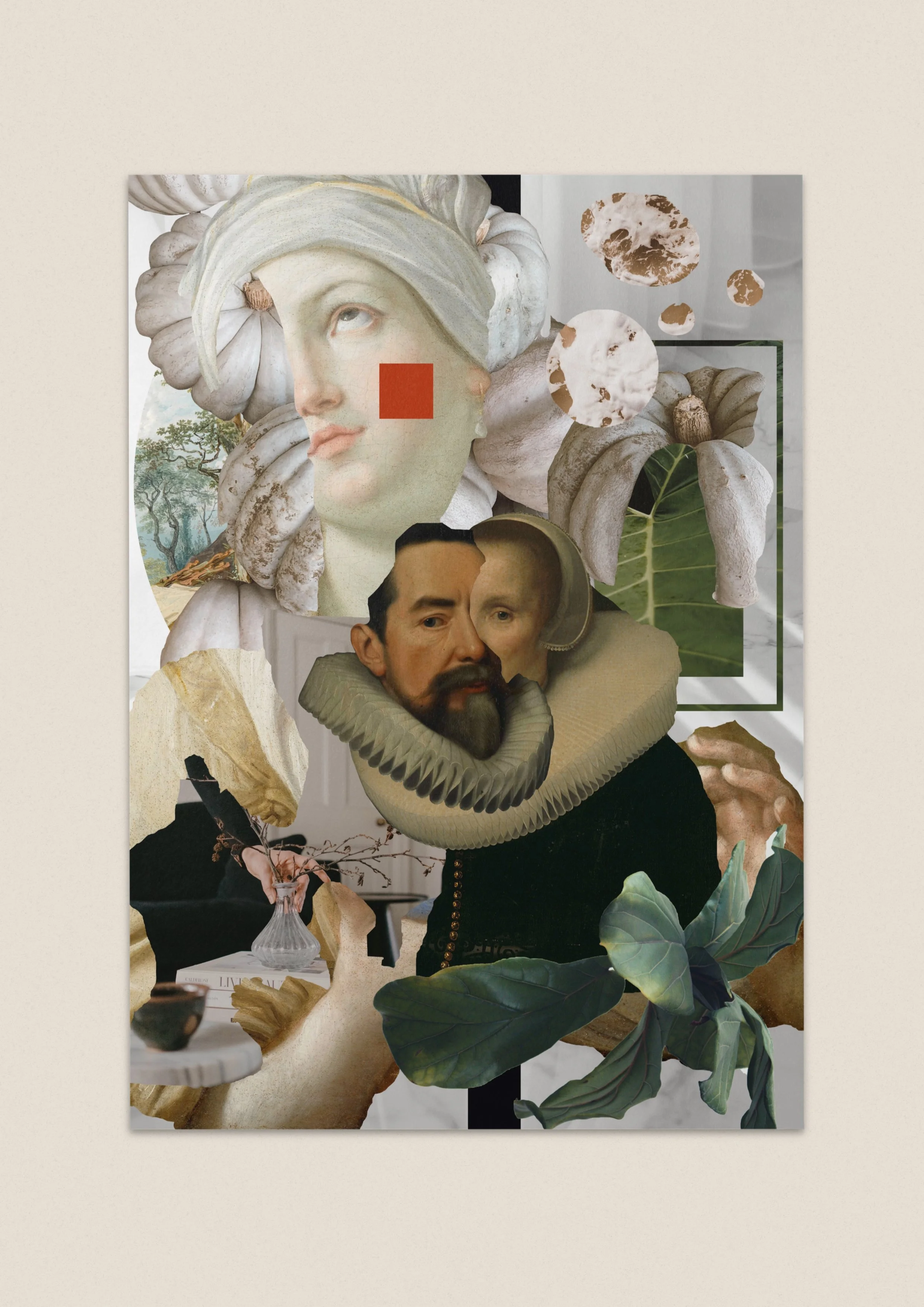
The widow's extraordinary grief and turbulent reign have inspired artists for centuries. At the heart of the wrapping paper collage "A Crown in the Storm" is Guido Reni's "Portrait of a Woman" (1638-1639), a Baroque masterpiece depicting Artemisia in a turban, cradling a Lapis Lazuli bowl containing her husband's remains. Her gaze tilts upward, torn between devotion and anguish, and it sets the emotional tone for the entire composition. Around her, further fragments of Baroque portraiture deepen the drama, while glimpses of Paul Sandby's "The River Severn at Shrewsbury" (1770) introduce a sense of turbulent, flowing time. Botanical elements, geometric shapes and layered textures complete the collage, echoing the tension between order and grief that defined Artemisia's reign.
Printed on premium paper designed to survive the unwrapping and be kept, "A Crown in the Storm" gives your gift two layers: what is inside, and the story wrapped around it.Because the way you wrap something says as much as what is inside.
PAY WITH TWINT
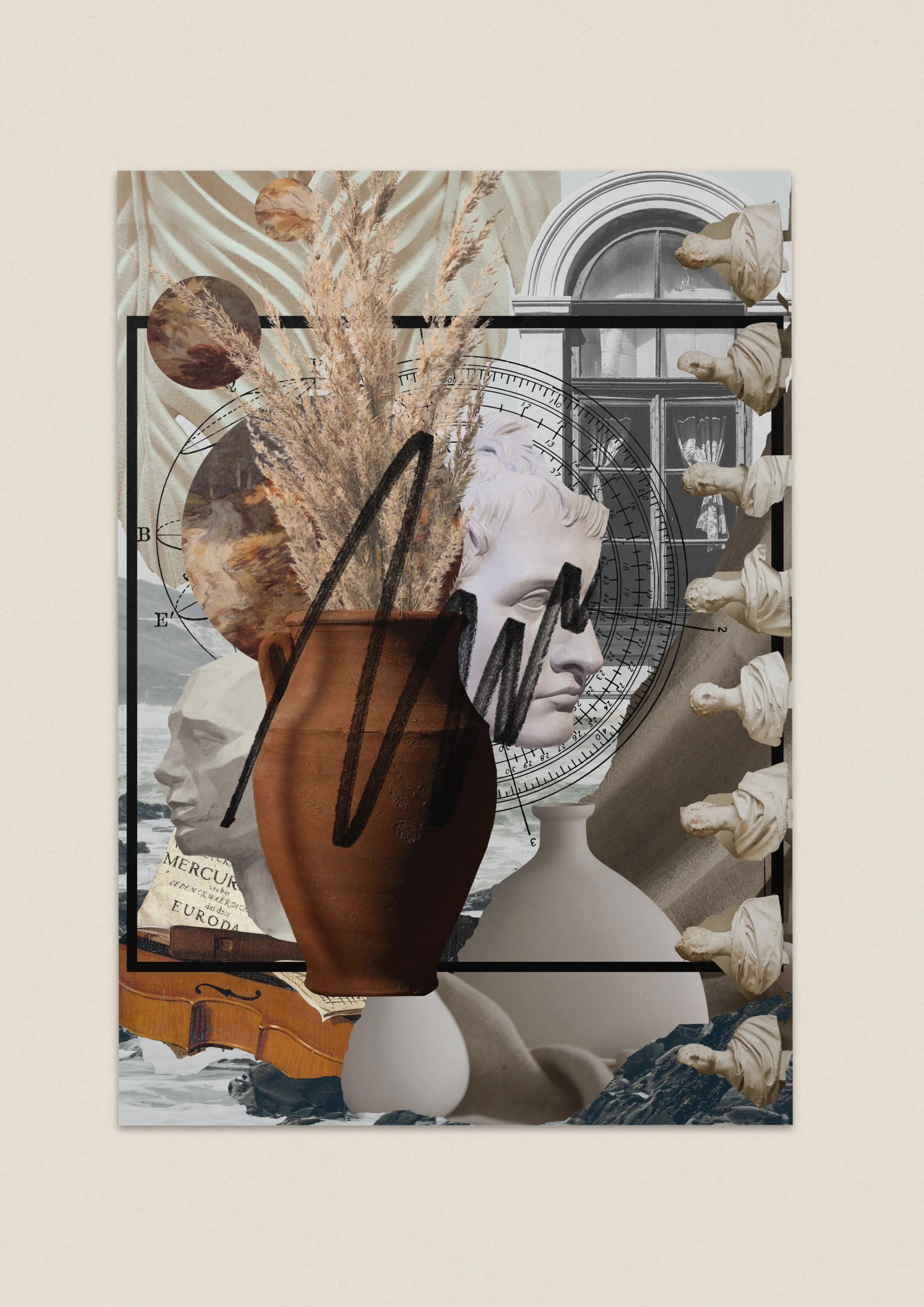
Winter arrives quietly at the old observatory. Frost creeps up the copper dome. By midnight it has dulled to silver under a hard white moon. She has kept this place for forty years, since the gears still turned smoothly and the telescope was the newest thing on the hill. For this wrapping paper we climbed up to find her there, still tending the same instruments, still watching for whatever the sky might show her next. A shooting star. A comet. A shape she hasn't charted yet. We call it "The Queen of Algorab," after the one she found and never stopped looking for.
She told us the story slowly, pausing to check a dial, to wipe frost from a lens. Every night she climbs the narrow stair, log book under one arm, and cranks the dome open to a seam of sky. The hinges complain, as they always have. Cold air pours in, carrying pine resin from the slope below.
One night, decades ago, fog swallowed every star she knew. She waited it out, sleeves pulled over her hands. Then a single gap opened directly above her. Through it, a shape she had never charted: a bird stretching its wings across the dark, one point at its edge burning steadier than the rest. An old colleague, visiting for the meteor shower, named it for her. Algorab, the crow's wing, a white star some eighty seven light years off, marking the corner of a small quadrilateral sailors once steered by. Its name comes from the Arabic for crow, older than the observatory, older than the hill itself.
She cannot see it all year. It climbs into view only as the coldest nights start to loosen their grip, low near the horizon before dawn, higher each week as the season turns. So she watches for it here, in this narrow stretch of winter, the way you might watch for one particular person in a crowd you know will thin eventually.
By morning the dome closes over a sky gone pale grey. She locks the door, leaves the key under the same stone as always, and walks down the hill. Somewhere above her, fading now, Algorab is already waiting for next winter to bring it back.