
“On one side was a table occupied by some chattering girls, cutting up silk and gold paper.”
What Jane Austen captures with this passage in Chapter 14 of “Persuasion” is the transition in gift-giving etiquette during the late Regency era. Craft paper or unwrapped gifts were no longer socially acceptable, especially within the circles of high society. They carried the “stain” of commerce. In the upper classes, being “in trade” was followed by a social stigma; the new wealthy people were a threat to the established social hierarchy.
At that time, commercial gift wrapping did not exist. If commissioning an artist for custom-made paper was not possible, it was time to hand-craft delicate paper corcucopias, decorative boxes, and ornate wrapping made of paper cutouts, just like a collage. The gifts were embellished with fresh flowers and silk ribbons, often plant-dyed at home. As no adhesive tape was available, the decorative paper was secured with wax; the hot droplets fell onto the seams, and the family crest stamp was pressed firmly upon them.
From the Regency Era to Victorian Ornate Gift Wrapping
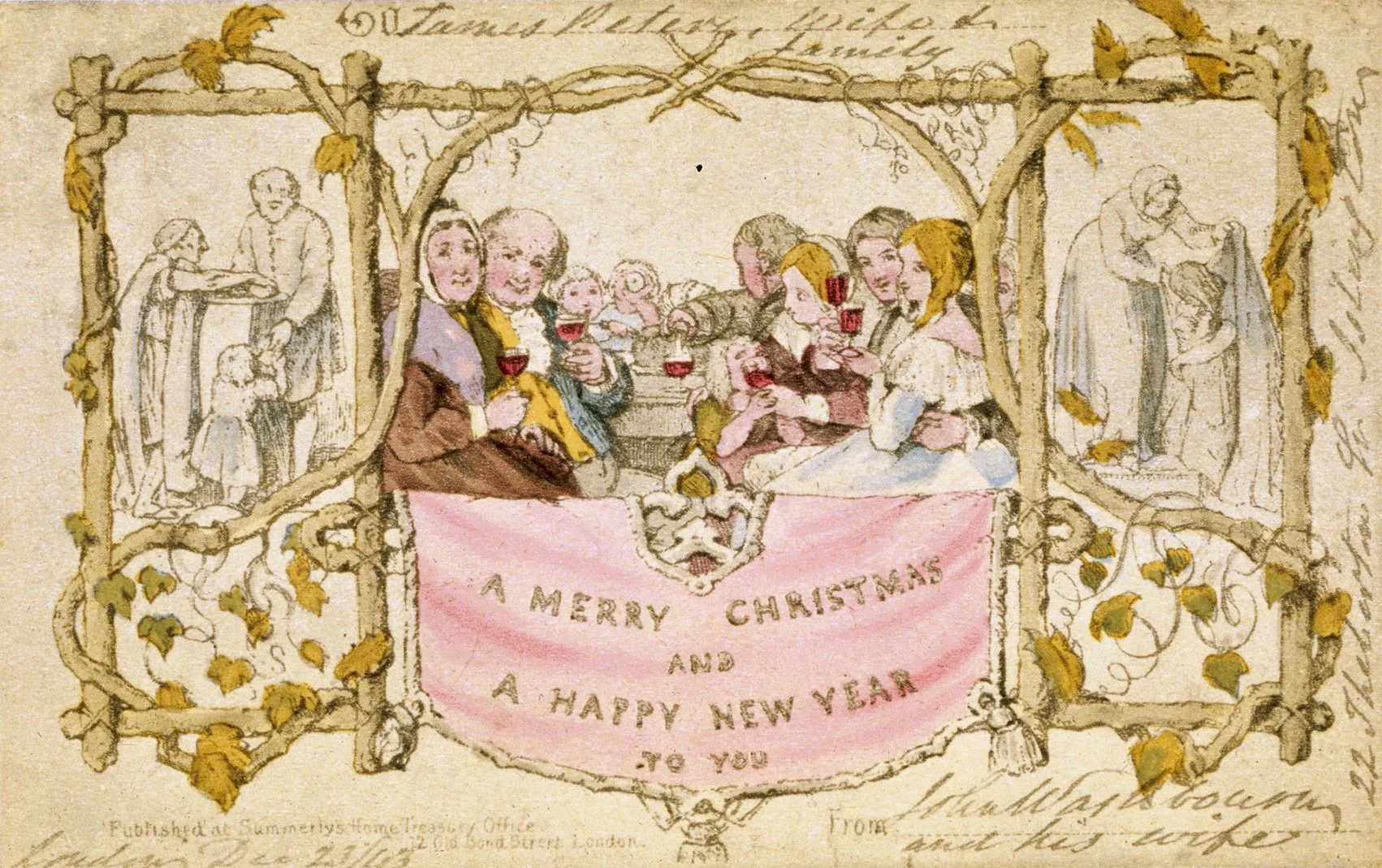
The Regency era habit of personalising gifts evolved into a ritual by the Victorians. Factories and workshops mass-produced a wide range of goods on an unprecedented scale. At the same time, an increasing number of people could afford little luxuries. Although it took a little longer for the invention of ornate wrapping paper, a wide range of gifting materials were now at the disposal of many households. The concept of Christmas cards was invented at that time.
When we think of a beautifully presented gift, we usually imagine a perfected Victorian one: heavy and textured paper covering a beautiful box, a silk ribbon woven into multi-looped bows, and a sprig tied right below. The Victorians had created detailed etiquette for gift exchanges. It was at that very time that the presentation was often as important, if not more, than the gift itself.
Victorian Gift Etiquette
(01) Discretion
To ward off curious eyes, the gifts were wrapped tightly and sealed with hot wax.
(02) Erasure of Cost
For the Victorians, a gift should not carry the “stain” of commerce. Price tags and store receipts were scraped, cut off, or erased.
(03) Personalisation
Victorians expressed their personal aesthetic, emotions, and intentions through gift presentation: the colour of the wrapping paper, the ribbons, and flower selection. A handwritten note was always expected, while personalised wax signet rings were often used to seal wrapped packages and envelopes.
(04) Re-gifting & “No Presents Received”
Surprisingly, re-gifting was not only common but socially acceptable. Gifts from acquaintances and distant friends were rarely expected, even for weddings. Some hosts even engraved “No presents received” on their wedding invitations to relieve pressure on guests.
(05) Perishable Goods
Men outside of family were limited to giving women perishable goods, such as flowers and candy, as they left no obligation, while clothes and jewellery in particular were seen as too intimate.
Made to Keep
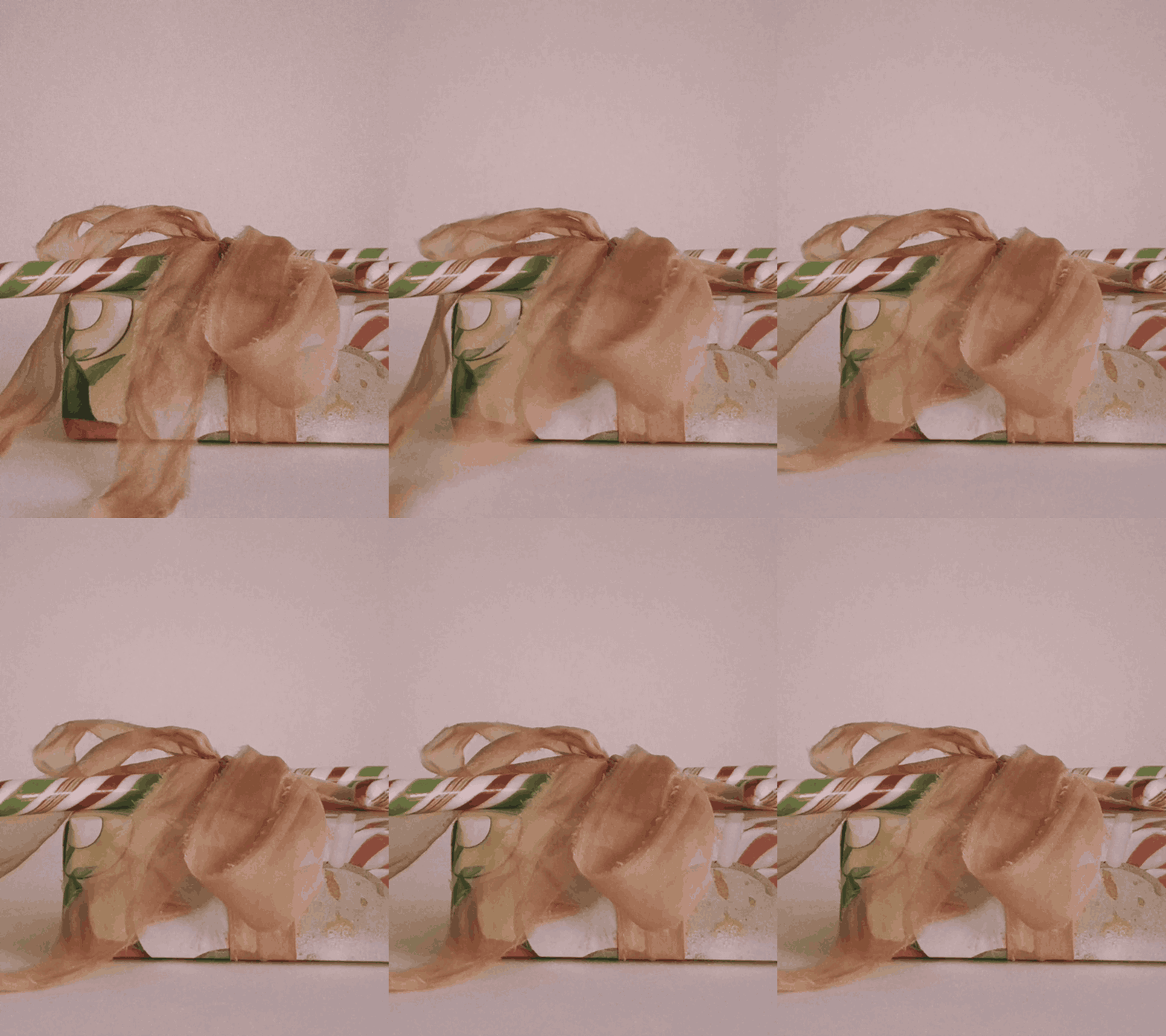
The Victorians sealed their gifts with wax and tied them with silk, so the wrapping told the person something before the box was open. The studio’s wrapping paper, silk ribbons and greeting cards follow the same idea: things you hold, send, and keep.